Lolicon

1970subculture termclassic

Published September 5, 2026

Lolicon, short for 'Lolita complex,' is a Japanese subcultural term for an attraction to fictional prepubescent girl characters called 'lolis,' most often depicted in anime, manga and doujinshi. Coined in 1970s Japan after Vladimir Nabokov's 1955 novel, the word later attached itself to an entire genre of self-published erotic manga and became one of the most heavily debated categories in otaku culture.

Overview

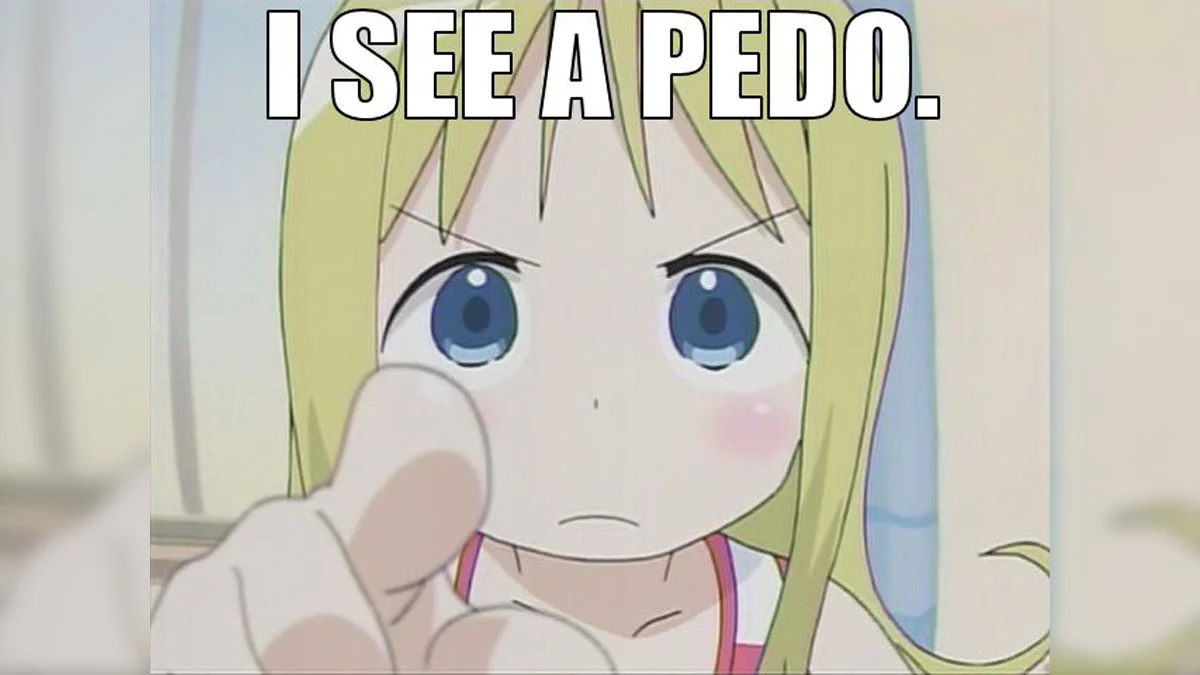
Lolicon works less like a single meme and more like a genre label inside Japanese fan culture. Fans and critics use it to describe a specific aesthetic in anime, manga and doujinshi built around cute, cartoonish girl characters drawn in an exaggerated 'two-dimensional' style, and the word is applied both to the material and to the people who seek it out3.

The term sits inside a broader otaku vocabulary that separates the flat, drawn world of characters (nijigen) from real people (sanjigen), a distinction Japanese critics have tracked since the early 1980s when commentators first accused manga fans of treating drawn characters as objects of desire2. Lolicon has a mirror term, shotacon, a portmanteau of 'Shotaro complex' that describes the same kind of attraction directed at fictional young boy characters3. Both labels carry heavy stigma in and outside Japan, and their legal status varies widely by country.

Origin & Background

Platform
Japanese print manga / doujinshi
Date
1970

The word 'lolicon' is a Japanese portmanteau of 'Lolita complex,' a phrase built off Vladimir Nabokov's 1955 novel Lolita, which the author finished writing on December 6, 19531. Japanese critics began using the phrase in the 1970s to talk about a specific pattern of attraction to young girl characters3.

By the early 1980s the label had migrated onto self-published manga, where doujinshi artists used it to describe erotic short stories starring young girl characters, cementing lolicon as a genre name rather than just a clinical term3. Academic accounts date the visible public debate about otaku desire for drawn characters to roughly the same window, around 1983, when critics began publicly charging that some manga and anime fans were treating fictional girls as real objects of desire2.

How It Spread

Outside Japan, awareness of the underlying 'Lolita complex' idea was shaped less by manga than by Western adaptations of Nabokov's novel. Stanley Kubrick's 1962 film Lolita, an adaptation of the book, drew wide attention and earned an Oscar nomination for Best Adapted Screenplay at the 35th Academy Awards, giving the phrase mainstream cultural weight in English long before anime fandom picked it up4.

As anime and manga went global in the 1990s and 2000s, English-speaking fans imported 'lolicon' wholesale, usually shortened in casual online use to 'loli' when referring to the character type. Urban Dictionary entries from the 2000s show the split that still shapes online usage: some define lolicon strictly as the Japanese term for a person attracted to young girl characters, while others flatten it into a blunt slur5. Academic writing on 'two-dimensional' desire, including work published through the University of Tokyo's manga and popular culture project, treats lolicon as a case study for how manga and anime fans developed a distinct language of attraction toward fiction itself2.

The term is still routinely invoked in online arguments about anime, censorship and platform moderation, and Know Your Meme keeps a reference entry documenting its portmanteau origin and shotacon counterpart3.

How to Use This Meme

'Lolicon' is typically used as a noun, either for the genre of manga and anime featuring young girl characters or for a person said to enjoy it, and it is almost always used pejoratively in English-language conversation. In casual fandom talk, 'loli' commonly refers to the character archetype itself, while 'lolicon' points to the fan or the material, though the two often get blurred online5.

Frequently Asked Questions