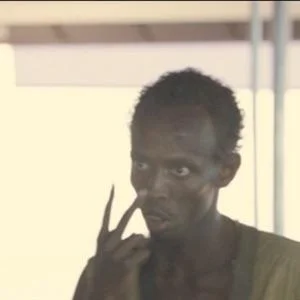
Look of Disapproval

2006Emoticon / reaction textclassic

Also known as: ಠ_ಠ · Look of Disapproval · LoD

ಠ_ಠ, known as the "Look of Disapproval," is a text-based emoticon built from the Kannada letter "ṭha" (ಠ) used to express disapproval, disappointment, or silent judgment in online conversations. The emoticon originated on the Japanese imageboard 2channel before spreading to 4chan around 2007 and gaining mainstream popularity on Reddit in 20091. It became one of the most recognizable Unicode emoticons of the late 2000s internet, bridging Eastern kaomoji traditions with Western meme culture.

Overview

The Look of Disapproval is a Unicode emoticon consisting of two Kannada "ṭha" characters (ಠ) separated by an underscore, creating the appearance of a face with furrowed brows staring in silent judgment. Unlike standard Western emoticons that require tilting your head sideways to read, ಠ_ಠ follows the Eastern kaomoji convention of being read face-on1. The character's round shape with an internal line naturally looks like a wide-open eye with a lowered brow, making it perfect for conveying wordless disapproval.

The emoticon is typically deployed as a standalone reaction, dropped into comment threads or chat conversations without additional text. Its power comes from brevity. Where a paragraph-long response might seem overwrought, a simple ಠ_ಠ delivers the exact right amount of "I'm judging you right now."

The Unicode character "ಠ" comes from Kannada, one of the major Dravidian languages of southern India influenced by Sanskrit3. Despite its South Asian linguistic roots, the character found its second life as an emoticon far from India.

According to Lurkmore Wiki, the earliest use of ಠ_ಠ as an emoticon began on 2channel, the massive Japanese textboard where kaomoji culture thrived3. The emoticon was crafted on the same principle as o_O (a look of surprise) but used a Unicode character that more closely resembles an eye with an eyebrow3. From 2channel, it migrated to English-language imageboards. Google search data shows interest beginning around mid-2006, with an early instance found on the ChristianAnimeAlliance website3.

Origin & Background

Platform
2channel (origin), 4chan (English-language spread)
Creator
Unknown
Date
2006–2007

The Unicode character "ಠ" comes from Kannada, one of the major Dravidian languages of southern India influenced by Sanskrit3. Despite its South Asian linguistic roots, the character found its second life as an emoticon far from India.

According to Lurkmore Wiki, the earliest use of ಠ_ಠ as an emoticon began on 2channel, the massive Japanese textboard where kaomoji culture thrived3. The emoticon was crafted on the same principle as o_O (a look of surprise) but used a Unicode character that more closely resembles an eye with an eyebrow3. From 2channel, it migrated to English-language imageboards. Google search data shows interest beginning around mid-2006, with an early instance found on the ChristianAnimeAlliance website3.

How It Spread

The earliest known mention of ಠ_ಠ on 4chan appeared in a /b/ thread titled "epic fail guygravity," archived on May 31st, 20073. Usage grew steadily across the board throughout that year. By October 2007, someone posted a question on Yahoo Answers asking how to type the character sequence3.

The first Urban Dictionary entry landed on July 13th, 2008, describing it simply as "a silly little face"2. At that point, it hadn't yet locked into its specific meaning. The "disapproval" association solidified in April 2009, largely thanks to Reddit3.

On Reddit, the novelty account "look_of_disapproval" became a minor celebrity by posting nothing but ಠ_ಠ in response to questionable content, consistently earning high comment karma3. The account's timing and deadpan consistency helped cement the emoticon's identity as the internet's go-to expression of wordless judgment.

The Wiktionary entry for ಠ_ಠ was submitted on July 25th, 2009, formally describing it as an emoticon built on the same principle as o_O3. By September 2011, the Facebook page for ಠ_ಠ had collected over 13,000 likes3.

The emoticon spawned multiple input shortcuts. On OS X, users could summon it with Option + 0CA0, while Windows XP users could type ALT + 32323. These shortcuts helped spread its usage beyond people willing to hunt through Unicode tables.

Platforms

RedditTwitterTikTokInstagram

Timeline

2008

Look of Disapproval first appears online

2008

Gains traction on social media

2009

Reaches peak popularity

2010-01-01

Look of Disapproval reached mainstream popularity and media coverage

2011-01-01

Brands and companies started using Look of Disapproval in marketing

2013-01-01

Look of Disapproval entered the broader pop culture conversation

2025-01-01

Look of Disapproval is still actively used and shared across platforms

View on Google Trends

How to Use This Meme

The Look of Disapproval works best as a minimal, standalone reaction. Common usage patterns:

- Solo drop: Post ಠ_ಠ by itself in response to something questionable. No additional commentary needed. - Conversational judgment: Use it mid-conversation when someone says something that deserves silent disapproval, similar to how you'd use "are you kidding me?"3. - Stacking: Some users repeat the emoticon multiple times (ಠ_ಠ ಠ_ಠ ಠ_ಠ) for emphasis2.

The emoticon typically appears in comment threads, chat messages, and forum replies. It works on any platform that supports Unicode rendering. Copy-paste is the most common input method, though keyboard shortcuts exist for some operating systems3.

Create Your Own

Cultural Impact

The Look of Disapproval carved out a unique space in internet communication as one of the few Unicode emoticons to develop a specific, widely understood meaning independent of any image or video. While most memes of the late 2000s relied on image macros or video clips, ಠ_ಠ achieved the same expressive power with just three characters.

The emoticon's success on Reddit through the "look_of_disapproval" novelty account helped establish a template for single-purpose bot-like accounts that became a hallmark of Reddit culture3. It also demonstrated that Eastern-style kaomoji could thrive in English-speaking internet spaces, paving the way for other Unicode emoticons like ¯\\\_(ツ)\_/¯ to gain traction.

A photoshopped variant using a Reuters photo of politician Tom DeLay (taken after his 2005 indictment) appeared as early as November 12th, 2006, on a LastFM 4chan forum thread, predating the emoticon's mainstream spread3.

Fun Facts

The Kannada letter ಠ (ṭha) is a legitimate character in one of India's oldest languages, with no inherent connection to facial expressions. Its repurposing as an internet emoticon is entirely accidental3.

The emoticon's meaning shifted over time. Its first Urban Dictionary definition in 2008 called it "a silly little face," with the "disapproval" meaning not solidifying until nearly a year later2.

The Reddit novelty account "look_of_disapproval" never posted anything except ಠ_ಠ and consistently earned high karma for it, proving that sometimes less really is more3.

Eastern-style emoticons like ಠ_ಠ are read horizontally (face-on), unlike Western emoticons like:) that require mentally rotating the text 90 degrees1.

Derivatives & Variations

ಠ‿ಠ

— Creepy smile variant, swapping the underscore for a curved mouth to suggest unsettling cheerfulness[3].

ಠ╭╮ಠ

— Sad or crying variant, adding a downturned mouth[3].

Tom DeLay photoshop

— An image macro overlaying the ಠ_ಠ eyes onto a Reuters photo of the disgraced Republican leader, first posted in November 2006[3].

Double-width variant (ಠ__ಠ)

— Uses a wider gap between the eyes for a more exaggerated expression, common in early 4chan usage[3].

Questionable disapproval (ಠ_ಠ?)

— Adds a question mark to blend confusion with disapproval, expressing uncertainty about whether to be offended[2].

Frequently Asked Questions