Neon Genesis Evangelion

1995anime fandom / reaction and edit sourceclassic

Published September 8, 2026

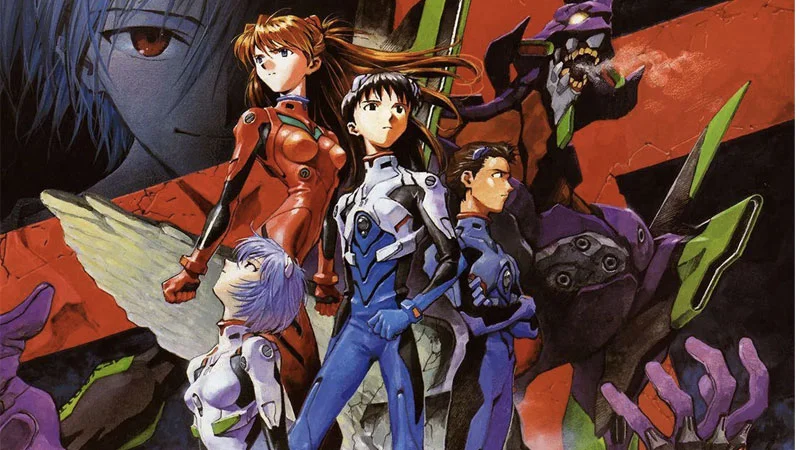
Neon Genesis Evangelion is a 1995 Japanese mecha anime by Hideaki Anno and Studio Gainax about teenage pilots fighting alien Angels in giant biomechs1. Its bleak psychology, cryptic finale and iconic imagery turned it into one of the most quoted, edited and argued-about anime online, spawning decades of AMVs, forum wars and fandom slang that still circulate today3.

Overview

Neon Genesis Evangelion is a 26-episode anime that aired on TV Tokyo from October 1995 to March 1996, directed by Hideaki Anno and produced by Studio Gainax and Tatsunoko3. The plot follows 14-year-old Shinji Ikari, drafted by the paramilitary group NERV to pilot the biomech Evangelion Unit-01 against enigmatic invaders called Angels, alongside co-pilots Rei Ayanami and Asuka Langley Soryu2. Critics later framed the show as both an apex of mecha anime and a bleak study of depression and isolation, which is a big reason it keeps getting rediscovered online1.

As a meme source, Evangelion feeds a steady stream of reaction images, screencaps and AMVs rather than one single template. Shinji's crying face, Asuka's plugsuit poses, Gendo's steepled-fingers pose and the show's red-on-black title cards are recycled endlessly as shorthand for teenage despair, smug superiority or ominous foreshadowing2. The final two episodes' abstract collage of scribbled text and Shinji's inner monologue also gave the fandom the term Gainax Ending, later applied to any anime that wraps up with confusing symbolism instead of plot5.

Origin & Background

Platform
TV Tokyo (broadcast) / Netflix (2019 viral rerelease)
Creator
Hideaki Anno
Date
1995

Neon Genesis Evangelion was created by Hideaki Anno and animated by Studio Gainax and Tatsunoko Productions, co-produced by TV Tokyo and Nihon Ad Systems, and ran from October 1995 to March 19963. The series was followed in 1997 by two theatrical films, Neon Genesis Evangelion: Death & Rebirth and The End of Evangelion, the latter offering a companion take on the divisive TV finale3. Anno later founded Studio Khara and revisited the story in the Rebuild of Evangelion film tetralogy, released between 2007 and the concluding fourth film in 20212.

Online fandom infrastructure formed alongside the show's Western VHS and DVD runs, with the community site EvaGeeks positioning itself as the successor to the older Evangelion Commentary Project and archiving over a decade of fan analysis2. That deep well of screencaps, essays and translation debates is what most Evangelion meme edits and jokes still pull from.

How It Spread

Evangelion's meme footprint grew through AMVs, image boards and dedicated fan hubs. The Gendowned edit, in which NERV commander Gendo Ikari shoots someone down to AC/DC's For Those About to Rock, debuted in the fan compilation AMV Hell 2: Son of AMV Hell and became a running gag reused across YouTube uploads3. Long-running fansite Eva Monkey and multiple wikis, along with heavy Evangelion threads on 4chan's /a/ and /m/ boards, kept the show in constant meme circulation years after its broadcast run3.

The series returned to mass attention on November 26, 2018, when Netflix's YouTube channel posted the trailer for its global streaming rerelease, pulling more than 219,000 views and 2,100 comments within 24 hours3. When the show hit Netflix in 2019, discourse pivoted to the new English dub, and Mashable reported on fan anger that Kaworu's confession to Shinji had been softened from I love you to I like you, which fans called straightwashing of a queer subplot4. The dub fight produced its own wave of side-by-side subtitle memes and video essays, giving the show a second life in millennial and Gen Z timelines4.

How to Use This Meme

Evangelion material is typically used as reaction fodder: a Shinji screencap for emotional collapse, a Gendo pose for smug scheming, an Asuka glare for annoyance, or the red block-text title cards edited over unrelated footage for ominous effect2. The term Gainax Ending is often used in comments to mock any confusing or symbolism-heavy finale, not just Evangelion's own5.

Frequently Asked Questions