Waifu
Published March 10, 2026 · Updated March 17, 2026
Also known as: Mai Waifu · My Waifu
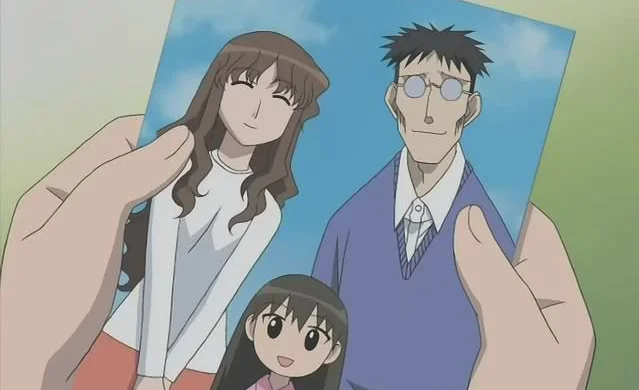
"Waifu" is an otaku slang term derived from the Japanese pronunciation of the English word "wife," used by anime, manga, and video game fans to describe a fictional female character they feel romantic attachment toward. The term originated from a scene in the 2002 anime *Azumanga Daioh* and spread through 4chan's /a/ board during the mid-to-late 2000s before becoming one of the most widely recognized pieces of internet fandom vocabulary. Its male counterpart is "husbando."
Overview
In anime and manga fan communities, declaring a character as your "waifu" means singling out one fictional woman as your ideal romantic partner. The term goes beyond just picking a favorite character. Where "best girl" is a casual ranking, "waifu" implies a deeper, more personal connection9. Fans treat the distinction seriously enough that community norms developed around it: having multiple waifus at once is considered disloyal, and "your waifu is trash" became a standard insult in fandom debates9.
The word itself is a loanword loop. English "wife" entered Japanese as the katakana ワイフ (*waifu*), then re-entered English-speaking internet culture with an entirely new meaning5. Native Japanese speakers don't actually use *waifu* for their real wives. The standard Japanese word for wife is 妻 (*tsuma*)5. The online version is strictly fandom vocabulary.
Gallery
Origin & Background
How It Spread
How to Use This Meme
Waifu culture follows a few common conventions:
Declaring your waifu: Pick a fictional female character you feel a strong connection to, whether from anime, manga, video games, or other media. Post about her on social media, forums, or Discord servers. The traditional format is simply stating "[Character name] is my waifu."
The one-waifu norm: Most communities expect you to commit to a single waifu. Having multiple at once is typically frowned upon, though some fans maintain "tiered" lists with one primary waifu and secondary favorites9.
Waifu wars: Fans often debate whose waifu is superior. The classic comeback is "your waifu is trash." These arguments range from playful to genuinely heated.
Dinner with Waifu: Set up a meal in front of a screen or body pillow displaying your waifu's image and photograph the scene. This tradition is most common during holidays like Christmas Eve or Valentine's Day3.
Casual vs. serious use: The term works at any intensity level. Saying "she's my waifu" can mean anything from "I think this character is great" to a deep emotional commitment8.
Cultural Impact
Full History
Fun Facts
The Japanese word ワイフ (*waifu*) existed before the meme as an actual borrowed English word some Japanese speakers used for "wife," but it was never common in everyday Japanese. The standard term is 妻 (*tsuma*)5.
Google search data shows "waifu" queries started a full year before "mai waifu" queries, suggesting some fans adopted the term without knowing its *Azumanga Daioh* origin3.
The phrase "waifu for laifu" (waifu for life) became community shorthand for serious commitment to a single character9.
A small qualitative study of Indonesian university students found that waifu/husbando enthusiasts perceived social stigma, mostly overlapping with broader prejudice against anime fans in general4.
The *Azumanga Daioh* manga that spawned the term was the first yonkoma (four-panel) manga ever translated into French6.
Derivatives & Variations
Husbando (male equivalent)
A variation of Waifu
(2014)Best Girl/Best Guy discussions
A variation of Waifu
(2014)Character attachment communities
A variation of Waifu
(2014)Frequently Asked Questions
References (14)
- 1/a/ - The LURKMORE Wikiarticle
- 2Mai Waifu - Oh Internetarticle
- 3
- 4Waifu - Know Your Memeencyclopedia
- 5Waifuencyclopedia
- 6Waifu - Urban Dictionarydictionary
- 7Azumanga Daiohencyclopedia
- 8
- 9waifu | Tumblrarticle
- 10
- 11
- 12
- 13waifu | Tumblrarticle
- 14