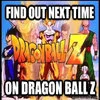
Next Time On Dragon Ball Z

1996Catchphrase / reaction formatclassic

Also known as: Find Out Next Time on Dragon Ball Z · Next Time on DBZ

Next Time On Dragon Ball Z is a 1996 meme derived from the English dub narrator's episode-ending narration, popular for mocking the show's notoriously glacial pacing and repetitive cliffhangers.

"Next Time on Dragon Ball Z" is a catchphrase spoken by the narrator at the end of each episode of the English-dubbed *Dragon Ball Z*, promising answers to cliffhanger questions in the following episode. The line became a running joke among fans due to the show's famously slow pacing and repetitive episode structure, and it spread online as a meme format used to mock drawn-out storytelling or tease absurd non-sequiturs.

TL;DR

"Next Time on Dragon Ball Z" is a catchphrase spoken by the narrator at the end of each episode of the English-dubbed *Dragon Ball Z*, promising answers to cliffhanger questions in the following episode.

Overview

In the Funimation English dub of *Dragon Ball Z*, the narrator closes each episode's next-episode preview by posing dramatic questions about unresolved plot points, then delivering the signature line: "Find out next time on Dragon Ball Z!" The formula is rigid: rhetorical questions stacked on top of each other, followed by the promise that everything will be answered next week2. It rarely was.

The joke writes itself. *Dragon Ball Z* is a show where a single fight can stretch across ten or more episodes, power-up sequences eat entire runtimes, and characters stare each other down for minutes at a time3. The narrator's breathless hype at the end of every episode, promising resolution that almost never came in the next installment, turned the catchphrase into a punchline about the gap between dramatic buildup and actual payoff.

*Dragon Ball Z* originally aired in Japan on Fuji TV from April 1989 to January 19961. The show follows Son Goku and his allies as they defend Earth against increasingly powerful villains across multiple saga arcs1. When Funimation produced the English dub for Western audiences, the in-house adaptation added the narrator's signature sign-off to each episode's next-time preview segment2. The Funimation dub always ended its next-episode previews with "Find out next time on Dragon Ball Z!"2.

Kyle Hebert voiced the English narrator, delivering the line with the kind of dramatic intensity that made it impossible to forget. The format followed a strict pattern: the narrator would raise several questions about the current cliffhanger, each more urgent-sounding than the last, before wrapping up with the catchphrase. As the show gained a massive following in the West through Cartoon Network's Toonami block in the late 1990s and early 2000s, the line became one of the most recognizable phrases in anime dubbing history.

Origin & Background

Platform
Television (Funimation DBZ English dub), YouTube (meme spread)
Key People
Kyle Hebert, Funimation
Date
1996 (Funimation English dub)

*Dragon Ball Z* originally aired in Japan on Fuji TV from April 1989 to January 1996. The show follows Son Goku and his allies as they defend Earth against increasingly powerful villains across multiple saga arcs. When Funimation produced the English dub for Western audiences, the in-house adaptation added the narrator's signature sign-off to each episode's next-time preview segment. The Funimation dub always ended its next-episode previews with "Find out next time on Dragon Ball Z!".

Kyle Hebert voiced the English narrator, delivering the line with the kind of dramatic intensity that made it impossible to forget. The format followed a strict pattern: the narrator would raise several questions about the current cliffhanger, each more urgent-sounding than the last, before wrapping up with the catchphrase. As the show gained a massive following in the West through Cartoon Network's Toonami block in the late 1990s and early 2000s, the line became one of the most recognizable phrases in anime dubbing history.

How It Spread

The catchphrase picked up meme traction on YouTube in the late 2000s. On October 28, 2007, YouTube user japester uploaded a video featuring Kyle Hebert himself reading a joke script that spoofed the infamous amount of filler in a typical *Dragon Ball Z* episode. The video leaned into the exact frustration fans had with the show's pacing, using the narrator's own voice to mock the format he made famous.

The *Dragon Ball Z Abridged* series by TeamFourStar gave the meme another major boost. The fan-made parody series, which compressed entire sagas into short comedy episodes, regularly twisted the narrator's sign-off for comedic effect. In one well-known bit, the narrator poses his standard dramatic questions, then immediately answers them all himself before cutting to the end card. The gag perfectly captures why the original line is so funny: the questions are always treated as mysteries when the answers are usually obvious or irrelevant.

The "Find Out Next Time" format also earned its own entry on TV Tropes, where *Dragon Ball Z* is cited as one of the most prominent examples of the broader narrative trope. The trope page notes that the convention dates back far earlier than anime, appearing in Chinese novels like *Water Margin* (14th century) and *Journey to the West*, as well as American film serials from the 1930s and 1940s. But it's the DBZ version that people remember, because no other show committed to the bit with such earnest repetition across hundreds of episodes.

Online, the catchphrase evolved into a versatile reaction format. Users apply it to any situation involving unnecessary suspense, drawn-out storytelling, or anticlimactic reveals. It shows up in comment sections when someone tells a long story without a payoff, in video edits that cut to black at awkward moments, and in memes about serialized media that refuse to resolve their plot threads.

How to Use This Meme

The "Next Time on Dragon Ball Z" format typically follows a few patterns:

1

The cliffhanger parody: Set up an absurdly mundane situation (waiting for a microwave, loading a webpage) as if it's a life-or-death crisis, then add "Find out next time on Dragon Ball Z!" as a dramatic closer.

2

The filler joke: Describe an event that should take seconds but somehow fills an entire episode, then promise resolution "next time."

3

The narrator voice: Record or type out a series of increasingly dramatic rhetorical questions about a trivial situation, mimicking the narrator's breathless delivery style.

4

The instant answer: Ask dramatic questions in the narrator's style, then immediately answer them all (as TeamFourStar popularized), deflating the suspense on purpose.

Cultural Impact

The catchphrase is deeply embedded in anime fan culture and general internet humor. Kyle Hebert's willingness to engage with the joke, including performing comedy readings that poke fun at the show's pacing, helped keep it alive well beyond the show's original run.

*Dragon Ball Z* itself became one of the most widely broadcast anime series in history, airing in at least 81 countries. The show spawned multiple sequel and remake series, including *Dragon Ball Z Kai*, *Dragon Ball GT*, *Dragon Ball Super*, and *Dragon Ball Daima*. Through all of these follow-ups and the broader franchise's continued relevance, the "Next Time" sign-off stayed lodged in the collective memory of anyone who watched the Funimation dub.

The "Find Out Next Time" trope also influenced how other anime dubs handled their episode transitions, with shows like the English dubs of *Digimon Adventure*, *Digimon Adventure 02*, *Digimon Tamers*, and *Digimon Frontier* adopting similar narrator-driven cliffhanger outros.

Fun Facts

The "Find Out Next Time" narrative device predates television entirely. The 14th-century Chinese novel *Water Margin* used the same cliffhanger-and-promise structure at the end of each chapter.

The 1960s *Batman* TV series used a similar formula: "How will Batman survive? Find out tomorrow, same bat-time, same bat-channel!"

*Dragon Ball Z* episodes in the Japanese original didn't use the same catchphrase format. The iconic English line was a Funimation addition to the dub.

The *Muppet Show* parodied the trope decades before DBZ, with the "Pigs in Space" segments ending with lines like "Tune in next week to miss last week's episode!"

Derivatives & Variations

TeamFourStar's DBZ Abridged parodies:

The fan parody series regularly subverted the narrator's sign-off, most notably by having the narrator answer his own questions immediately or pose intentionally absurd ones[2].

Kyle Hebert comedy readings:

The voice actor himself performed joke scripts in the narrator voice, including the 2007 YouTube video by japester that spoofed DBZ filler[3].

"Find Out Next Time" reaction comments:

A text-based format used in comment sections and social media posts where users add the catchphrase to any story with an unresolved ending[3].

Frequently Asked Questions

NextTimeOnDragonBallZ

1996Catchphrase / reaction formatclassic

Also known as: Find Out Next Time on Dragon Ball Z · Next Time on DBZ

Next Time On Dragon Ball Z is a 1996 meme derived from the English dub narrator's episode-ending narration, popular for mocking the show's notoriously glacial pacing and repetitive cliffhangers.

"Next Time on Dragon Ball Z" is a catchphrase spoken by the narrator at the end of each episode of the English-dubbed *Dragon Ball Z*, promising answers to cliffhanger questions in the following episode. The line became a running joke among fans due to the show's famously slow pacing and repetitive episode structure, and it spread online as a meme format used to mock drawn-out storytelling or tease absurd non-sequiturs.

TL;DR

"Next Time on Dragon Ball Z" is a catchphrase spoken by the narrator at the end of each episode of the English-dubbed *Dragon Ball Z*, promising answers to cliffhanger questions in the following episode.

Overview

In the Funimation English dub of *Dragon Ball Z*, the narrator closes each episode's next-episode preview by posing dramatic questions about unresolved plot points, then delivering the signature line: "Find out next time on Dragon Ball Z!" The formula is rigid: rhetorical questions stacked on top of each other, followed by the promise that everything will be answered next week. It rarely was.

The joke writes itself. *Dragon Ball Z* is a show where a single fight can stretch across ten or more episodes, power-up sequences eat entire runtimes, and characters stare each other down for minutes at a time. The narrator's breathless hype at the end of every episode, promising resolution that almost never came in the next installment, turned the catchphrase into a punchline about the gap between dramatic buildup and actual payoff.

*Dragon Ball Z* originally aired in Japan on Fuji TV from April 1989 to January 1996. The show follows Son Goku and his allies as they defend Earth against increasingly powerful villains across multiple saga arcs. When Funimation produced the English dub for Western audiences, the in-house adaptation added the narrator's signature sign-off to each episode's next-time preview segment. The Funimation dub always ended its next-episode previews with "Find out next time on Dragon Ball Z!".

Kyle Hebert voiced the English narrator, delivering the line with the kind of dramatic intensity that made it impossible to forget. The format followed a strict pattern: the narrator would raise several questions about the current cliffhanger, each more urgent-sounding than the last, before wrapping up with the catchphrase. As the show gained a massive following in the West through Cartoon Network's Toonami block in the late 1990s and early 2000s, the line became one of the most recognizable phrases in anime dubbing history.

Origin & Background

Platform
Television (Funimation DBZ English dub), YouTube (meme spread)
Key People
Kyle Hebert, Funimation
Date
1996 (Funimation English dub)

*Dragon Ball Z* originally aired in Japan on Fuji TV from April 1989 to January 1996. The show follows Son Goku and his allies as they defend Earth against increasingly powerful villains across multiple saga arcs. When Funimation produced the English dub for Western audiences, the in-house adaptation added the narrator's signature sign-off to each episode's next-time preview segment. The Funimation dub always ended its next-episode previews with "Find out next time on Dragon Ball Z!".

Kyle Hebert voiced the English narrator, delivering the line with the kind of dramatic intensity that made it impossible to forget. The format followed a strict pattern: the narrator would raise several questions about the current cliffhanger, each more urgent-sounding than the last, before wrapping up with the catchphrase. As the show gained a massive following in the West through Cartoon Network's Toonami block in the late 1990s and early 2000s, the line became one of the most recognizable phrases in anime dubbing history.

How It Spread

The catchphrase picked up meme traction on YouTube in the late 2000s. On October 28, 2007, YouTube user japester uploaded a video featuring Kyle Hebert himself reading a joke script that spoofed the infamous amount of filler in a typical *Dragon Ball Z* episode. The video leaned into the exact frustration fans had with the show's pacing, using the narrator's own voice to mock the format he made famous.

The *Dragon Ball Z Abridged* series by TeamFourStar gave the meme another major boost. The fan-made parody series, which compressed entire sagas into short comedy episodes, regularly twisted the narrator's sign-off for comedic effect. In one well-known bit, the narrator poses his standard dramatic questions, then immediately answers them all himself before cutting to the end card. The gag perfectly captures why the original line is so funny: the questions are always treated as mysteries when the answers are usually obvious or irrelevant.

The "Find Out Next Time" format also earned its own entry on TV Tropes, where *Dragon Ball Z* is cited as one of the most prominent examples of the broader narrative trope. The trope page notes that the convention dates back far earlier than anime, appearing in Chinese novels like *Water Margin* (14th century) and *Journey to the West*, as well as American film serials from the 1930s and 1940s. But it's the DBZ version that people remember, because no other show committed to the bit with such earnest repetition across hundreds of episodes.

Online, the catchphrase evolved into a versatile reaction format. Users apply it to any situation involving unnecessary suspense, drawn-out storytelling, or anticlimactic reveals. It shows up in comment sections when someone tells a long story without a payoff, in video edits that cut to black at awkward moments, and in memes about serialized media that refuse to resolve their plot threads.

How to Use This Meme

The "Next Time on Dragon Ball Z" format typically follows a few patterns:

1

The cliffhanger parody: Set up an absurdly mundane situation (waiting for a microwave, loading a webpage) as if it's a life-or-death crisis, then add "Find out next time on Dragon Ball Z!" as a dramatic closer.

2

The filler joke: Describe an event that should take seconds but somehow fills an entire episode, then promise resolution "next time."

3

The narrator voice: Record or type out a series of increasingly dramatic rhetorical questions about a trivial situation, mimicking the narrator's breathless delivery style.

4

The instant answer: Ask dramatic questions in the narrator's style, then immediately answer them all (as TeamFourStar popularized), deflating the suspense on purpose.

Cultural Impact

The catchphrase is deeply embedded in anime fan culture and general internet humor. Kyle Hebert's willingness to engage with the joke, including performing comedy readings that poke fun at the show's pacing, helped keep it alive well beyond the show's original run.

*Dragon Ball Z* itself became one of the most widely broadcast anime series in history, airing in at least 81 countries. The show spawned multiple sequel and remake series, including *Dragon Ball Z Kai*, *Dragon Ball GT*, *Dragon Ball Super*, and *Dragon Ball Daima*. Through all of these follow-ups and the broader franchise's continued relevance, the "Next Time" sign-off stayed lodged in the collective memory of anyone who watched the Funimation dub.

The "Find Out Next Time" trope also influenced how other anime dubs handled their episode transitions, with shows like the English dubs of *Digimon Adventure*, *Digimon Adventure 02*, *Digimon Tamers*, and *Digimon Frontier* adopting similar narrator-driven cliffhanger outros.

Fun Facts

The "Find Out Next Time" narrative device predates television entirely. The 14th-century Chinese novel *Water Margin* used the same cliffhanger-and-promise structure at the end of each chapter.

The 1960s *Batman* TV series used a similar formula: "How will Batman survive? Find out tomorrow, same bat-time, same bat-channel!"

*Dragon Ball Z* episodes in the Japanese original didn't use the same catchphrase format. The iconic English line was a Funimation addition to the dub.

The *Muppet Show* parodied the trope decades before DBZ, with the "Pigs in Space" segments ending with lines like "Tune in next week to miss last week's episode!"

Derivatives & Variations

TeamFourStar's DBZ Abridged parodies:

The fan parody series regularly subverted the narrator's sign-off, most notably by having the narrator answer his own questions immediately or pose intentionally absurd ones[2].

Kyle Hebert comedy readings:

The voice actor himself performed joke scripts in the narrator voice, including the 2007 YouTube video by japester that spoofed DBZ filler[3].

"Find Out Next Time" reaction comments:

A text-based format used in comment sections and social media posts where users add the catchphrase to any story with an unresolved ending[3].

Frequently Asked Questions