Operation Save the Arctic
Published September 19, 2026
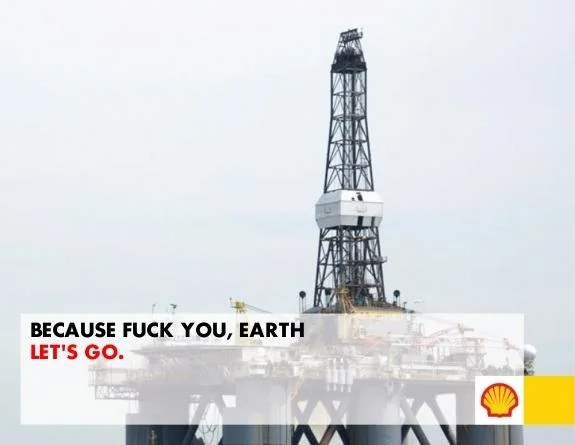
Operation Save the Arctic was a 2012 hacktivist campaign run by Anonymous in support of Greenpeace's anti-drilling push, dumping thousands of oil company emails on Pastebin under the #OpSaveTheArctic banner. The two-phase leak targeting Exxon Mobil, Shell, BP, Gazprom and Rosneft turned a corporate advocacy fight into one of the most visible eco-hacktivist ops of the year.
Overview
Operation Save the Arctic, tagged online as #OpSaveTheArctic and #SaveTheArctic, was a hacktivist operation Anonymous ran in mid-2012 to piggyback on Greenpeace's Save The Arctic campaign against oil drilling near the North Pole3. The op paired old-school Anonymous tactics, pastebin dumps of hacked corporate emails, with an advocacy twist: leaked addresses were used to sign the Greenpeace anti-drilling petition on behalf of oil company staff3.
The format was simple and repeatable. A spokesperson going by CyberZeist would publish a Pastebin communique framing each dump as a new 'Phase' of the operation, followed by hashes and email lists. Supporters on Twitter then amplified the leak with the #OpSaveTheArctic tag, treating the hack itself as the meme3. A companion YouTube explainer titled 'Official Anonymous #SaveTheArtic – Phase 1 and 2' packaged both dumps for a wider audience1.
Origin & Background
How It Spread
Timeline
2012-06-07
Greenpeace launches the Save The Arctic campaign at the Rio Earth +20 summit in Brazil.
2012-06-27
Anonymous spokesperson CyberZeist (@le4ky) posts 'Phase I of Operation Save The Arctic' on Pastebin, exposing about 300 Exxon Mobil-linked email accounts.
2012-06-29
Greenpeace publicly welcomes the Anonymous action in a tweet; Cyber War Zone uploads the 'Official Anonymous #SaveTheArtic – Phase 1 and 2' explainer on YouTube.
2012-07-16
CyberZeist releases 'Phase II' on Pastebin with 1,000+ additional emails from Shell, Exxon Mobil, BP, Gazprom and Rosneft.
How to Use This Meme
Participation was less a meme template and more a call to action: post the #OpSaveTheArctic or #SaveTheArctic hashtag on Twitter, share links to the Pastebin dumps, or reuse leaked oil executive email addresses to sign Greenpeace's anti-drilling petition3. On YouTube the common convention was to repost or remix the Cyber War Zone explainer clip framing the leak as an environmental protest1.