Pastel Goth

2012Fashion aesthetic / internet subculturesemi-active

Also known as: Nu Goth · Soft Grunge · Creepy Cute

Pastel Goth is a 2012 Tumblr-born fashion aesthetic merging pastel colors and kawaii accessories with goth imagery like skulls and inverted crosses, deliberately juxtaposing cute and dark.

Pastel Goth is a fashion aesthetic that blends pastel colors, kawaii-inspired accessories, and traditional goth imagery like skulls, inverted crosses, and dark occult motifs. The style coalesced on Tumblr around 2012, drawing from Japanese street fashion, grunge, and goth subcultures to create something deliberately contradictory: cute but creepy, soft but dark. It became one of the defining Tumblr-era internet aesthetics and helped launch the wave of micro-fashion trends that dominated online youth culture throughout the 2010s.

TL;DR

Pastel Goth is a fashion aesthetic that blends pastel colors, kawaii-inspired accessories, and traditional goth imagery like skulls, inverted crosses, and dark occult motifs.

Overview

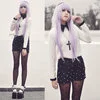
Pastel Goth takes the darkest corners of goth culture and runs them through a candy-colored filter. The look typically involves pastel-dyed hair (lavender, mint, baby pink), combined with clothing that references gothic and occult imagery: inverted crosses, pentagrams, skulls, and bats, all rendered in soft pastels rather than traditional black1. Accessories lean heavily on the Japanese kawaii aesthetic, with hair bows, platform creepers, studded chokers, and pastel wigs playing key roles3.

The style sits at an intentional crossroads. It borrows the visual vocabulary of goth (dark symbolism, alternative fashion) but strips away the musical and cultural foundations that define traditional goth subculture1. This made it a lightning rod for debate. Goth purists dismissed pastel goths as posers who didn't listen to goth music or engage with its deeper traditions3. Nirvana fans took issue with adherents loosely claiming the "grunge" label1. Defenders argued the whole point was that pastel goth is strictly a fashion aesthetic, not an identity or a claim to goth subculture membership3.

The exact moment pastel goth crystallized is hard to pin down. The style was floating around Tumblr's fashion blogs as early as 2010, but the first major dedicated space appeared on January 27, 2012, when the "Fuck Yeah Pastel Goth" Tumblr blog launched4. The blog curated and showcased examples of the emerging aesthetic, giving the scattered trend a name and a home.

The style drew heavily from Japanese kawaii street fashion, mixing it with elements of Western goth and grunge1. This fusion wasn't random. Tumblr in 2012 was a hotbed for cross-cultural fashion experimentation, and the platform's reblog-driven culture made it easy for niche aesthetics to spread fast. The first known mention of the term online dates to roughly 2010-2012, though no single originator has been identified1.

On June 13, 2012, Urban Dictionary user "catsarecoolokay" submitted a definition for "Pastel Goth," describing it as a Tumblr-driven fashion trend where girls dye their hair pastel colors while wearing clothing that "vaguely promotes goth images"4. The entry captured the aesthetic's core tension and helped codify what people were already seeing on their dashboards.

Origin & Background

Platform
Tumblr
Creator
Unknown
Date
2012

The exact moment pastel goth crystallized is hard to pin down. The style was floating around Tumblr's fashion blogs as early as 2010, but the first major dedicated space appeared on January 27, 2012, when the "Fuck Yeah Pastel Goth" Tumblr blog launched. The blog curated and showcased examples of the emerging aesthetic, giving the scattered trend a name and a home.

The style drew heavily from Japanese kawaii street fashion, mixing it with elements of Western goth and grunge. This fusion wasn't random. Tumblr in 2012 was a hotbed for cross-cultural fashion experimentation, and the platform's reblog-driven culture made it easy for niche aesthetics to spread fast. The first known mention of the term online dates to roughly 2010-2012, though no single originator has been identified.

On June 13, 2012, Urban Dictionary user "catsarecoolokay" submitted a definition for "Pastel Goth," describing it as a Tumblr-driven fashion trend where girls dye their hair pastel colors while wearing clothing that "vaguely promotes goth images". The entry captured the aesthetic's core tension and helped codify what people were already seeing on their dashboards.

How It Spread

Pastel Goth moved quickly once it had a name. On July 8, 2012, a Facebook page titled "Pastel Goth" launched and pulled in over 43,000 likes within three years. The trend's highly visual nature made it perfect for image-centric platforms, and it spread across Pinterest, Instagram, and fashion forums throughout 2012 and 2013.

Fashion industries noticed the trend's commercial potential and began marketing pastel goth-inspired pieces. Brands like Actual Pain and Killstar leaned into the aesthetic, and fast fashion retailers started stocking pastel skull prints and cross-emblazoned crop tops.

YouTube beauty creators gave the trend a major boost. On March 30, 2014, YouTuber Alexa Poletti uploaded a pastel goth makeup tutorial that racked up over 1.5 million views and 3,000 comments in its first year. In November 2014, YouTuber TiffyQuake posted another popular tutorial, showing the style's growing reach beyond Tumblr.

Mainstream media picked up the thread in 2014. BuzzFeed published an article about the fashion trend on April 13th, and MTV ran a piece titled "22 Items For Your Pastel Goth Starter Kit" on October 28th. These features marked the aesthetic's crossover from niche Tumblr subculture to something your coworker might Google on a lunch break.

Pastel Goth fits into a broader wave of internet-born aesthetics that Wikipedia's entry on the topic traces back to the early blogosphere among Millennials in the late 2000s. Alongside movements like seapunk, vaporwave, and soft grunge, pastel goth helped define a new kind of youth subculture: one that existed primarily through curated online imagery rather than physical scenes or music venues.

How to Use This Meme

Pastel Goth is an aesthetic rather than a meme template, so "using" it means incorporating its visual language into fashion, art, or online self-presentation.

Fashion basics: - Dye or wig your hair in pastel shades (lavender, pink, mint, baby blue) - Pair pastel clothing with dark or occult symbols (crosses, skulls, bats, pentagrams) - Mix kawaii accessories (hair bows, cat ear headbands, cute pins) with goth staples (chokers, platform boots, fishnets) - Ripped or distressed pieces in both pastel and black tones work well together - Vintage and thrifted elements are common

Online presentation: - Pastel goth blog aesthetics typically feature soft color palettes with dark accents - Common Tumblr/Pinterest board themes: pastel backgrounds with gothic typography, cute-meets-creepy character art, soft-filtered photos of dark fashion - The hashtag #pastelgoth on Instagram and TikTok tags outfit photos, room decor, and makeup looks

The key principle is contrast. Everything cute gets a dark edge, and everything dark gets softened with pastels. A studded choker paired with a pastel purple skirt and hair bows captures the core formula.

Cultural Impact

Pastel Goth was one of the first internet aesthetics to make the jump from Tumblr curation to mainstream fashion retail. When publications like BuzzFeed and MTV covered the trend in 2014, it signaled that online micro-aesthetics could drive real consumer demand. Fashion brands adapted the look for mass market, and elements of the style showed up in collections from both indie labels and fast fashion chains.

The aesthetic also played a role in the broader shift in how youth subcultures form. Traditional subcultures like punk or goth coalesced around music scenes and physical spaces. Pastel Goth, by contrast, was almost entirely digital-native, spreading through Tumblr reblogs, Pinterest boards, and YouTube tutorials. This pattern would repeat with later internet aesthetics like cottagecore, dark academia, and e-girl fashion.

The tension between pastel goth adherents and traditional goth gatekeepers became a recurring online discussion about authenticity in subcultures. The debate over whether an aesthetic without musical or philosophical roots "counts" as goth prefigured similar arguments around later trends.

Fun Facts

The Urban Dictionary entry that helped define pastel goth was submitted by a user called "catsarecoolokay," a name that perfectly captures the era's Tumblr energy.

Traditional goths weren't the only ones annoyed by the trend. Nirvana fans took particular offense at pastel goths using the word "grunge" to describe their look.

The "Fuck Yeah Pastel Goth" Tumblr blog, one of the aesthetic's earliest dedicated spaces, followed the "Fuck Yeah [Thing]" Tumblr naming convention that was itself a meme of the early 2010s.

Pastel Goth is part of a lineage of internet aesthetics that Wikipedia traces all the way back to the cyberpunk literary movement of the 1980s, through the -punk and -core naming conventions that later defined online microtrends.

Derivatives & Variations

Creepy Cute / Creepy Kawaii:

A closely related aesthetic that leans harder into the horror-meets-adorable angle, often featuring cartoon monsters, blood-spatter patterns, and eyeball motifs in pastel palettes[3].

Pastel Goth Lolita:

A fusion with Japanese Lolita fashion, combining the structured silhouettes and modesty of Lolita with pastel goth's color scheme and occult imagery[3].

Nu Goth:

Sometimes used interchangeably with pastel goth, but nu goth typically skews darker and more minimalist, incorporating more black alongside pastel accents[1].

Frequently Asked Questions

PastelGoth

2012Fashion aesthetic / internet subculturesemi-active

Also known as: Nu Goth · Soft Grunge · Creepy Cute

Pastel Goth is a 2012 Tumblr-born fashion aesthetic merging pastel colors and kawaii accessories with goth imagery like skulls and inverted crosses, deliberately juxtaposing cute and dark.

Pastel Goth is a fashion aesthetic that blends pastel colors, kawaii-inspired accessories, and traditional goth imagery like skulls, inverted crosses, and dark occult motifs. The style coalesced on Tumblr around 2012, drawing from Japanese street fashion, grunge, and goth subcultures to create something deliberately contradictory: cute but creepy, soft but dark. It became one of the defining Tumblr-era internet aesthetics and helped launch the wave of micro-fashion trends that dominated online youth culture throughout the 2010s.

TL;DR

Pastel Goth is a fashion aesthetic that blends pastel colors, kawaii-inspired accessories, and traditional goth imagery like skulls, inverted crosses, and dark occult motifs.

Overview

Pastel Goth takes the darkest corners of goth culture and runs them through a candy-colored filter. The look typically involves pastel-dyed hair (lavender, mint, baby pink), combined with clothing that references gothic and occult imagery: inverted crosses, pentagrams, skulls, and bats, all rendered in soft pastels rather than traditional black. Accessories lean heavily on the Japanese kawaii aesthetic, with hair bows, platform creepers, studded chokers, and pastel wigs playing key roles.

The style sits at an intentional crossroads. It borrows the visual vocabulary of goth (dark symbolism, alternative fashion) but strips away the musical and cultural foundations that define traditional goth subculture. This made it a lightning rod for debate. Goth purists dismissed pastel goths as posers who didn't listen to goth music or engage with its deeper traditions. Nirvana fans took issue with adherents loosely claiming the "grunge" label. Defenders argued the whole point was that pastel goth is strictly a fashion aesthetic, not an identity or a claim to goth subculture membership.

The exact moment pastel goth crystallized is hard to pin down. The style was floating around Tumblr's fashion blogs as early as 2010, but the first major dedicated space appeared on January 27, 2012, when the "Fuck Yeah Pastel Goth" Tumblr blog launched. The blog curated and showcased examples of the emerging aesthetic, giving the scattered trend a name and a home.

The style drew heavily from Japanese kawaii street fashion, mixing it with elements of Western goth and grunge. This fusion wasn't random. Tumblr in 2012 was a hotbed for cross-cultural fashion experimentation, and the platform's reblog-driven culture made it easy for niche aesthetics to spread fast. The first known mention of the term online dates to roughly 2010-2012, though no single originator has been identified.

On June 13, 2012, Urban Dictionary user "catsarecoolokay" submitted a definition for "Pastel Goth," describing it as a Tumblr-driven fashion trend where girls dye their hair pastel colors while wearing clothing that "vaguely promotes goth images". The entry captured the aesthetic's core tension and helped codify what people were already seeing on their dashboards.

Origin & Background

Platform
Tumblr
Creator
Unknown
Date
2012

The exact moment pastel goth crystallized is hard to pin down. The style was floating around Tumblr's fashion blogs as early as 2010, but the first major dedicated space appeared on January 27, 2012, when the "Fuck Yeah Pastel Goth" Tumblr blog launched. The blog curated and showcased examples of the emerging aesthetic, giving the scattered trend a name and a home.

The style drew heavily from Japanese kawaii street fashion, mixing it with elements of Western goth and grunge. This fusion wasn't random. Tumblr in 2012 was a hotbed for cross-cultural fashion experimentation, and the platform's reblog-driven culture made it easy for niche aesthetics to spread fast. The first known mention of the term online dates to roughly 2010-2012, though no single originator has been identified.

On June 13, 2012, Urban Dictionary user "catsarecoolokay" submitted a definition for "Pastel Goth," describing it as a Tumblr-driven fashion trend where girls dye their hair pastel colors while wearing clothing that "vaguely promotes goth images". The entry captured the aesthetic's core tension and helped codify what people were already seeing on their dashboards.

How It Spread

Pastel Goth moved quickly once it had a name. On July 8, 2012, a Facebook page titled "Pastel Goth" launched and pulled in over 43,000 likes within three years. The trend's highly visual nature made it perfect for image-centric platforms, and it spread across Pinterest, Instagram, and fashion forums throughout 2012 and 2013.

Fashion industries noticed the trend's commercial potential and began marketing pastel goth-inspired pieces. Brands like Actual Pain and Killstar leaned into the aesthetic, and fast fashion retailers started stocking pastel skull prints and cross-emblazoned crop tops.

YouTube beauty creators gave the trend a major boost. On March 30, 2014, YouTuber Alexa Poletti uploaded a pastel goth makeup tutorial that racked up over 1.5 million views and 3,000 comments in its first year. In November 2014, YouTuber TiffyQuake posted another popular tutorial, showing the style's growing reach beyond Tumblr.

Mainstream media picked up the thread in 2014. BuzzFeed published an article about the fashion trend on April 13th, and MTV ran a piece titled "22 Items For Your Pastel Goth Starter Kit" on October 28th. These features marked the aesthetic's crossover from niche Tumblr subculture to something your coworker might Google on a lunch break.

Pastel Goth fits into a broader wave of internet-born aesthetics that Wikipedia's entry on the topic traces back to the early blogosphere among Millennials in the late 2000s. Alongside movements like seapunk, vaporwave, and soft grunge, pastel goth helped define a new kind of youth subculture: one that existed primarily through curated online imagery rather than physical scenes or music venues.

How to Use This Meme

Pastel Goth is an aesthetic rather than a meme template, so "using" it means incorporating its visual language into fashion, art, or online self-presentation.

Fashion basics: - Dye or wig your hair in pastel shades (lavender, pink, mint, baby blue) - Pair pastel clothing with dark or occult symbols (crosses, skulls, bats, pentagrams) - Mix kawaii accessories (hair bows, cat ear headbands, cute pins) with goth staples (chokers, platform boots, fishnets) - Ripped or distressed pieces in both pastel and black tones work well together - Vintage and thrifted elements are common

Online presentation: - Pastel goth blog aesthetics typically feature soft color palettes with dark accents - Common Tumblr/Pinterest board themes: pastel backgrounds with gothic typography, cute-meets-creepy character art, soft-filtered photos of dark fashion - The hashtag #pastelgoth on Instagram and TikTok tags outfit photos, room decor, and makeup looks

The key principle is contrast. Everything cute gets a dark edge, and everything dark gets softened with pastels. A studded choker paired with a pastel purple skirt and hair bows captures the core formula.

Cultural Impact

Pastel Goth was one of the first internet aesthetics to make the jump from Tumblr curation to mainstream fashion retail. When publications like BuzzFeed and MTV covered the trend in 2014, it signaled that online micro-aesthetics could drive real consumer demand. Fashion brands adapted the look for mass market, and elements of the style showed up in collections from both indie labels and fast fashion chains.

The aesthetic also played a role in the broader shift in how youth subcultures form. Traditional subcultures like punk or goth coalesced around music scenes and physical spaces. Pastel Goth, by contrast, was almost entirely digital-native, spreading through Tumblr reblogs, Pinterest boards, and YouTube tutorials. This pattern would repeat with later internet aesthetics like cottagecore, dark academia, and e-girl fashion.

The tension between pastel goth adherents and traditional goth gatekeepers became a recurring online discussion about authenticity in subcultures. The debate over whether an aesthetic without musical or philosophical roots "counts" as goth prefigured similar arguments around later trends.

Fun Facts

The Urban Dictionary entry that helped define pastel goth was submitted by a user called "catsarecoolokay," a name that perfectly captures the era's Tumblr energy.

Traditional goths weren't the only ones annoyed by the trend. Nirvana fans took particular offense at pastel goths using the word "grunge" to describe their look.

The "Fuck Yeah Pastel Goth" Tumblr blog, one of the aesthetic's earliest dedicated spaces, followed the "Fuck Yeah [Thing]" Tumblr naming convention that was itself a meme of the early 2010s.

Pastel Goth is part of a lineage of internet aesthetics that Wikipedia traces all the way back to the cyberpunk literary movement of the 1980s, through the -punk and -core naming conventions that later defined online microtrends.

Derivatives & Variations

Creepy Cute / Creepy Kawaii:

A closely related aesthetic that leans harder into the horror-meets-adorable angle, often featuring cartoon monsters, blood-spatter patterns, and eyeball motifs in pastel palettes[3].

Pastel Goth Lolita:

A fusion with Japanese Lolita fashion, combining the structured silhouettes and modesty of Lolita with pastel goth's color scheme and occult imagery[3].

Nu Goth:

Sometimes used interchangeably with pastel goth, but nu goth typically skews darker and more minimalist, incorporating more black alongside pastel accents[1].

Frequently Asked Questions