Race Swapping
Published March 31, 2026
Also known as: Raceswapping · Race-swapping
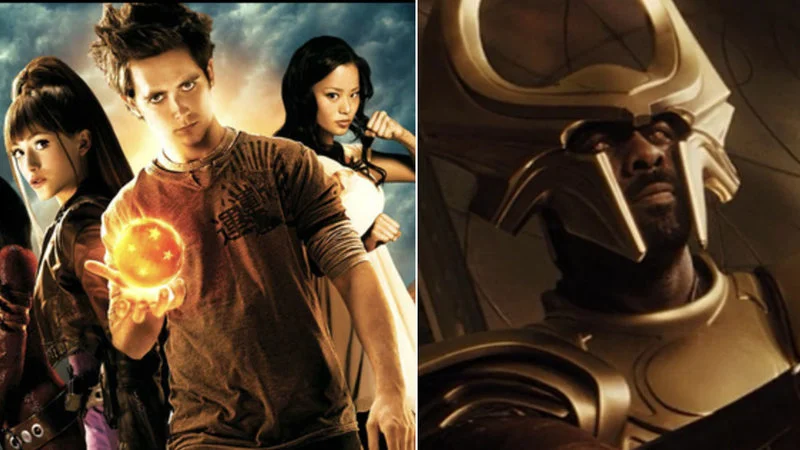
Race swapping is an internet term and meme format centered on the practice of changing a fictional character's or historical figure's race in media adaptations. Online debate around the concept picked up in the early 2010s following controversies like *The Last Airbender* and *Dragon Ball Evolution*, then evolved into an exploitable meme format where users create absurd parody posters swapping iconic characters' races for comedic effect. The discourse reached peak irony in June 2025 when Marvel Comics introduced an actual white Black Panther.
Overview
Race swapping describes the practice of casting an actor whose race differs from a character's established depiction in a film, TV show, or comic adaptation1. Also spelled "Raceswapping" or "Race-swapping," the term covers both the real industry practice and the meme ecosystem that grew around debating it7. On the meme side, the most common format involves creating fake movie posters or promotional images that swap a well-known character's race to an absurd degree, often casting Ryan Gosling in roles associated with Black characters or historical figures5.
The practice isn't exclusively one-directional. Early high-profile cases involved white actors replacing characters of color, commonly known as whitewashing1. But the bulk of modern online discourse and memes focus on established white characters being recast with Black performers, which critics call "Blackwashing"3. The meme format plays on the perceived asymmetry, with users creating increasingly ridiculous parody castings to satirize the trend.
Gallery
Origin & Background
How It Spread
How to Use This Meme
The race swapping meme typically takes one of these forms:
Parody movie poster: Pick a well-known character or historical figure strongly associated with one race and create a fake promotional poster "announcing" a casting swap. Ryan Gosling is the go-to choice for reverse (white-for-Black) swaps5.
Side-by-side comparison: Place the original character design next to the adaptation's version, usually with minimal or no caption, letting the visual contrast speak for itself1.
Fake studio announcement: Mock a Netflix, Disney, or Amazon press release about a race-swapped adaptation, playing on these studios' reputations for diverse recasting3.
Historical figure edit: Photoshop a different-race actor into a historical role, like a white actor as Frederick Douglass or a Black actress as Queen Victoria, pushing the concept to its most absurd conclusion6.
Cultural Impact
Fun Facts
The white Black Panther character Ketema was written by Christopher Priest, a Black creator who deliberately steered into the meme as a commentary on being pigeonholed by his own race in the comics industry5.
Jason Momoa's casting as Aquaman, a character traditionally depicted as a blond white man, is one of the few race swaps that faced almost zero pushback. More fans questioned his acting range than his Polynesian heritage1.
Michael Clarke Duncan's portrayal of the traditionally white Kingpin in the 2003 *Daredevil* film was widely called the best part of the movie, proving a race swap can be the high point of an otherwise panned project1.
Billy Dee Williams played Harvey Dent in Tim Burton's 1989 *Batman* with a contractual clause guaranteeing he'd return as Two-Face. Warner Bros. paid him out of that contract so Tommy Lee Jones could take the role in *Batman Forever*1.
Samuel L. Jackson's Nick Fury was based on an alternate Marvel universe version specifically redesigned to resemble Jackson in 2002, before he was ever cast1.
Derivatives & Variations
Netflix Blackwashing parodies:
A focused sub-format targeting streaming services' casting patterns, with users creating fake original movie posters featuring outlandishly race-swapped historical figures like a Black Anne Boleyn or Queen Charlotte[6].
Ginger Erasure:
A meme and talking point noting the pattern of red-haired characters (Mary Jane Watson, April O'Neil, Ariel) being disproportionately recast with Black actors in modern adaptations[3].
Ryan Gosling as Black Panther:
The iconic reverse race swap edit, featuring Gosling photoshopped into the Wakandan suit. It became reality-adjacent in 2025 when Marvel introduced an actual white Black Panther[5].
#RemakeADisneyClassic:
A popular X/Twitter hashtag where users created mock posters of white actors in traditionally Black or minority Disney roles to highlight perceived double standards[5].
Frequently Asked Questions
References (8)
- 1
- 2
- 3
- 4Race Swapping - Know Your Memeencyclopedia
- 5List of Internet phenomenaencyclopedia
- 6Race Swapping - Urban Dictionarydictionary
- 7
- 8