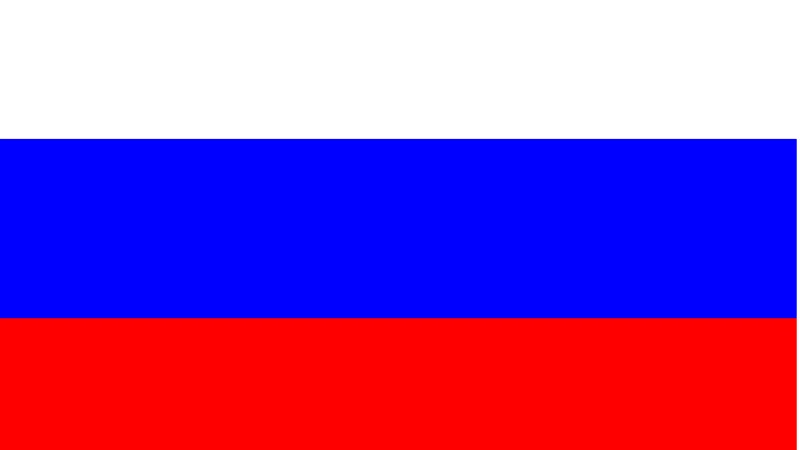
Russia

1990internet cultureclassic

Published September 25, 2026 · Version 4.0.1

Russia, the Eurasian country stretching from Eastern Europe across North Asia, hosts the second-largest language community online known as RuNet. With more than 108 million internet users and its own dominant search engine, social networks and video platforms, Russian internet culture built a parallel web that shaped meme trends, image boards and political humor across the Slavic-speaking world.

Overview

Russia's slice of the web, commonly called RuNet, is the second-largest language community online2. It runs on a stack of homegrown services that most of the outside internet rarely touches, led by the search engine Yandex, the social network VK, and the recommender feed Dzen1. Google and YouTube sit alongside these Russian-language giants in the country's top five most-visited sites as of August 20261.

Russian meme culture grew inside this parallel stack. VK's public groups (paбликu) function similar to Facebook Pages crossed with subreddits, hosting reaction pictures, deep-fried edits and Slavic squat humor that later crossed over to English-speaking sites2. Yandex-hosted image boards and the older LiveJournal blogging scene fed a steady stream of political jokes, Putin edits and cursed AI art into the wider meme ecosystem.

Outsiders often flatten the whole thing into stereotypes about vodka, bears and cyrillic captions, a framing that Urban Dictionary entries lean into with jokes calling Russia a "shithole country" run by Putin3. That gap between how Russians talk online and how the anglophone web talks about them is itself a recurring meme engine.

Origin & Background

Platform
FidoNet (early Russian networks) / VK and Yandex (mainstream RuNet)
Date
1990

Networked computing in Russia goes back to the 1950s, when the Institute of Precision Mechanics and Computer Engineering wired computers together to crunch radar data from test missiles2. Consumer internet, though, did not really begin until October 1990, when the first Russian FidoNet node came online2. The next year, the U.S. National Science Foundation opened TCP/IP access to former Eastern Bloc countries, and by the mid-1990s post-Soviet states had normal dial-up service.

By 2010 Russia counted more than 40 million users online, and in March 2013 Russian was declared the second most used language on the web. By July 2016 the user base crossed 100 million, roughly 76% of the population2.

How It Spread

RuNet's growth tracked the rollout of domestic platforms rather than a single viral moment. Rostelecom held more than 38% of residential internet service by 2013, giving one carrier outsized weight over how Russians connected2. VK.com, launched in 2006 as a Facebook lookalike, became the default social hub, while Yandex won the search war against Google inside Russia and grew into an ecosystem of maps, taxis, mail and news1.

The meme output from this stack traveled outward through Imgur, 9GAG, Reddit's r/ANormalDayInRussia and later TikTok, feeding the anglophone web with dashcam clips, gopnik squat photos and hardbass edits. A representative example is the widely shared "In Soviet Russia" style compilation uploaded to YouTube4, which packaged Russian street footage into a reaction-friendly format.

By August 2026, SimilarWeb ranked yandex.ru first, google.com second, dzen.ru third, vk.ru fourth and youtube.com fifth among the country's most-visited sites1. Urban Dictionary's top definitions still frame Russia in blunt political terms tied to the war in Ukraine, calling it a "terrorist state" and referencing Putin directly3.

Frequently Asked Questions