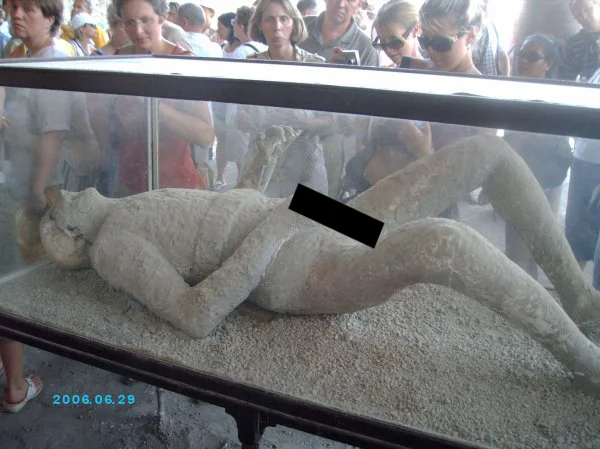
Unnecessary Censorship
Published October 4, 2026
Unnecessary Censorship is the comedy technique of dubbing bleeps, mosaic blurs, or black bars over source footage that was never actually explicit, tricking viewers into hearing or seeing obscenity where none exists. The gag grew out of late-1990s broadcast sitcoms that bleeped curse words for laughs, jumped online through the YouTube Poop community, and became a staple format for cooking shows, cartoons, and anime fan edits.
Overview
Unnecessary Censorship edits strip the explicit payload out of the usual censor toolkit and apply it where nothing needs hiding. A bleep tone drops over an ordinary word, a mosaic square sits on a character's hands, or a black bar covers a sandwich, letting the audience's brain fill in a dirty meaning that was never there5. The joke works because viewers are trained by TV standards to read these marks as proof of smut, so even clean footage of SpongeBob or Rachael Ray starts looking filthy once a bleep lands in the right spot.
The format splits into two main modes. Video edits time the bleep so it sounds like it is covering a specific vowel, and compilations of children's cartoons and cooking shows became the signature use case online26. Still-image versions crop out mosaics and black censor bars onto photographs, often from TV episode stills or ad campaigns3. In anime circles the same trick fuels the hand-holding joke, where fans photoshop a blur over two characters' hands as if the contact were pornographic5.
Gallery
Origin & Background
How It Spread
Timeline
Frequently Asked Questions
References (9)
- 1
- 2
- 3
- 4
- 5
- 6
- 7
- 8
- 9