MLG Montage Parodies

2011Video remix / parody genreclassic

Also known as: MLG Montages · Montage Parodies

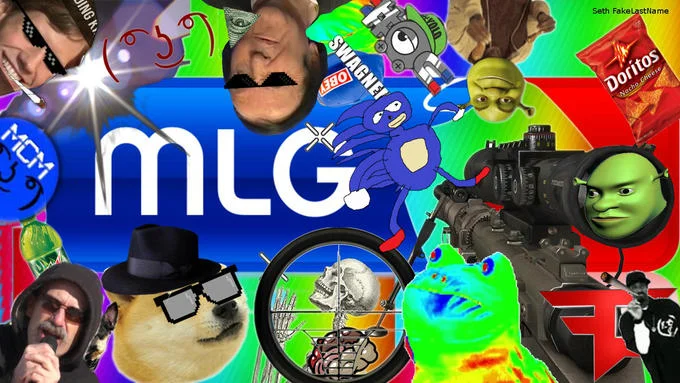
MLG Montage Parodies are a genre of satirical remix videos that mock the overly dramatic editing style of competitive gaming highlight reels. Emerging around 2011 on YouTube, the format layers ironic dubstep drops, air horn blasts, Doritos and Mountain Dew logos, "420 blaze it" references, and Illuminati imagery over mundane footage to parody the clichés of Major League Gaming culture. The genre built a massive community on Reddit's r/montageparodies and spawned some of YouTube's most recognizable editing tropes of the mid-2010s.

Overview

Montage parodies take the visual and audio language of competitive gaming montages and crank every element to absurd extremes. A typical video opens with shaky, low-quality gameplay or completely mundane footage, then explodes into a sensory assault of dubstep bass drops, air horn sound effects, hit markers from Call of Duty, and spinning Doritos and Mountain Dew logos2. The "360 no scope" trick shot, "420 blaze it" weed references, Snoop Dogg dancing GIFs, Illuminati triangles, and default "Sample Text" watermarks from Sony Vegas are all core visual ingredients2.

The format's humor comes from the gap between the unremarkable source footage and the over-the-top editing treatment. A woman flipping a pancake or someone playing Woodcutter Simulator gets the same dramatic editing usually reserved for a Call of Duty killstreak. The ironic conspiracy theory segments typically use X-Files or Inception theme music, while sad violin plays over faux-dramatic moments2.

The roots of montage parodies trace to the competitive gaming scene. As early as September 2010, YouTubers were uploading earnest montages of first-person shooter gameplay, particularly from Call of Duty, featuring the rapid-fire editing, dubstep soundtracks, and squeaker voice clips that defined the Major League Gaming aesthetic on YouTube2.

The first known parody of this style came on March 10, 2011, when YouTuber Jamal Nigrumz (also known as jmcxs) uploaded a video applying the over-edited montage treatment to World of Warcraft footage instead of the usual FPS games2. By using MMORPG clips in a format built for trick shot compilations, the video exposed how formulaic and self-serious the montage genre had become.

Origin & Background

Platform
YouTube (parody videos), Reddit (community hub via r/montageparodies)
Key People
Jamal Nigrumz / jmcxs, souqil
Date
2011

The roots of montage parodies trace to the competitive gaming scene. As early as September 2010, YouTubers were uploading earnest montages of first-person shooter gameplay, particularly from Call of Duty, featuring the rapid-fire editing, dubstep soundtracks, and squeaker voice clips that defined the Major League Gaming aesthetic on YouTube2.

The first known parody of this style came on March 10, 2011, when YouTuber Jamal Nigrumz (also known as jmcxs) uploaded a video applying the over-edited montage treatment to World of Warcraft footage instead of the usual FPS games2. By using MMORPG clips in a format built for trick shot compilations, the video exposed how formulaic and self-serious the montage genre had become.

How It Spread

The parody format picked up steam later in 2011. On October 18, YouTuber souqil uploaded a montage built around footage from Woodcutter Simulator 2011, applying the full MLG treatment to one of the most mundane games imaginable2. Two months later on December 23, YouTuber motdef released a montage parody for Train Simulator, directly inspired by souqil's approach2. These two videos pulled in over 310,000 and 2.47 million views respectively in their first three years, proving there was a real audience for the format.

The community found its home on May 18, 2012, when the r/montageparodies subreddit launched as a central hub for sharing and discovering new videos2. The subreddit became the genre's creative engine, with creators workshopping ideas, sharing editing techniques, and building a shared visual vocabulary.

By mid-2012, creators were pushing the format's boundaries. On May 31, 2012, YouTuber xX420KuShxX uploaded a montage built around shaky Flash browser game footage2. The username alone tells you everything about the culture: a parody of the "xX_Xx" gamertag format stuffed with weed references. By December 14, 2013, the format had grown absurd enough that YouTuber QwertySkill made a montage parody of a woman demonstrating how to flip a pancake2.

The genre produced its own stars. Creators like Snipars, Fapplet, Ancientreality, Senpai Kush, NFKRZ, and Vagabonds became well-known figures, most of them closely tied to the r/montageparodies community2. The audio side of the culture developed its own ecosystem too, with creators sourcing samples from SoundCloud in a practice known as "Soundclown," producing comedy remixes and mashups specifically designed for montage parody use2.

The music in these videos drew heavily from dubstep and trap, with the genre's signature sounds including Call of Duty hit marker effects, air horn blasts, and the Sad Violin meme2. References to the "Doritogate" controversy around gaming journalism and product placement became recurring visual gags, alongside the Dancing Snoop Dogg GIF and spinning Illuminati symbols2.

Platforms

RedditTwitterTikTokInstagram

Timeline

2014

MLG Montage Parodies first appears online

2014

Gains traction on social media

2015

Reaches peak popularity

2016-01-01

MLG Montage Parodies reached mainstream popularity and media coverage

2017-01-01

Brands and companies started using MLG Montage Parodies in marketing

2019-01-01

MLG Montage Parodies entered the broader pop culture conversation

View on Google Trends

How to Use This Meme

Making a montage parody follows a loose but recognizable formula:

1

Pick mundane source footage. The more boring or ordinary, the better. Cooking tutorials, simulator games, everyday activities. The comedy comes from the mismatch.

2

Apply MLG editing. Rapid cuts, zooms, screen shakes, lens flares. Sony Vegas is the traditional editor, and leaving the "Sample Text" watermark visible is part of the aesthetic.

3

Layer the audio. Dubstep or trap drops timed to key moments. Air horn blasts for emphasis. Hit marker sounds from Call of Duty. Sad Violin for dramatic fake-outs. X-Files theme for conspiracy segments.

4

Add the visual icons. Doritos bags, Mountain Dew cans, spinning Illuminati triangles, Snoop Dogg dancing, "420 blaze it" text, and "360 no scope" references.

5

Include squeaker voices or voice chat clips for authenticity to the source material being parodied.

Create Your Own

Cultural Impact

Montage parodies left a lasting mark on YouTube editing culture. The visual vocabulary they established, including air horn sounds, hit markers used as comedic punctuation, and ironic dubstep drops, spread far beyond the genre itself and became standard tools in internet humor. The Illuminati triangle gag and "420 blaze it" references became so widespread that many people encountered them without knowing they originated in montage parody culture.

The genre also helped popularize ironic and meta-humor on YouTube. By taking the gaming community's own aesthetic and reflecting it back as absurdist comedy, montage parodies made self-awareness a valued trait in online content creation. The r/montageparodies subreddit served as a model for how niche creative communities could organize around a specific format2.

The "Soundclown" subculture that grew alongside montage parodies on SoundCloud created its own legacy in remix culture, blending comedy and music production in ways that influenced later trends in audio shitposting2.

Fun Facts

The name "MLG" in the genre's title refers to Major League Gaming, the professional esports organization whose associated editing style became the target of parody2.

The r/montageparodies subreddit launched barely a year after the first known parody video, showing how quickly the community organized2.

motdef's Train Simulator montage parody hit 2.47 million views, making a joke video about virtual trains one of the genre's early viral hits2.

The genre's reliance on Doritos and Mountain Dew imagery was a direct parody of gaming culture's association with those brands, particularly after sponsorship controversies in games journalism2.

Derivatives & Variations

Unexpected [X] Montage Parodies

— Applying the format to wildly inappropriate source material (cooking shows, educational videos, nature documentaries) became a subgenre in its own right[2].

Soundclown Remixes

— Comedy music mashups and remixes created specifically for montage parody use, sourced primarily from SoundCloud[2].

"Sample Text" as a Meme

— The default Sony Vegas watermark became its own standalone meme, used ironically in image macros and shitposts outside of video content[2].

MLG Edits of Other Memes

— Creators applied the montage parody editing style to existing memes and viral videos, creating a crossover format[2].

Frequently Asked Questions

References (2)

  1. 1
    PewDiePieencyclopedia
  2. 2