What Cleopatra May Have Looked Like
Published October 5, 2026
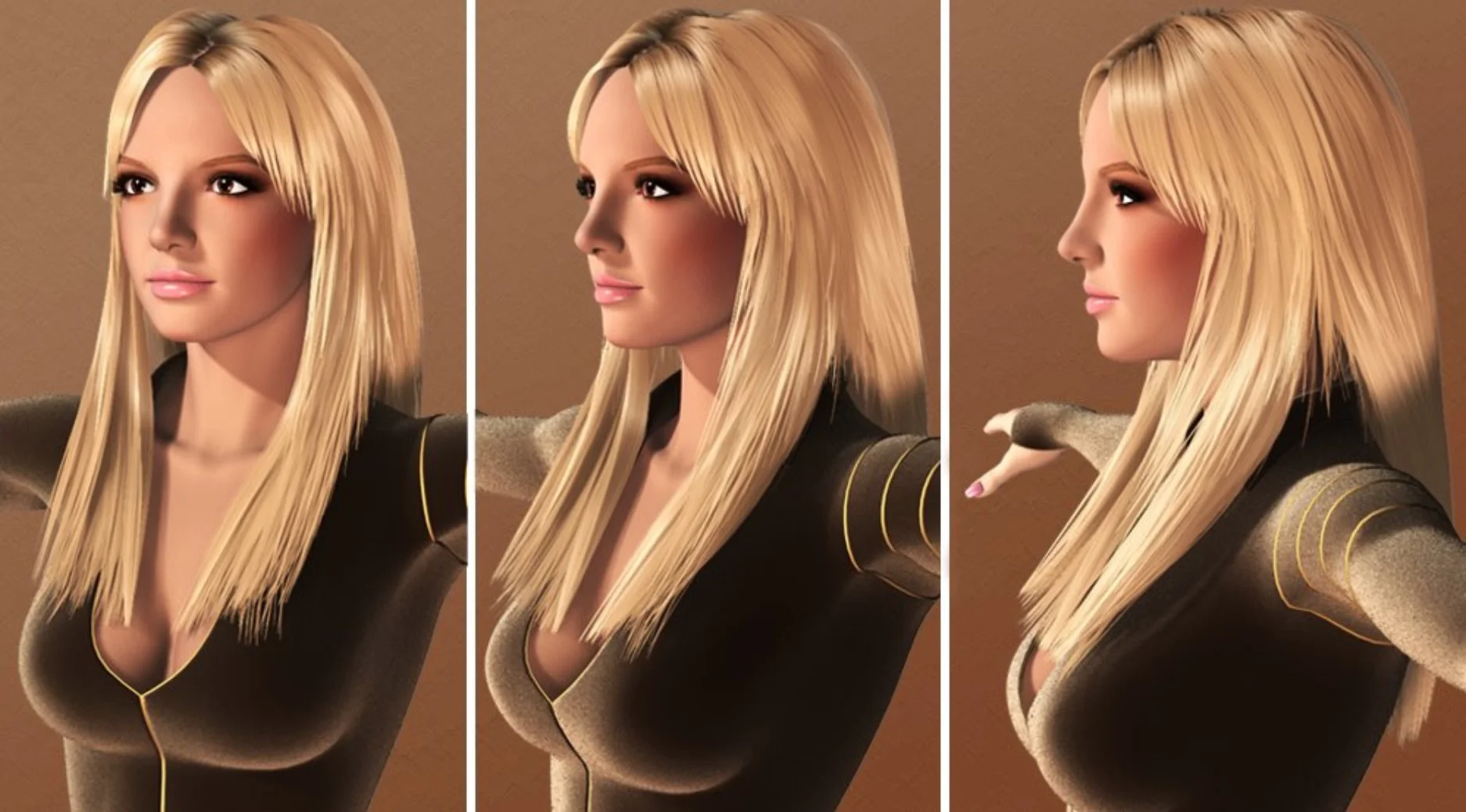
What Cleopatra May Have Looked Like is a February 2018 Twitter copypasta that falsely credited Harvard scientists with a 3D reconstruction of the Egyptian queen, pairing the fake research with a Britney Spears video game render1. The post fooled a swath of readers and launched a wave of mock reconstructions.
Overview
The copypasta leads with a boilerplate line, 'Scientists at Harvard University have created this 3D Model depicting what ancient Egyptian queen Cleopatra may have looked like,' followed by a conspicuously non-Cleopatra image4. The gag works on two levels. For readers who clock it, the format celebrates pop queens like Rihanna, Beyoncé, and Lady Gaga by posing them as the historical queen1. For readers who don't, the fake academic framing is convincing enough that angry replies demanding proper citations end up as part of the entertainment3.
Variations stretch the bit with 3D-rendered video game characters, selfies, bad meme pictures, and non-human mascots. Daily Dot called the format the female counterpart to the 2016 'ideal male body' meme, in which users posted comical takes on a fit male silhouette1.
Gallery
Origin & Background
How It Spread
Timeline
2018-02-18
Twitter user @lovemedown posts the original tweet pairing the Harvard copypasta with a 3D render of Britney Spears from Britney's Dance Beat.
2018-02
Daily Dot publishes Jay Hathaway's writeup identifying the Britney's Dance Beat model and documenting the angry and in-on-the-joke replies.
2018-02
Nylon covers the moment, collecting offended reactions from users who thought the tweet was real news.
How to Use This Meme
Users typically paste the Harvard sentence verbatim and attach a wildly implausible image: a pop star, cartoon character, blocky 3D game model, a selfie, or a meme mascot. The humor sharpens when the chosen image clashes hard with the deadpan academic framing1.