Archive.org Nostalgia
Published March 10, 2026 · Updated March 23, 2026
Also known as: Wayback Machine Nostalgia · Internet Archaeology
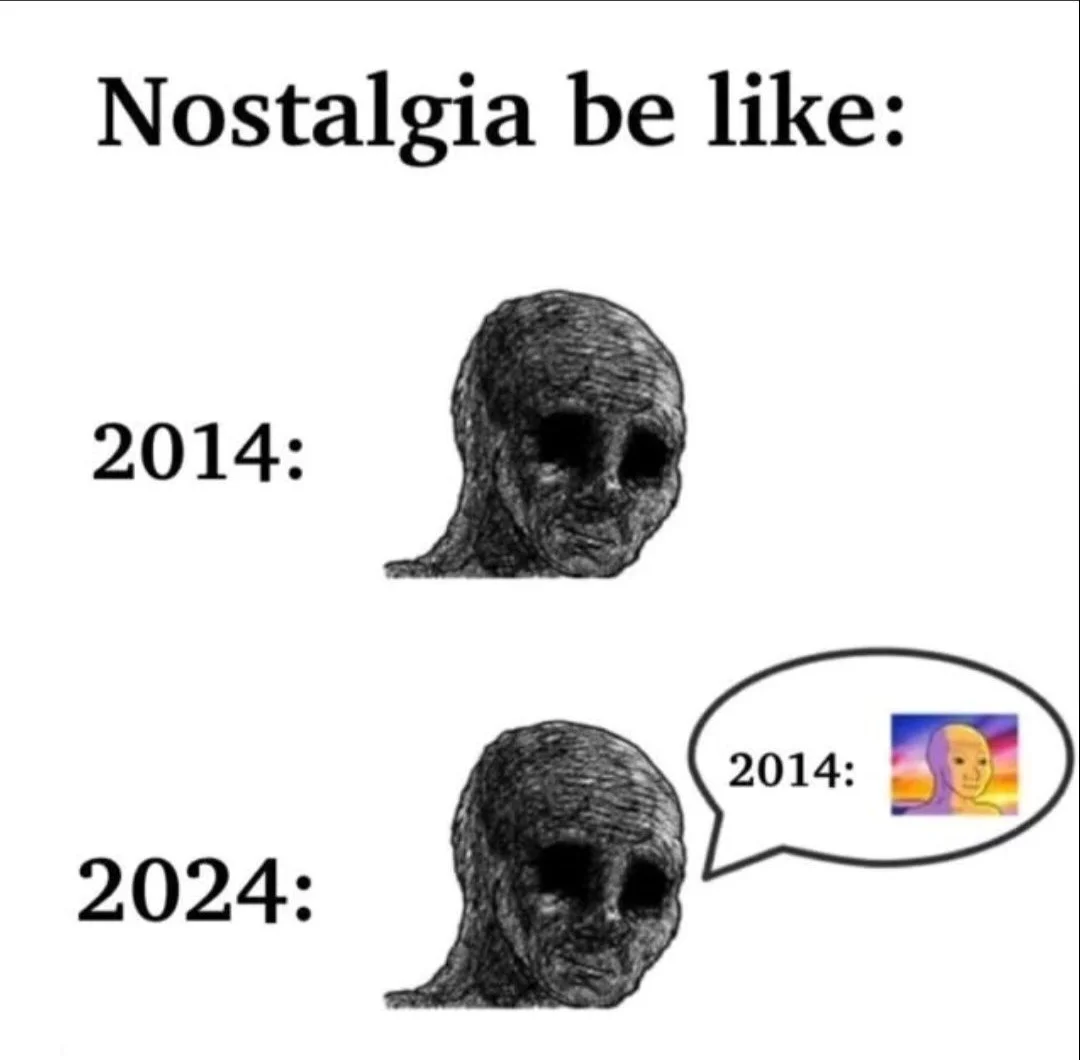
Archive.org Nostalgia refers to the internet culture of using the Wayback Machine and Archive.org to revisit defunct websites, share screenshots of old web pages, and collectively mourn or celebrate the early internet. The meme took shape in the late 2010s as users began posting side-by-side comparisons of old GeoCities pages, MySpace profiles, and Flash-era sites alongside modern web design. It taps into a broader wave of internet archaeology where people treat the digital past like a lost civilization worth excavating.
Overview
Archive.org Nostalgia is a loose meme format built around the act of pulling up old websites on the Wayback Machine and sharing them with commentary ranging from genuine longing to absurdist humor. The format typically involves a screenshot of a garish late-90s or early-2000s website, complete with tiled backgrounds, under-construction GIFs, visitor counters, and Comic Sans text, paired with captions like "we peaked here" or "they took this from us."
The meme draws its power from the contrast between the handmade, chaotic energy of early web design and the sleek, algorithm-driven uniformity of modern platforms. What makes it distinct from generic nostalgia posting is the specific use of Archive.org as the tool and source, turning a digital preservation nonprofit into an unlikely meme engine.
Origin & Background
How It Spread
Platforms
Timeline
2023-01-15
First appears
2023-06-01
Goes viral
2024-01-01
Continues in use
2025-01-01
Archive.org Nostalgia is still actively used and shared across platforms
How to Use This Meme
The meme typically follows a few common patterns:
Screenshot + Commentary: Pull up a website on web.archive.org, take a screenshot of the most visually chaotic page you can find, and post it with a caption expressing either sincere nostalgia or ironic admiration. Common captions include "this was peak web design," "we didn't know how good we had it," or simply the year.
Then vs. Now: Place an archived version of a website (usually colorful, messy, personality-driven) next to its modern equivalent (usually minimalist, corporate, cookie-banner-laden). The contrast is the joke.
Personal Archaeology: Share an archived version of your own old website, MySpace page, or forum profile. Self-deprecating commentary about your teenage design choices is standard.
Deep Cuts: Find the most obscure archived page possible. Fan sites for discontinued products, personal shrines to 90s celebrities, or corporate pages with hilariously outdated technology predictions all work well.
Cultural Impact
Fun Facts
Archive.org stores over 835 billion web pages in its Wayback Machine, making it one of the largest digital libraries in existence.
The most commonly shared nostalgic screenshots tend to feature Space Jam's original 1996 website, which Warner Bros. kept online for years as an unofficial monument to 90s web design.
The American Folklife Center at the Library of Congress treats internet memes and digital folklore as culturally significant enough to archive alongside traditional American folk traditions1.
Neocities, the GeoCities spiritual successor, hosts over 800,000 websites built by users who rejected modern web design conventions.
The phrase "the internet used to be free" became a recurring caption in Archive.org nostalgia posts, though it means "free" in the sense of creative freedom rather than cost.
Derivatives & Variations
GeoCities Gallery posts:
Curated collections of the wildest archived GeoCities pages, often compiled into Twitter threads or Reddit galleries[1]
"Web 1.0 was better" discourse:
Earnest arguments using Wayback Machine evidence that old internet design was more creative than modern templates[1]
Old website ASMR:
TikTok videos of users slowly scrolling through archived 90s websites with lo-fi music, framed as relaxation content[1]
Corporate time travel:
Posts comparing early versions of major company websites (Google, Amazon, Apple) to their current designs, usually highlighting how simple they once were[1]
Frequently Asked Questions
References (1)
- 1Creepypastaencyclopedia