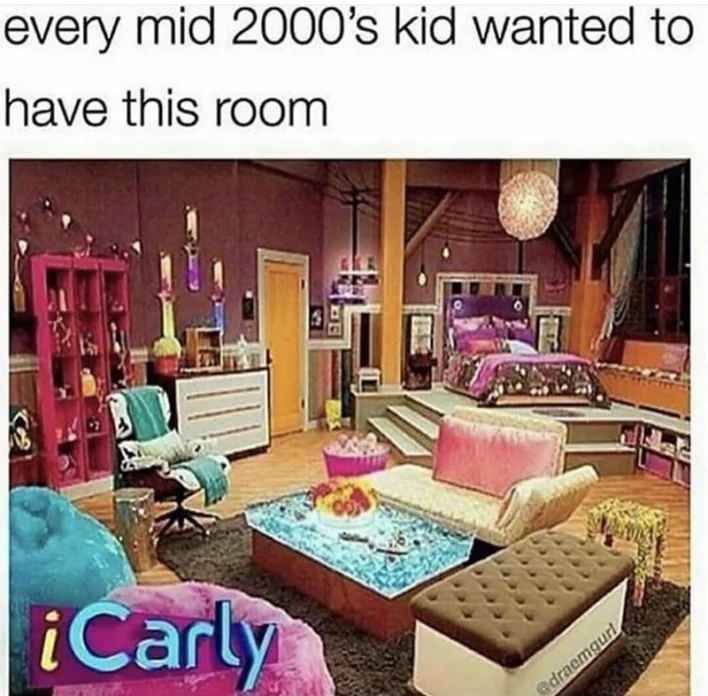
Millennial Pink Nostalgia
Published March 10, 2026 · Updated March 23, 2026
Also known as: Pink Nostalgia · Millennial Pink Aesthetic
Millennial Pink Nostalgia is an internet aesthetic trend that pairs soft pink color palettes with romanticized imagery from the 1990s and early 2000s. Growing out of the same online nostalgia culture that powered movements like vaporwave and seapunk on Tumblr in the early-to-mid 2010s1, the trend filtered retro childhood memories through dreamy, pink-tinted visuals and became a staple of Instagram and Pinterest mood boards around 2016-2017.
Overview
Millennial Pink Nostalgia sits at the intersection of two mid-2010s internet fixations: the "millennial pink" color trend (a muted, dusty rose shade that dominated product design and branding) and the online nostalgia boom that had millennials romanticizing everything from Lisa Frank folders to AOL dial-up sounds. The aesthetic typically features washed-out pink filters over photos of 90s tech, childhood snacks, VHS tapes, and early web design elements. Think a pink-tinted Game Boy next to a Tamagotchi, or a soft rose overlay on a Windows 95 screenshot.
The trend shares DNA with vaporwave's visual language, which incorporated 1990s web design imagery, glitch art, and retro technology into its aesthetic1. Where vaporwave leaned into an ironic or satirical engagement with consumer capitalism and pop culture from previous decades1, Millennial Pink Nostalgia took a more earnest, sentimental approach. The pink filter wasn't meant to critique the past. It was meant to make it look even more beautiful than you remembered.
Gallery
Origin & Background
How It Spread
Platforms
Timeline
2023-01-15
First appears
2023-06-01
Goes viral
2024-01-01
Continues in use
2025-01-01
Millennial Pink Nostalgia is still actively used and shared across platforms
How to Use This Meme
Millennial Pink Nostalgia content typically follows a few common patterns:
Pink filter method: Take a photo of a nostalgic object (Game Boy, VHS tape, old cereal box, dial-up modem) and apply a pink or rose-tinted filter
Flat lay arrangement: Arrange multiple 90s/2000s items on a surface, photograph them with pink lighting or backdrop
Digital collage: Combine scanned images of old magazines, screenshots of early websites, and retro clip art with pink overlays and soft gradients
Mood board format: Curate a grid of pink-toned nostalgic images for Instagram or Pinterest, often themed around a specific era or product category (90s tech, childhood snacks, old cartoons)
Cultural Impact
Fun Facts
The specific shade known as "millennial pink" doesn't have one agreed-upon hex code. It ranges from dusty rose (#DCAE96) to salmon pink (#FFB6C1) depending on who you ask.
Vaporwave, one of the aesthetic's key predecessors, was named after "vaporware," a tech industry term for software that gets announced but never released1.
The trend peaked right around the time that the oldest millennials were turning 35-36, placing maximum nostalgic distance between them and their 90s childhoods.
Some of the retro technology featured in Millennial Pink Nostalgia posts (like original Game Boys and Walkmen) now sells for significant premiums on collector markets, partly driven by the aesthetic demand for photogenic vintage tech.
Derivatives & Variations
Cottagecore pink:
A softer variant combining the pink palette with countryside and domestic imagery rather than 90s tech nostalgia
Y2K pink aesthetic:
A late-2010s/early-2020s evolution focused specifically on turn-of-the-millennium imagery (flip phones, butterfly clips, frosted lip gloss) with pink color grading
Vaporwave pink:
Content that blends the Millennial Pink palette with vaporwave's visual elements like Greek statues and glitch art[1]
Nostalgiacore:
A broader aesthetic category that absorbed the pink nostalgia trend into a more platform-agnostic format across TikTok and Instagram Reels
Frequently Asked Questions
References (1)
- 1Vaporwaveencyclopedia