Blackfishing
Published November 6, 2026
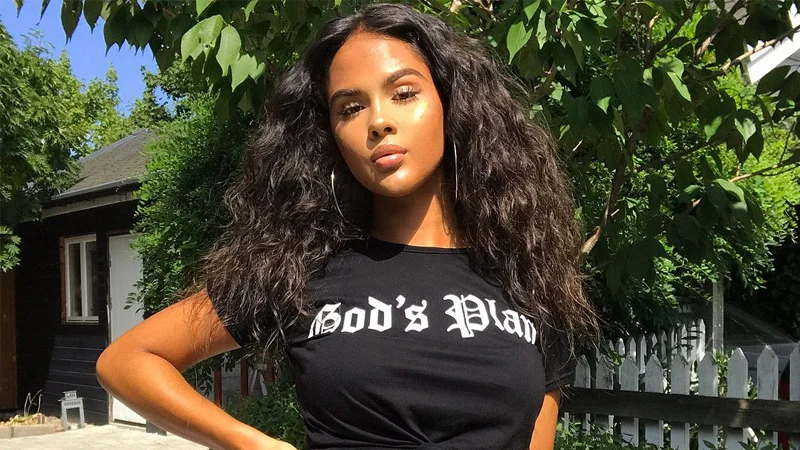
Blackfishing describes white social media users, mostly Instagram influencers, who tan, contour and style themselves to look Black or mixed-race. The term went viral in November 2018 after Toronto writer Wanna Thompson's Twitter thread catalogued "white girls cosplaying as black women on Instagram," and Swedish influencer Emma Hallberg became the face of the controversy. By late November 2018, BBC Newsbeat, Slate and ABC's Good Morning America were covering blackfishing as a mainstream appropriation debate.
Overview
Accused blackfishers typically rely on heavy spray tans, bronzer contouring, overlined glossy lips, curly or braided hair styled through wet-and-wavy wigs, box braids or Bantu knots, plus streetwear and hip-hop aesthetics in their shoots1. The signature evidence in viral callouts is a side-by-side pairing: an earlier photo showing a pale, light-haired teenager next to a recent post where the same person looks ambiguously Black, Latina or North African1. Writers covering the pattern pointed to 3c curls, dreadlocks and hood fashions that followers read as a racial performance, not a tan1.
Unlike the Rachel Dolezal case, people called out for blackfishing rarely identify themselves as another race. Their defense tends to be that their skin darkens through sun exposure or spray tanning and that their hair and features are natural3. Critics counter that the practice lets white women capitalize on Black aesthetics for brand deals and follower growth without facing racism, a point BBC Newsbeat's interviewees pushed against2. Lauren Jackson, a University of Chicago PhD student writing on race and cultural appropriation, told ABC that when a large group tells someone their look takes advantage of a racist legacy, they should listen3.
Gallery
Origin & Background
How It Spread
Timeline
How to Use This Meme
Blackfishing works as a callout label rather than a template format. Users typically deploy it on Twitter or Instagram by posting a side-by-side of an earlier pale photo and a recent darker-skinned post of the same influencer, tagged with the accusation that the subject is capitalizing on Black beauty aesthetics for follower growth or brand deals1. Thompson's original crowdsourced thread established the practice of letting the paired photos speak for themselves without heavy commentary, a style later copied in subsequent callouts of other influencers1.
Frequently Asked Questions
References (9)
- 1
- 2
- 3
- 4
- 5
- 6
- 7
- 8
- 9