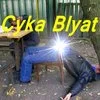
Blyat Cyka Blyat
Published March 24, 2026
Also known as: Suka Blyat · сука блять · Rush B Cyka Blyat
Cyka Blyat (Russian: сука блять) is a Russian expletive roughly translating to "bitch, fuck" that became one of the internet's most recognized foreign-language catchphrases through the Counter-Strike gaming community in the mid-2010s. The phrase spread as English-speaking players encountered Russian teammates and opponents on shared servers, turning the raw, aggressive audio into a widely memed shorthand for the chaotic experience of playing on European CS:GO servers. It crossed over from gaming voice chat into YouTube compilations, music remixes, and a broader symbol of the "Russian internet" aesthetic online.
Overview
"Blyat" (блять) is a derivative of the Russian word "blyad'" (блядь), which originally meant "whore" or "woman of loose morals"1. In modern spoken Russian, блять functions less as a direct insult and more as an all-purpose interjection, similar to dropping an f-bomb in English when something goes wrong3. Paired with "suka" (сука, meaning "bitch"), the combined phrase сука блять works as an explosive expression of frustration rather than a literal compound insult1.
The phrase went global through competitive multiplayer gaming. When Valve's servers matched English-speaking players with Russian-speaking ones in Counter-Strike: Global Offensive and Dota 2, "cyka blyat" became the phrase Western players heard most often over voice chat3. The transliteration uses Latin characters that happen to look like Cyrillic ones, which is why "cyka" is pronounced "soo-ka" rather than how it reads in English3.
Origin & Background
How It Spread
How to Use This Meme
The phrase typically shows up in a few meme contexts:
Gaming voice chat imitation — Used in text or video to mimic the experience of playing on European servers. Often paired with "Rush B" (a Counter-Strike callout meaning "everyone charge bombsite B"). The full phrase "Rush B cyka blyat" became shorthand for aggressive, uncoordinated team play1.
Dashcam reaction clips — Russian dashcam compilations where drivers shout "blyat" during accidents or near-misses. The word functions as a verbal punchline to whatever chaos is on screen4.
Image macros and text posts — Screenshots from CS:GO or other games overlaid with "cyka blyat" in Impact font or similar styling, usually joking about learning Russian through gaming.
Music remixes — Songs and tracks that sample or repeat the phrase, often set to hardbass or electronic music associated with Russian internet culture3.
Cultural Impact
Fun Facts
The milder Russian alternative to блять is "blin" (блин), which literally means "pancake" and functions the same way "shoot" or "fudge" substitutes for English profanity3.
Russian profanity is among the oldest documented features of the Russian language, with written mat words dating to the early Middle Ages1.
The Cyrillic letters in сука look like the Latin letters "cyka" purely by coincidence, which is why the transliteration caught on so easily among Western gamers who couldn't read the original script3.
Author Victor Erofeyev published an analysis of mat's history, social overtones, and sociology in The New Yorker in September 2003, years before the gaming meme existed1.
Russian literature has a long tradition of using mat. Mikhail Lermontov's 1834 work "A Holiday in Peterhof" is one notable example of profanity in Russian literary canon1.
Frequently Asked Questions
References (4)
- 1Russian profanityencyclopedia
- 2Urban Dictionary: blyatdictionary
- 3Blyat / Cyka Blyat - Know Your Memeencyclopedia
- 4