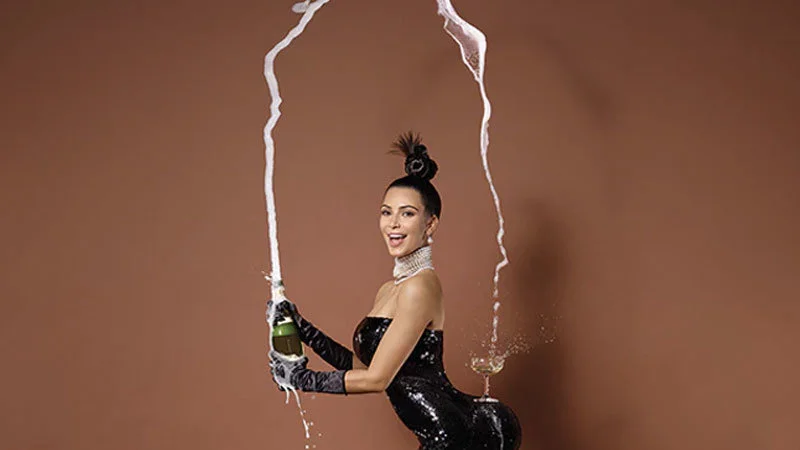
Break The Internet
Published March 30, 2026
Also known as: #BreakTheInternet · Broke the Internet
"Break the Internet" is a catchphrase used to describe when a piece of content, story, or celebrity moment goes so overwhelmingly viral that it dominates online conversation across multiple platforms at once. The phrase picked up its modern slang meaning in 2014 when Paper Magazine used it as the headline for Kim Kardashian's nude cover shoot, turning what had been a tech-policy cliché into one of the decade's most recognizable internet expressions3. Since then, the phrase has been applied to everything from Caitlyn Jenner's Vanity Fair reveal to Taylor Swift's NFL appearances, averaging roughly 2,000 daily uses on Twitter by mid-20155.
Overview
"Break the Internet" started as a literal concept. In the 1990s, media reports regularly described hackers as having "broken into" the internet, treating the global network as if it were a single machine with a lock on the front door5. The idea that ordinary actions could somehow crash the entire internet was absurd enough to become a running joke, most memorably in the British sitcom *The IT Crowd*, where a character warns colleagues that typing "Google" into Google could break the internet1.
The phrase shifted meaning twice. First, in the early 2010s, policy advocates used it to warn that proposed legislation like SOPA/PIPA would fundamentally alter how the internet worked5. Then, around 2014, "break the internet" became pure slang, a way to describe content so viral it felt like every corner of the web was talking about the same thing at the same time3. This final meaning is the one that stuck.
Gallery
Origin & Background
How It Spread
How to Use This Meme
"Break the internet" works as both a declaration and an aspiration. The most common uses:
- Describing past virality: "That dress debate broke the internet" or "Kim K broke the internet in 2014." Applied retroactively to events that dominated online conversation. - Hyping upcoming content: Brands and creators often announce they're "about to break the internet" before a product launch, photoshoot, or reveal. Paper Magazine essentially created this template. - Ironic or sarcastic usage: Calling something mundane "internet-breaking" for comedic effect. A photo of a mediocre sandwich captioned "about to break the internet" plays on the gap between the hype and the content8. - Describing server crashes: Occasionally still used in its older technical sense, where massive traffic spikes actually crash websites or slow servers to a crawl1.
The hashtag #BreakTheInternet typically accompanies these uses on Twitter and Instagram.
Cultural Impact
Fun Facts
The phrase appeared in a 1993 Canadian arrest report about DNS theft, possibly one of the earliest recorded uses of "breaking into the Internet" in media5.
Paper Magazine's winter 2014 issue used photographer Jean-Paul Goude, who recreated his own 1976 "Champagne Incident" image for the Kardashian shoot7.
Kim Kardashian's husband Kanye West responded to the entire internet firestorm with a single-word tweet: "#AllDay"7.
Urban Dictionary's top definition for "Break the Internet" references *The IT Crowd* scene about typing "Google" into Google8.
Paper's creative director waited three years before using the "Break the Internet" branding again, specifically reserving it for Nicki Minaj in 20176.
Derivatives & Variations
#BreakTheInternet hashtag campaigns:
Following the Kardashian cover, brands and individuals co-opted the hashtag for their own promotional stunts, often with diminishing impact[7].
Nicki Minaj "Minaj à Trois" (2017):
Paper Magazine's second official "Break the Internet" cover, featuring three Minaj personas in a provocative composite shot by Ellen von Unwerth[6].
Counter-memes:
During the Kardashian cover's peak, Twitter users deliberately flooded the hashtag with cute dog photos and other non-sequiturs as a form of playful protest[7].
The IT Crowd clip revival:
Every major "break the internet" moment brought renewed attention to the 2008 *IT Crowd* scene, which became the default reply GIF for anyone invoking the phrase[1].
Frequently Asked Questions
References (15)
- 1
- 2
- 3
- 4Break the Internet - Know Your Memeencyclopedia
- 5List of Internet phenomenaencyclopedia
- 6Break the Internet - Urban Dictionarydictionary
- 7Urban Dictionary: Break the Internetdictionary
- 8
- 9
- 10
- 11
- 12
- 13
- 14
- 15