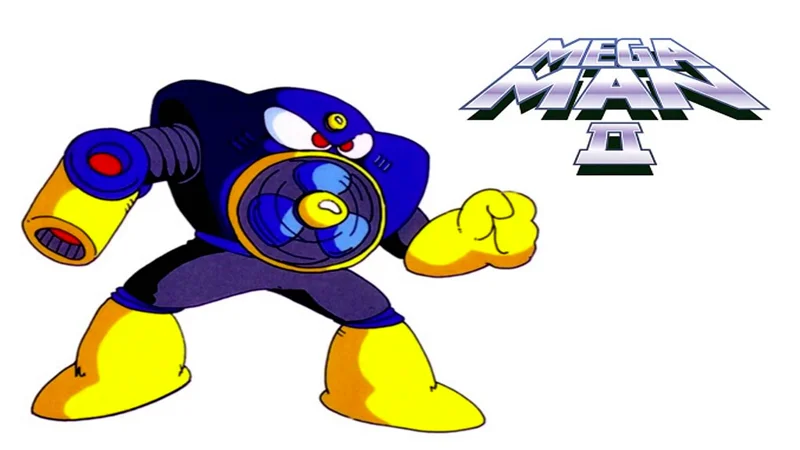
Cant Beat Air Man Air Man Ga Taosenai

2007songclassic

Cant Beat Air Man Air Man Ga Taosenai is a 2007 Japanese doujin rock song venting a Mega Man 2 player's inability to defeat the Air Man boss. It became one of Nico Nico Douga's defining early hits and sparked an entire 'Can't Beat X' parody genre.

Overview

'Air Man ga Taosenai' (literally 'Can't Beat Air Man') builds around a player's frustration during the boss fight with Air Man, the wind-blasting Robot Master from Capcom's 1988 NES title Mega Man 22. Its karaoke visuals and self-mocking lyrics about failing to reach the Heat Man stage turned Cant Beat Air Man Air Man Ga Taosenai into a fixture of early Nico Nico Douga culture4. The most-shared cut features Mega Man trying to grab a stage advantage against Wood Man first, failing there too, and crawling back to Air Man3. On Niconico, the song sits alongside 'Okkusenman' as one of the site's foundational Mega Man tracks1.

How It Spread

On June 7th, 2007, Nyanyannya of the doujin group Team Nekokan uploaded a full vocal mix of the song to Niconico without Sera's permission, and it cleared a million views quickly1. The official Team Nekokan cut, arranged with SoundCYCLONE and Scinicade and paired with a Flash-animated video by Sera, went up July 1st, 2007 and later passed 4.6 million Niconico views and 11 million YouTube views3. Fans then wrote their own 'Can't Beat X' (倒せないシリーズ) parodies, kicked off by Niconico singer J with a June 2007 track about weather reporter Yoshizumi Ishihara4. Sera and Team Nekokan sold a CD at Comiket 72 in August 2007, ringtones ranked 15th on Japan's first-half 2008 charts, and Capcom later included the song on its official 2010 arrangement album Rockman Kai: Arrange Shitemita!!1. In mid-June 2018, Capcom's Street Fighter account announced an Air Man costume for Rashid6, and its Mega Man account followed with 'Can YOU defeat Air Man?', drawing over 3,500 likes in 48 hours5.

How to Use This Meme

The 'Can't Beat X' template swaps Air Man for whatever the singer finds insurmountable, typically set to Team Nekokan's arrangement or Sera's original melody1. Parodies often keep the same self-defeated tone, with lyrics listing failed attempts before caving in the chorus3.

Frequently Asked Questions