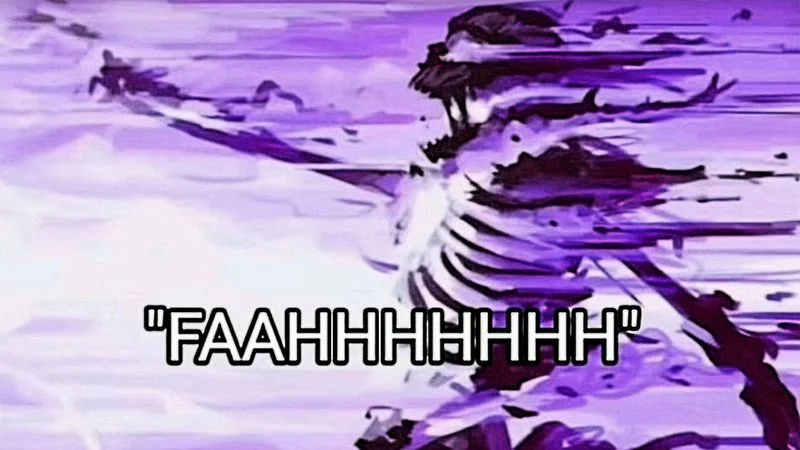
Fahh

2024Sound effect / audio memeactive

Published April 7, 2026

Also known as: Fahhh · Faaah · Faaaahhh · Fah

Fahh is a sound effect meme originating from YouTuber and Twitch streamer Taileons, who recorded a loud, distorted vocal burst sometime in 2024. The sound, a roughly one-second exclamation that lands somewhere between a shout and an exasperated sigh, went viral on TikTok in late August and September 2025 after creators began remixing it into fail compilations, sports edits, and accuracy reenactment videos. With no actual words to translate, the sound became a universal audio punchline for shock, frustration, and minor disaster.

Overview

Fahh, a short, distorted vocal burst lasting just over one second. It's not a word in any language. It sounds like someone tried to yell "fuck" mid-stubbed-toe and the audio clipped on the way out1. The noise carries a specific emotional register: pure, compressed frustration, the kind you'd hear from a dad who stepped on a LEGO at 2 AM and is trying not to wake the house2.

What makes the sound so effective as meme material is its blankness. There's no lyric to parse, no setup, no punchline. It's raw reaction noise, which means creators can drop it over literally anything: a gaming fail, a sports highlight, a raccoon on a motorbike2. The sound functions as an audio exclamation point, a sonic stamp that says "everything just went sideways" without needing a single word of context4.

Origin & Background

Platform
YouTube / Twitch (source audio), TikTok (viral spread)
Key People
Taileons, @premiumtai
Date
2024 (recorded), 2025 (viral spread)

Taileons, a YouTuber and Twitch streamer, recorded the original "fahh" sound sometime in 20245. He used it casually throughout his content that year and into 2025, treating it as a recurring vocal bit in his streams and TikTok videos1. The exact recording date and circumstances are unclear, though the sound appears to derive from an exaggerated pronunciation of "fuck"5.

The clip's journey toward mass virality began on July 7, 2025, when TikToker @premiumtai posted a video of Taileons scrolling through content on his phone. The video opens with what seems to be the original recording of the noise5. That post picked up over 1.6 million views in two months4. On September 8, 2025, Taileons himself posted a video on TikTok explaining the sound effect's origins, confirming the 2024 recording date and collecting over 4 million views5.

How It Spread

The fahh sound crossed from niche streamer clip to full TikTok trend in a compressed window during late August and September 2025.

On August 16, 2025, TikToker @goat_guy49 posted an edit that remixed the fahh sound into Juicy J's track "Riley," syncing the scream to the beat. That video hit 1.1 million views within a month and became one of the key accelerants for the sound's spread5. By August 28, TikToker @faizocrew had spliced the sound over Tekken gameplay footage, racking up over 720,000 views in two weeks5. That same day, @daddy_mccool69 dropped a SpongeBob image macro in the comments showing the character yelling "FAH" at Mr. Krabs, picking up over 2,500 likes5.

September brought the real explosion. On September 1, @masonneditz posted an edit layering the sound over football highlights, pulling 3.4 million views in 10 days1. Then on September 4, @whoisjahi uploaded an accuracy reenactment video, mimicking the fahh with precise vocal fidelity. That video hit 7.6 million views in a single week and became the trend's defining viral moment4.

The accuracy reenactment format took off fast. People filmed themselves trying to replicate the exact timbre and distortion of the original scream, rating each other's attempts like vocal auditions2. Alongside the reenactments, remix culture kicked in hard: creators synced the sound to beat drops, spliced it into movie edits, and looped it into 10-hour videos for no discernible reason3. A dedicated track by Juicy J called "Riley Faaahhh Remix" emerged, turning fail compilations into rhythm-driven edits where every fahh landed on the beat2.

The sound spread beyond TikTok to Discord, Instagram, X, and Reddit1. Because the audio carries zero linguistic content, it crossed language barriers without friction. A teacher reportedly went viral for noting it had become "one of the most-used words in my classroom"2. By late 2025, mainstream outlets were running headlines asking why everyone was suddenly yelling "FAAAAHHH"3.

Frequently Asked Questions