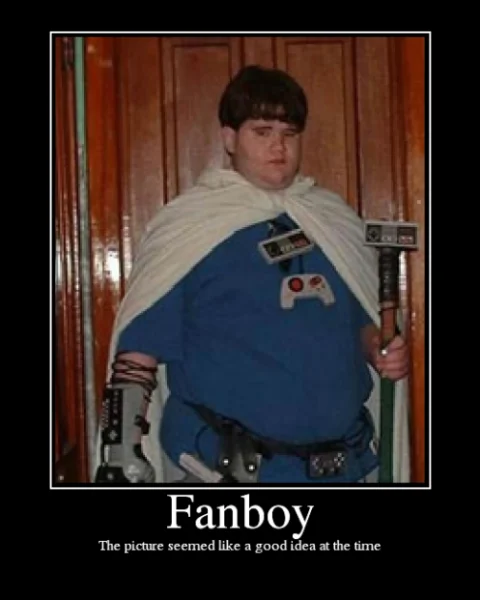
Fanboys
Published August 12, 2026
Fanboys (and the feminine fangirls) are labels for people who take fandom to obsessive levels, born as the title of a 1973 underground comic zine by Jay Lynch and Glenn Bray and later reborn online as a go-to insult in tech and gaming flame wars.
Overview
Fanboy (and its feminine counterpart fangirl) are labels for people who take a fandom to obsessive levels, whether the object is comics, video games, tech brands, or pop stars1. The word cuts both ways online. Some fans use it to mark themselves as diehards, while critics use it as an insult for anyone whose enthusiasm crosses into blind loyalty1. In tech circles especially, calling someone an "Apple fanboy" or "Xbox fanboy" is standard shorthand for accusing them of tribal bias1.
The label got tied to the "console wars" and platform tribalism that took off online in the late 1990s, but the term itself is older. Merriam-Webster traces "fan boys" as two words to a 1919 baseball passage6, while the modern one-word spelling with its edge of mockery traces back to underground comix in the 1970s3.
Gallery
Origin & Background
How It Spread
How to Use This Meme
The label typically lands either as self-identification or as a jab, and context decides which. Fans who call themselves "Apple fanboys" or "Marvel fanboys" often mean it with pride, marking themselves as more invested than the average consumer. Used against someone in an argument, it's meant to suggest their opinion is emotional rather than analytical, which is why it's such a common move in gaming, tech, and film debates1. The feminine variant "fangirl" tends to show up more often in music and celebrity fandoms, especially around K-pop and Justin Bieber discussions4.
Cultural Impact
Fun Facts
The original 1973 "Fanboy" zine had a print run of only eleven copies, handed out at the Chicago Comic and Nostalgia Convention4.
The word grew out of an earlier 1960s insult, "funboy," coined by Tallahassee publisher Bill Killeen for critics of his magazine The Charlatan3.
Merriam-Webster's earliest cited use of "fan boys" is a 1919 passage about young male baseball fans, though that spelling has no direct link to the modern usage6.
Jay Lynch didn't publicly claim authorship of the original zine until his July 2008 blog post, roughly 35 years after it first appeared3.
The term jumped from underground comics into computer culture in 1996, when Usenet posters used it against Bill Gates defenders in a Windows NT thread7.
Frequently Asked Questions
References (7)
- 1
- 2
- 3
- 4
- 5
- 6
- 7