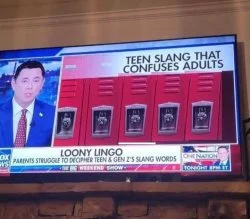
Gen Z Slang Confusion
Published March 10, 2026 · Updated March 18, 2026
Also known as: ASL As Hell Slang · Zoomer Slang Confusion
Gen Z Slang Confusion refers to the wave of memes and online discourse sparked by younger internet users repurposing established abbreviations and creating new slang that baffles millennials and older generations. The most prominent example is "asl," which Gen Z uses to mean "as hell" instead of its original chatroom meaning "age, sex, location." The confusion first surfaced on Twitter in 2018 and exploded on TikTok in 2020, generating a steady stream of jokes about the generational language gap online2.
Overview
The Gen Z Slang Confusion meme centers on the disconnect between how different generations interpret the same internet abbreviations. The flagship example is "asl," which for anyone who used AOL Instant Messenger or early chatrooms meant "age, sex, location," a standard greeting to find out who you were talking to. Gen Z flipped it into an intensifier meaning "as hell," as in "I'm tired asl." When millennials and Gen X users encounter this newer usage, the result is genuine bewilderment and a rich vein of comedy2.
The meme extends beyond just "asl" to the broader pattern of Gen Z coining or redefining slang terms like "cheugy," "no cap," and "bussin," then watching older people struggle to keep up1. The humor cuts both ways: younger users mock older people for not knowing the lingo, while older users post incredulous reactions to what they see as needless reinvention of perfectly good words.
Gallery
Origin & Background
How It Spread
Platforms
Timeline
2023-01-15
First appears
2023-06-01
Goes viral
2024-01-01
Continues in use
2025-01-01
Gen Z Slang Confusion is still actively used and shared across platforms
How to Use This Meme
The Gen Z Slang Confusion meme typically plays out in a few formats:
The bewildered reaction post: Share a screenshot or quote of Gen Z slang usage, then add your confused millennial/Gen X reaction. Example: screenshot of "I'm hungry asl" followed by "Why does this person want to know my age, sex, and location because they're hungry?"
The generational translator: Make a side-by-side comparison showing what the same abbreviation means to different age groups. "asl" in 2005: "age/sex/location?" vs. "asl" in 2022: "as hell."
The vocabulary test: List several Gen Z slang terms and react to them, often filming yourself learning what they mean in real time. TikTok creators commonly film older family members encountering terms like "no cap," "bussin," or "cheugy" for the first time.
The defensive clapback: Gen Z users respond to the confusion by doubling down, using even more slang or mocking older generations for being out of touch.
Cultural Impact
Fun Facts
The Twitter user who first documented the "asl" confusion, @PipeDownYo, said he'd been confused by the term "for a while now" before posting in June 2018, meaning the slang shift was likely happening in DMs and group chats even earlier2.
Urban Dictionary's "asl = as hell" entry from 2018 accumulated over 850 likes, but also 170 dislikes from users who rejected the new meaning2.
The word "LOL" took from 1989 to 2011 to make it into the Oxford English Dictionary3. Gen Z slang terms often go from coinage to mainstream explainer articles in under a year.
"ASL" in uppercase still primarily refers to American Sign Language in formal contexts, adding a third layer of potential confusion to the abbreviation1.
Derivatives & Variations
"Cheugy" discourse:
TikToker Hallie Cain's March 2021 video defining "cheugy" as the opposite of trendy spawned its own confusion cycle, with millennials debating whether the term was itself cheugy[1].
"No cap" confusion:
Similar generational misreadings of the Gen Z intensifier meaning "no lie" or "for real."
Gen Z vs. Millennial vocabulary battles:
TikTok duet chains where users from different generations translate each other's slang in real time[2].
Reverse confusion memes:
Gen Z creators pretending not to understand millennial-era terms like "on fleek" or "YOLO" as a comedic inversion[2].
Frequently Asked Questions
References (3)
- 1
- 2Gen Z Slang Confusion - Know Your Memeencyclopedia
- 3LOLencyclopedia