Climate Change Anxiety

2018Genre / reaction image / text postactive

Published March 10, 2026 · Updated March 23, 2026

Also known as: Eco-Anxiety Memes · Climate Doom Memes · Climate Doomer Memes

Climate change anxiety memes are a broad genre of internet humor built around eco-anxiety, climate doom, and the emotional whiplash of knowing the planet is warming while watching political and corporate inaction. The format took off in the late 2010s as younger internet users channeled genuine fear about environmental collapse into dark comedy, absurdist edits, and reaction images. These memes sit at the intersection of mental health humor and political frustration, often responding directly to climate change denial campaigns that have muddied public understanding of the science for decades1.

Overview

Climate change anxiety memes express the dread, dark humor, and frustrated resignation that comes from living through a slow-motion environmental crisis. The format ranges from simple text posts ("love being 25 and wondering if I'll get to retire or if the ocean will swallow my city first") to image macros repurposing classic templates like "This Is Fine" or Wojak's Doomer character. What ties the genre together is a specific emotional register: the memes acknowledge climate science as settled fact while treating societal inaction as absurd comedy material.

The humor often targets the gap between scientific consensus on human-caused climate change and the organized denial campaigns that have stalled meaningful policy action1. Fossil fuel companies spent decades suppressing climate research and funding think tanks to manufacture doubt, a strategy directly compared to the tobacco industry's earlier playbook1. For meme creators raised on this knowledge, the comedy comes from the cognitive dissonance of watching adults debate whether fire is hot while the house burns down.

Climate change anxiety as a distinct meme genre crystallized around 2018-2019, though individual climate jokes existed long before. The genre's emergence tracked closely with several real-world developments: the IPCC's 2018 report warning of catastrophic warming by 2030, the rise of Greta Thunberg's school strike movement, and growing mainstream coverage of climate science.

The meme genre didn't have a single creator or viral moment. It grew organically across Twitter, Tumblr, and Reddit as Gen Z and younger Millennial users began processing genuine eco-anxiety through humor. The underlying frustration had been building for years. Climate change denial, driven by fossil fuel lobby funding and ultraconservative think tanks, had kept the issue politically paralyzed in the United States and elsewhere1. Over 90% of papers skeptical of climate change originated from right-wing think tanks1, creating a manufactured "debate" that younger internet users found both infuriating and darkly funny.

Origin & Background

Platform
Twitter, Tumblr, Reddit (multi-platform)
Creator
Unknown
Date
~2018

Climate change anxiety as a distinct meme genre crystallized around 2018-2019, though individual climate jokes existed long before. The genre's emergence tracked closely with several real-world developments: the IPCC's 2018 report warning of catastrophic warming by 2030, the rise of Greta Thunberg's school strike movement, and growing mainstream coverage of climate science.

The meme genre didn't have a single creator or viral moment. It grew organically across Twitter, Tumblr, and Reddit as Gen Z and younger Millennial users began processing genuine eco-anxiety through humor. The underlying frustration had been building for years. Climate change denial, driven by fossil fuel lobby funding and ultraconservative think tanks, had kept the issue politically paralyzed in the United States and elsewhere1. Over 90% of papers skeptical of climate change originated from right-wing think tanks1, creating a manufactured "debate" that younger internet users found both infuriating and darkly funny.

How It Spread

The meme genre spread across platforms in overlapping waves. On Twitter, climate anxiety posts gained traction through quote-tweet chains where users would stack increasingly absurd reactions to climate news headlines. Tumblr's ecosystem favored longer text posts mixing genuine despair with deadpan humor. Reddit communities like r/collapse, r/climatememes, and r/2meirl4meirl became hubs for the format.

By 2019-2020, the genre had absorbed several existing meme formats. The "This Is Fine" dog (originally by KC Green) became a go-to climate anxiety reaction. Wojak's Doomer variant got repurposed for climate-specific despair. The "How it started / How it's going" template saw heavy use comparing cheerful childhood nature documentaries with present-day wildfire footage.

The COVID-19 pandemic briefly shifted attention in 2020, but record-breaking wildfire seasons, heat waves, and flooding events kept the meme genre fed with raw material. Each new climate disaster brought a fresh wave of "well, this is normal" and "we're so back (we are not back)" style posts.

The memes also functioned as a direct counter-narrative to climate change denial. Where industrial and political interests organized campaigns to undermine public trust in climate science1, climate anxiety memes took the opposite approach: treating the science as so obviously settled that denying it became the punchline. Oil companies had published research in the 1970s that broadly agreed with the scientific community's view on climate change before pivoting to decades of organized disinformation1. Meme creators seized on these revelations, turning leaked internal documents and corporate hypocrisy into shareable content.

Platforms

TwitterTwitterReddit

Timeline

2023-01-15

First appears

2023-06-01

Goes viral

2024-01-01

Continues in use

2025-01-01

Climate Change Anxiety is still actively used and shared across platforms

View on Google Trends

How to Use This Meme

Climate change anxiety memes typically follow a few common patterns:

1

The doom scroll reaction: Screenshot a real climate news headline, then add a reaction image or caption expressing resigned acceptance. Popular reaction images include "This Is Fine" dog, the Elmo fire background, or a Doomer Wojak.

2

The generational complaint: Write a text post contrasting normal life milestones (buying a house, having kids, retirement planning) with climate projections for the same timeframe.

3

The denial callout: Pair a climate fact with the absurdity of ongoing political inaction. Often uses the Drake format, galaxy brain, or clown makeup progression.

4

The dark acceptance: Post something cheerful or mundane with a casual mention of environmental collapse treated as background noise. "Going to the beach this weekend if the beach is still there lol" energy.

Create Your Own

Cultural Impact

Climate anxiety memes crossed into mainstream awareness as major news outlets began covering eco-anxiety as a mental health trend. The American Psychological Association recognized climate anxiety as a legitimate psychological response, and therapists reported increased climate-related distress among young patients. The memes both reflected and amplified this trend, giving people a shared language for an emotion that previously felt isolating.

The genre also became a flashpoint in online climate discourse. Climate change denial campaigns, which had long relied on creating an illusion of scientific controversy where none existed1, found themselves facing a generation that treated denial itself as absurd content. The Committee for Skeptical Inquiry had already called on media to stop misusing the term "skepticism" for what was actually denial1, and climate memes enforced this distinction through mockery rather than argument.

Corporate social media accounts occasionally attempted to co-opt the format, with mixed results. When brands with significant carbon footprints posted climate-themed memes, the response was usually swift backlash.

Fun Facts

Oil companies' own research from the 1970s broadly matched the scientific consensus on climate change, but the industry pivoted to funding organized denial campaigns for decades1.

Some of the same PR operatives who ran climate denial campaigns previously worked on the tobacco industry's denial of smoking hazards1.

The term "climate skeptic" is technically a misnomer since scientific skepticism is already built into the scientific method. The Committee for Skeptical Inquiry asked media to use "denier" instead1.

More than 90% of academic papers skeptical of climate change have been traced back to right-wing think tanks rather than independent research1.

Derivatives & Variations

Climate Doomer Wojak:

A variation of the Doomer Wojak specifically associated with environmental despair, often shown reading IPCC reports or watching nature documentaries[1].

"This Is Fine" climate edits:

KC Green's "This Is Fine" dog redrawn or photoshopped into wildfire, flood, or heat wave contexts[1].

Corporate climate hypocrisy memes:

A sub-genre targeting oil companies specifically, drawing on revelations that fossil fuel firms knew about climate change in the 1970s but funded denial campaigns for decades afterward[1].

Greta Thunberg reaction memes:

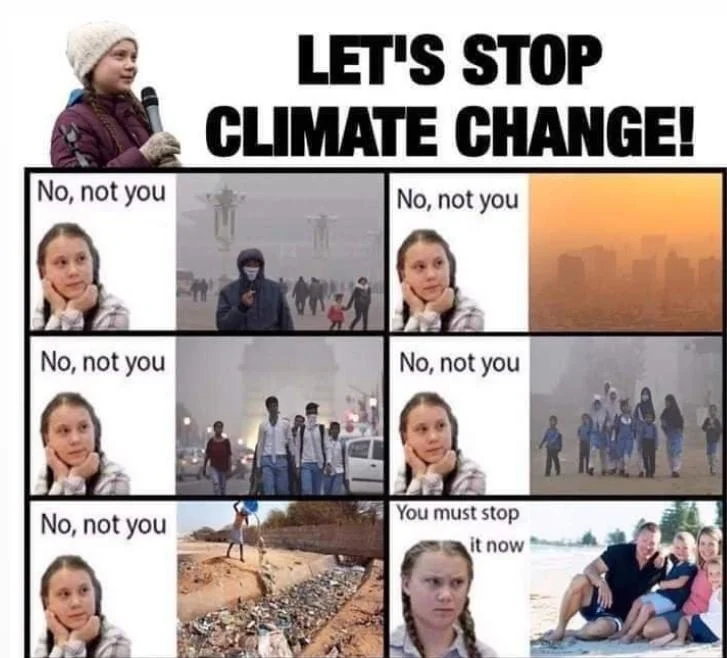
Image macros and video edits using Thunberg's speeches and facial expressions as reaction content for climate news[1].

Frequently Asked Questions

References (1)

  1. 1