Gif
Published August 24, 2026
The GIF (Graphics Interchange Format) is a bitmap image file released by CompuServe on June 15, 1987 that supports short looping animations. It moved from GeoCities-era clip art to the reaction-image language of Tumblr, Twitter, and every modern chat app.
Overview
The GIF, short for Graphics Interchange Format, is a bitmap image file that supports up to 8 bits per pixel and a palette of up to 256 colors per frame, and it can chain multiple frames together into a short looping animation4. It's the format behind the tiny silent clips that fill comment sections, group chats, and reaction threads across the internet3. Because it's lossless and compressed, it handles flat graphics, logos, and cartoons cleanly, but struggles with the wider color range of a photograph1.
For a stretch of the mid-1990s and 2000s the GIF was treated as a punchline, tied to spinning 'under construction' signs and dancing hamsters plastered across GeoCities pages4. It re-emerged in the 2010s as a shorthand for emotional reactions online, powering Tumblr fandoms, Twitter replies, and the built-in GIF pickers in Facebook Messenger, iMessage, and Slack3.
Gallery
Origin & Background
How It Spread
How to Use This Meme
Making a GIF usually means either exporting frames from a short video clip or drawing them frame by frame, then setting a delay between frames and a loop option3. Mobile-era apps like Cinemagram, 3Frames, and GIFShop popularized the workflow by letting people rip a YouTube clip into a GIF from a phone3. Most casual users never make one from scratch and instead pick a reaction clip from libraries like GIPHY or Tenor through the GIF button built into Messenger, iMessage, and Slack4.
Cultural Impact
Fun Facts
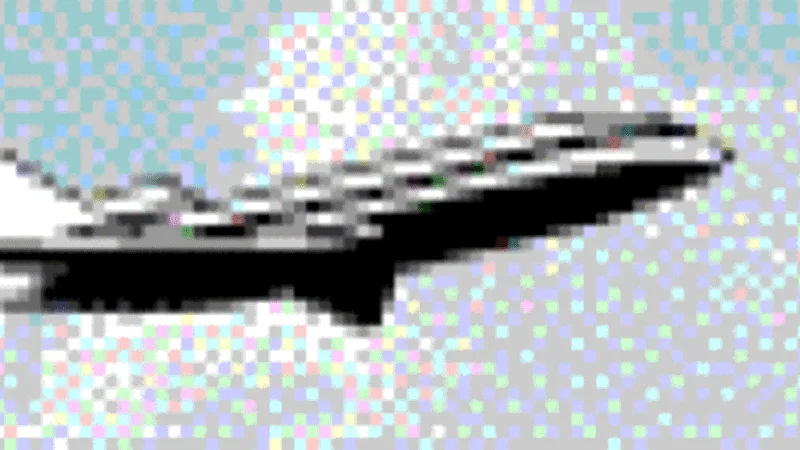
The first GIF ever produced was reportedly a picture of an airplane, according to inventor Steve Wilhite1
Wilhite argues the correct pronunciation is 'jif' like the peanut butter, and cites a 1997 Graphics File Formats FAQ as backup1
GIF replaced an older black-and-white run-length encoding (RLE) format that CompuServe used for images over dial-up1
Cornell University has preserved animated GIF art by early web artist Olia Lialina3
A pixel-art newsletter called 'GIF News' was distributed over BBSes starting around 1988, years before the web hit the mainstream6
Frequently Asked Questions
References (7)
- 1
- 2
- 3
- 4
- 5
- 6
- 7