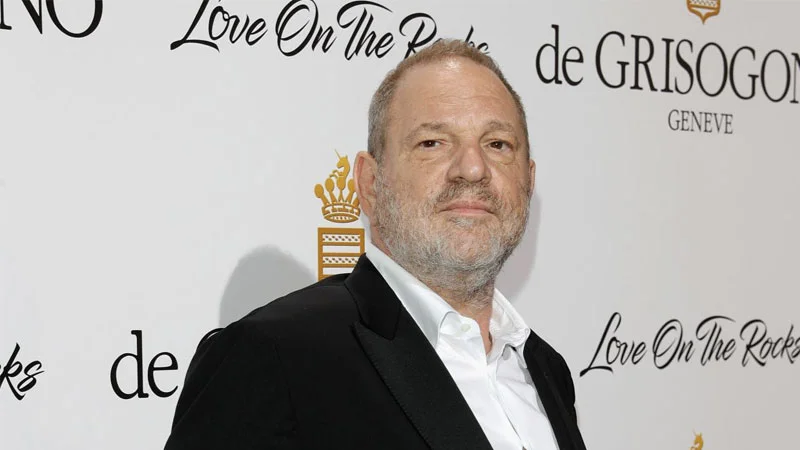
Harvey Weinstein Sexual Abuse Cases
Published August 27, 2026
Harvey Weinstein Sexual Abuse Cases refers to the October 2017 series of harassment and assault accusations against the Hollywood film mogul, first reported by The New York Times and The New Yorker. The reporting led to Weinstein's firing within days and set off a chain of related exposés across entertainment, media, and politics that became known as the Weinstein Effect.
Overview
Harvey Weinstein Sexual Abuse Cases picked up momentum on October 5, 2017 with a New York Times report by Jodi Kantor and Megan Twohey that documented decades of harassment complaints against the film executive and at least eight legal settlements paid to accusers1. Five days later, Ronan Farrow's New Yorker investigation stepped the story into criminal territory with on-the-record accounts from thirteen women, including actress Asia Argento, who said Weinstein forcibly performed oral sex on her2. By October 8, 2017, Weinstein had been fired from The Weinstein Company, the studio he co-founded1.
The reporting worked as a public template that other outlets and accusers copied through late 2017 and 2018. Actresses, models, and production staff started naming other executives, directors, actors, and news anchors, and the pattern picked up the shorthand "Weinstein Effect"4. The story also pushed the #MeToo hashtag from a niche organizing tool into a mainstream news cycle and put Hollywood's use of non-disclosure agreements under sustained public inspection3.
Gallery
Origin & Background
How It Spread
How to Use This Meme
Harvey Weinstein Sexual Abuse Cases are typically referenced online as a shorthand for the moment Hollywood's harassment silence broke. Writers often pair the October 5, 2017 New York Times story with the October 10 New Yorker follow-up as the joint starting point of the modern accountability wave2. On Twitter and in commentary pieces, the case is often cited alongside the Weinstein Effect when a new set of accusations lands against a powerful figure in film, television, media, or politics4.
Cultural Impact
Fun Facts
Ronan Farrow spent about ten months developing the New Yorker piece at NBC News before the network declined to air it3
Rose McGowan's brief Twitter lockout came from posting a private phone number, according to Twitter's official statement to reporters7
The Weinstein casting-couch sculpture used a face cast of a friend of the artists, which was then molded by Ginger to match Weinstein's features9
The New York jury that convicted Weinstein in February 2020 deliberated for five days before returning the split verdict4
Rose McGowan received a reported $100,000 settlement from Weinstein in 1997 stemming from an incident during the Sundance Film Festival3
Derivatives & Variations
"Weinstein Effect", the shorthand for the widening set of harassment accusations against other Hollywood, media, and political figures that followed October 2017[4]
Casting-couch gold statue of Weinstein installed by Plastic Jesus and Ginger on Hollywood Boulevard days before the 2018 Oscars[9]
Keith Urban's response song "Female" (2017), widely mocked on release[8]
Frequently Asked Questions
References (9)
- 1
- 2
- 3
- 4
- 5
- 6
- 7
- 8
- 9