Internet Death Hoaxes
Published March 24, 2026
Also known as: Celebrity death hoaxes · fake celebrity deaths · RIP hoaxes
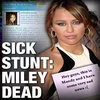
Internet death hoaxes are false reports of a celebrity or public figure's death that spread virally across social media platforms like Twitter, Facebook, and YouTube. The practice dates back to at least the 1960s "Paul Is Dead" Beatles conspiracy but exploded in the social media age starting around 2010, when a fake Morgan Freeman death tweet fooled millions. From RIP hashtag campaigns and fabricated news articles to elaborate AI-generated obituaries, death hoaxes feed on the speed of online sharing and the human impulse to publicly mourn, making them one of the most persistent forms of internet misinformation.
Overview
Internet death hoaxes are unfounded rumors or deliberately fabricated reports claiming a famous person has died, spread through social media, fake news websites, and manipulated Wikipedia pages2. The hoaxes typically follow a predictable pattern: a false claim appears on one platform, gets picked up and shared by users who believe it, trends as an RIP hashtag, and then gets debunked by the celebrity themselves, their representatives, or fact-checking organizations5.
The hoaxes come in several flavors. Some originate from dedicated fake news generators that produce realistic-looking articles5. Others start as simple tweets or Facebook posts that snowball through shares and retweets3. A few are accidental, born from confusing hashtags or premature obituaries published by legitimate news outlets6. And in recent years, AI-generated obituary videos and articles have added a new, more sophisticated layer to the problem4.
What makes death hoaxes so effective is their exploitation of emotional urgency. People share RIP messages before verifying because they want to be among the first to acknowledge a loss, creating what researchers call "viral performativity" around public mourning5.
Gallery
Origin & Background
How It Spread
How to Use This Meme
Internet death hoaxes aren't a "meme template" that people use for creative expression. They're a recurring pattern of misinformation. That said, the format typically follows predictable steps:
A false claim appears, often styled to look like breaking news from a legitimate outlet (CNN, TMZ, etc.)
The claim spreads through RIP hashtags on Twitter or memorial pages on Facebook
Fans share the news emotionally before fact-checking
The celebrity, their representatives, or fact-checkers debunk it
A wave of meta-commentary and jokes follows
Cultural Impact
Full History
Fun Facts
Bill Cosby holds the unofficial record for most fake deaths, with at least five separate hoax incidents targeting him3.
Jeff Goldblum, Natalie Portman, Tom Hanks, and Dwayne Johnson were all "killed" by falling off the same cliff in New Zealand in separate hoaxes spanning different years36.
Morgan Freeman responded to one of his many death hoaxes by paraphrasing Mark Twain on Facebook: "Like Mark Twain, I keep reading that I have died. I hope those stories are not true"3.
Tommaso Debenedetti, the Italian teacher behind numerous death hoaxes, was praised by Nobel laureate Mario Vargas Llosa as "a hero of our times"5.
PewDiePie's video covering the Ninja/ligma death hoax reached over five million views within 24 hours of upload7.
Derivatives & Variations
RIP Hashtag Hoaxes:
The simplest form, where a trending #RIP[CelebrityName] hashtag on Twitter creates mass confusion, as happened with Paul McCartney, Drake, and Eddie Murphy[1][6].
Fake News Generator Hoaxes:
Automated tools like Rich Hoover's "Fake a Wish" allowed anyone to generate realistic-looking death articles attributed to Global Associated News[5].
Wikipedia Death Edits:
Malicious edits to celebrity Wikipedia pages, most notably the 2007 Sinbad hoax that was widely believed due to Wikipedia's growing credibility[3].
Ligma-Style Bait Hoaxes:
The 2018 Ninja death hoax was designed specifically to get the target to ask a question that completed a vulgar joke, spawning its own meme ecosystem[7].
AI Obituary Hoaxes:
Emerging in 2024, these use AI-generated text and video to create elaborate fake obituaries with fictional journalists and news-desk presentations[4].
Accidental Hashtag Deaths:
Not deliberate hoaxes but misreadings of trending topics, like #NowThatchersDead being read as "Now That Cher's Dead"[3].
Satirical Death Headlines:
Clickbait that plays on death hoax expectations, like Empire News' Betty White "Dyes Peacefully" pun article[10].
Scam Funnel Hoaxes:
Fake death claims on YouTube designed to redirect viewers to CBD product pitches or phishing schemes[5].
Frequently Asked Questions
References (23)
- 1
- 2
- 3
- 4Internet Death Hoaxes - Know Your Memeencyclopedia
- 5List of Internet phenomenaencyclopedia
- 6
- 7
- 8
- 9
- 10
- 11
- 12
- 13
- 14
- 15
- 16Celebrity Newsarticle
- 17
- 18Celebrity Newsarticle
- 19
- 20
- 21
- 22
- 23