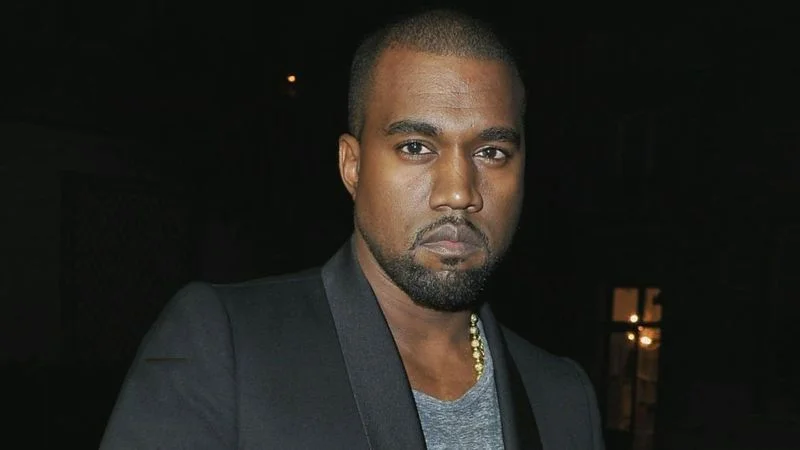
Kanye West

2005personactive

Published September 3, 2026

Kanye West is an American rapper and producer whose outbursts, controversial statements, and erratic social media behavior have generated countless internet memes since 2005. His off-script declaration that "George Bush doesn't care about black people" during a Hurricane Katrina telethon and his infamous 2009 interruption of Taylor Swift's VMA acceptance speech spawned two of the most iconic meme formats of the 2000s. Over the following years, his Twitter presence, political stances, and unpredictable public appearances kept him at the center of internet culture.

Overview

Kanye West, who legally changed his name to Ye in 2021, functions as a meme subject rather than a single format. His unfiltered public statements and social media activity have produced multiple exploitable templates and catchphrases over two decades. The "Imma Let You Finish" format involves interrupting someone's statement to redirect attention, mimicking his 2009 VMA behavior1. His tweets from 2010 onward became legendary for their bizarre philosophical observations, delivered entirely in capital letters, which were later embroidered, set to music, and paired with New Yorker cartoons2.

The rapper's meme appeal stems from his unpredictability and self-confidence. Whether declaring his presidential ambitions, praising controversial political figures, or posting cryptic messages about dragon energy and goblets, West consistently provided raw material for internet commentary3. His 2018 return to Twitter particularly energized meme creators, as his praise for Candace Owens and Donald Trump generated intense reactions across the political spectrum4.

West's mental health disclosures added complexity to his internet persona. His 2018 album "Ye" featured a cover stating "I hate being Bi-Polar it's awesome," which he photographed on his iPhone en route to the album's Wyoming listening party5. This openness about bipolar disorder reframed some of his erratic behavior while simultaneously generating new meme content about the intersection of creativity and mental health.

Origin & Background

Platform
Television / Twitter
Creator
Kanye West
Date
2005

Kanye West's first viral moment occurred on September 2, 2005, during NBC's "A Concert for Hurricane Relief" telethon6. Standing beside actor Mike Myers, West departed from the teleprompter to criticize media coverage of Black survivors and the federal response to Hurricane Katrina, culminating in the declaration "George Bush doesn't care about black people"7. The statement aired live on the East Coast before NBC cut away, and President Bush later called it one of the lowest points of his presidency8. The clip spread across early video-sharing platforms and became the 25th best viral video of the 2000s according to Complex9.

West's second defining meme originated on September 13, 2009, at the MTV Video Music Awards1. During Taylor Swift's acceptance speech for Best Female Video, West walked onto the stage, took her microphone, and declared that Beyoncé "had one of the best music videos of all time." The incident immediately spawned the "Imma Let You Finish" snowclone on 4chan, where users applied the interruption format to countless subjects10. The moment defined both artists' public narratives for years and was referenced when Swift presented West with the Video Vanguard Award in 201511.

How It Spread

Following the 2009 VMA incident, "Imma Let You Finish" became one of the first major meme formats of the social media era. The template appeared across 4chan boards within hours and migrated to mainstream platforms over the following weeks10. The format typically shows West interrupting any situation to declare something else superior, adaptable to sports debates, product preferences, and political arguments.

West joined Twitter on July 28, 2010, after previously railing against the platform in an all-caps blog post stating "I DON'T HAVE A FUCKING TWITTER... WHY WOULD I USE TWITTER???"12. His arrival was covered by TechCrunch, The Awl, Entertainment Weekly, and TIME1314. West's early tweets about goblets, 19th century art, and cryptic life observations became immediate meme fodder. When he followed a single random teenager from England named Steven Holmes, calling him "the chosen one," Holmes asked to be unfollowed within a week due to overwhelming attention15.

On January 4, 2012, West posted 85 tweets over three hours outlining plans for his company DONDA, gaining 23,000 followers in days16. Tribute projects to his tweets proliferated on Tumblr, including "Kanye'd By The Bell" (pairing his lyrics with Saved by the Bell screenshots), "Kanye Plus Comics," and "Kanye Wes Anderson" (matching lyrics to Wes Anderson film stills)9. Etsy sellers embroidered his tweets, Josh Groban sang them on Jimmy Kimmel, and the Huffington Post created a slideshow pairing them with New Yorker cartoons2.

West's 2018 Twitter return generated massive controversy when he praised conservative commentator Candace Owens and posted photos wearing a MAGA hat alongside tweets about "dragon energy" with Donald Trump4. His January 2016 feud with Wiz Khalifa, triggered when West misinterpreted "KK" (Khalifa Kush marijuana) as a reference to Kim Kardashian, resulted in 27 deleted tweets and an eventual public apology17. At the 2015 VMAs, his announcement that he would run for president in 2020 trended worldwide with the hashtag #KanyeForPresident used over 12,000 times on Instagram11.

How to Use This Meme

The "Imma Let You Finish" format typically places West's interruption into any context where one thing is being praised only to redirect to something the speaker considers superior. Users commonly screenshot or recreate the image of West holding a microphone with captions like "Yo [X], I'm really happy for you, Imma let you finish, but [Y] is the best [category] of all time." The format works for both sincere opinions and ironic commentary.

Kanye tweets are often repurposed by screenshot sharing, with users adding reactions or creating thread compilations. His all-caps typing style is frequently imitated for comedic effect. The approach involves stating bold, self-aggrandizing declarations or bizarre philosophical observations as if they were obvious truths.

Frequently Asked Questions

References (19)

  1. 1
  2. 2
  3. 3
  4. 4
  5. 5
  6. 6
  7. 7
  8. 8
  9. 9
  10. 10
  11. 11
  12. 12
  13. 13
  14. 14
  15. 15
  16. 16
  17. 17
  18. 18
  19. 19