Lucid Dreaming

1994topicclassic

Published September 5, 2026

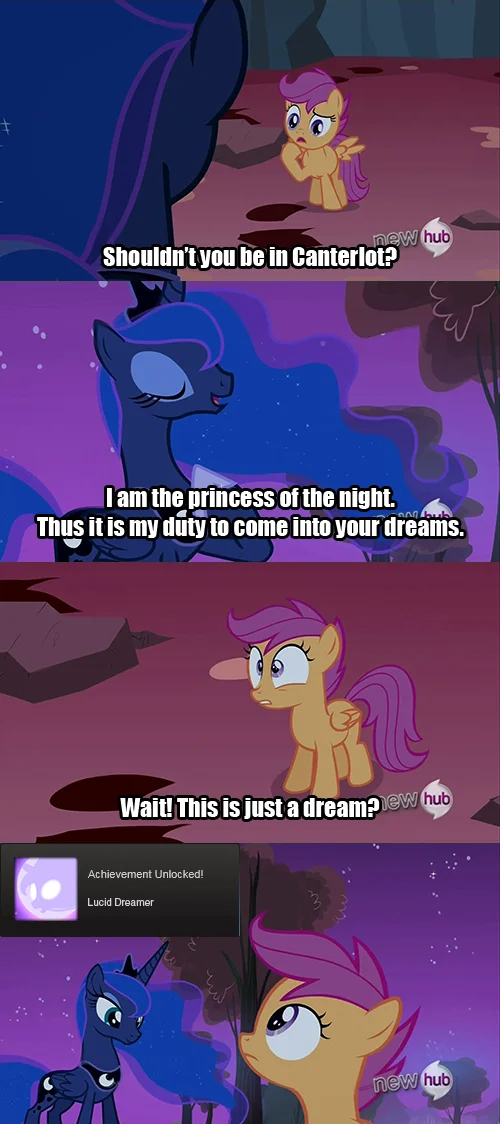
Lucid dreaming is the sleep state where a person becomes aware they are dreaming and can steer what happens next. Online interest built through the 1990s and 2000s with dedicated websites, subreddit communities, and viral YouTube tutorials pulling millions into how-to material, and later spawned image-macro jokes about waking up the second you notice you are inside a dream.

Overview

The internet culture around lucid dreaming splits into two lanes: earnest technique communities and jokes about failing at the practice. On the earnest side, sites like Lucidity, World of Lucid Dreaming, and Lucidipedia built libraries of induction methods such as WILD, MILD, reality checks, and dream journals, and the /r/LucidDreaming subreddit became the main beginner hub for asking how to try it3. On the joke side, image macros treat lucid dreaming as a superpower that vanishes the second the dreamer notices what is happening4.

Later slang from Urban Dictionary reframes the term as "creative mode" for the brain, riffing on the sandbox mode from Minecraft where the player can fly and reshape the world5. That framing captures why the topic kept drawing internet traffic, total control of a private reality without the guardrails of waking life.

Origin & Background

Platform
Website (Lucidity Institute) / Reddit and YouTube (viral spread)
Date
1994

The idea predates the internet by centuries, with roots in Yoga nidra meditation from Hindu and Buddhist traditions. In 1867, French sinologist Marie-Jean-Léon, Marquis d'Hervey de Saint Denys wrote "Dreams And The Ways To Direct Them: Practical Observations," an early scientific study of intentional dream control that later communities pointed back to as a founding text4.

The online community formed on March 19, 1994 when The Lucidity Institute launched its website, offering articles, a mailing list, and technique guides for enthusiasts wanting to induce lucidity themselves. Films like Waking Life, Vanilla Sky, Eternal Sunshine of the Spotless Mind, and later Inception kept the concept in mainstream conversation through the 2000s.

How It Spread

Lucid dreaming picked up online steam through the late 2000s. On March 17, 2008, the World of Lucid Dreaming site went up with video tutorials and technique breakdowns. On December 29, 2008, a Howcast YouTube tutorial on how to lucid dream pulled more than 2.56 million views1. The /r/LucidDreaming subreddit was created on June 16, 2009 and grew past 107,000 subscribers over the next five years3.

Mainstream coverage arrived on June 4, 2010 when Cracked published a piece linking the practice to sleep paralysis, a state where a waking person is briefly frozen and often hallucinates. That article passed 2.5 million reads by March 20144. AsapSCIENCE picked up the topic on October 10, 2012 with an explainer video that hit 3.9 million views in its first two years2.

The trend spilled into hardware in January 2014 when iWinks ran a Kickstarter for Aurora, a headband meant to trigger lucidity with light and sound cues, and it beat its funding goal several times over. Meme culture kept pace, with an "And It's Gone" image macro about becoming aware of a dream and instantly waking up hitting /r/AdviceAnimals in February 2013 and drawing thousands of upvotes.

How to Use This Meme

The joke format typically frames lucid dreaming as a power the user briefly holds and then loses, most often through image macros about noticing the dream and instantly waking up. A newer slang usage compares it to "creative mode" from Minecraft, used as a punchline about someone doing something impossible or absurd5. Serious posts still ask for induction techniques, dream journal tips, and reality-check routines in dedicated subreddits3.

Frequently Asked Questions