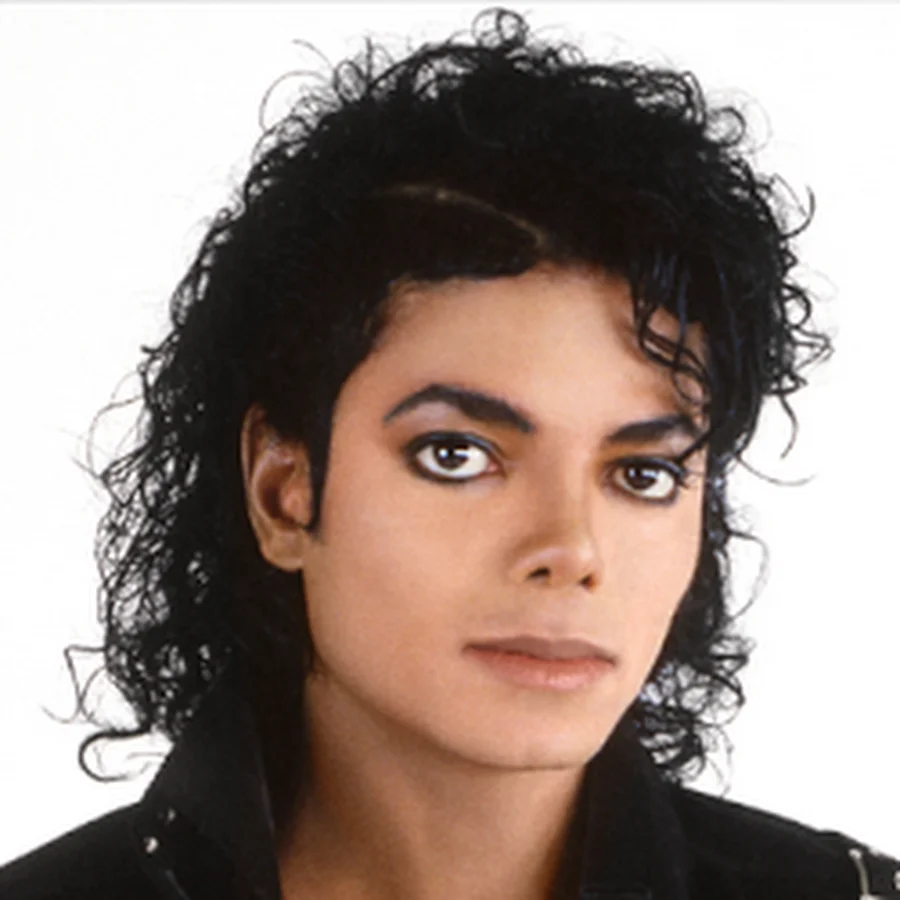
Michael Jackson

2009eventclassic

Published September 6, 2026

When Michael Jackson died on June 25, 2009, the internet effectively broke: Google flagged the surge of search queries as a DDoS attack, Twitter and Wikipedia crashed, and Akamai measured global traffic 11% above baseline. That single afternoon turned MJ tributes, moonwalk clips, and death coverage into one of the earliest modern case studies of a celebrity event overloading the web.

Overview

The Michael Jackson online footprint is less a single meme than a cluster of formats tied to the King of Pop's June 2009 death and his posthumous legacy. That afternoon produced tribute videos, moonwalk parodies, reaction images, and endless remixes of tracks like 'Thriller' and 'Billie Jean' across every major platform1. Instructional dance uploads, notably the Videojug moonwalk tutorial from March 2007, became reference material for years of imitators2.

The format tends to sit in three buckets: earnest tribute (fan edits, concert rips, cover performances), dance parody (moonwalk fails, kid recreations of the 'Thriller' zombie choreography), and dark humor tied to the death, the child molestation allegations, and Jackson's eccentric public image3. Urban Dictionary entries from fans framing him as 'King of Pop, Prince of Philanthropy, Duke of Dance' sit alongside the joke ecosystem, showing how quickly the online tone splits between reverence and irreverence8.

Origin & Background

Platform
TMZ / Reddit (viral spread), YouTube (dance clips)
Date
2009

Sony Music Entertainment launched MichaelJackson.com in 2001 as an interactive Flash portal, giving the artist an early official web presence before most musicians treated the internet as a promotional priority9. The official Michael Jackson YouTube channel followed on June 21, 2005, and built up roughly 7.5 million video views and 590,000 subscribers across its first nine years4. Videojug's moonwalk instructional clip, uploaded March 28, 2007, pulled in over 33.6 million views and 19,800 comments in its first eight years, seeding a long tail of copycat and reaction uploads2.

The trigger for MJ as an internet-scale event was his sudden death on June 25, 2009 at his Los Angeles home. Redditor wacrover posted a link to TMZ's death announcement the same day; the thread picked up more than 4,800 points and 2,300 comments before being archived3.

How It Spread

Traffic that afternoon was heavy enough to warp the web's plumbing. Google initially treated the wave of 'Michael Jackson' queries as a DDoS attack and blocked results for the keyword for around 30 minutes, while Twitter recorded roughly 5,000 tweets per minute mentioning him and both Wikipedia and TMZ went down under load6. Akamai measured worldwide internet traffic 11% above baseline for the day6.

CNET's Tom Krazit and Declan McCullagh openly argued that afternoon over whether the outages meant the internet couldn't handle real-time news, noting that Google News, the Los Angeles Times, TMZ, Yahoo, MSNBC, and CBS Interactive all went sluggish or offline for about half an hour1. Institutional accounts then locked in the fandom: the @michaeljackson Twitter feed launched July 6, 2009 and gathered more than 1.42 million followers over its next five years7, and the official Facebook page went up on December 19, reaching over 75 million likes across its first seven years5.

On YouTube, the dance clips did the long-term work. Moonwalk attempts, 'Thriller' flash mobs, and the choreography from 'Beat It' and 'Smooth Criminal' turned into template material for remix creators, and the estate's official uploads still anchor the top of MJ search results4.

How to Use This Meme

MJ formats typically fall into one of a few well-worn shapes. Dance formats copy a signature move (moonwalk, crotch grab, hat tilt, 'Thriller' zombie shuffle) and swap the setting, often for a stumble or fail punchline. Reaction formats pull frames from the 'Thriller' or 'Bad' videos and pair them with a caption about drama or shock. Tribute formats overlay a Jackson vocal or dance solo with fan-shot footage or new visual edits. When posting death-day retrospectives, creators often reference the exact June 25, 2009 date and the Google DDoS story as shorthand for scale.

Frequently Asked Questions