Momo

2016Urban legend / hoax / reaction imagedead

Also known as: Momo Challenge · Momo Game · Momo Suicide Challenge · Mother Bird

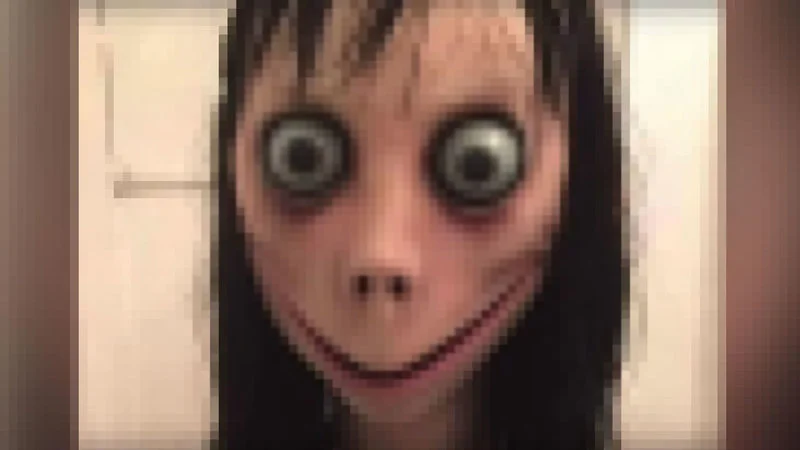
Momo is a 2016 Japanese sculpture by Keisuke Aiso with bulging eyes, a wide grin, and bird-like legs that sparked a debunked suicide-challenge hoax before being reclaimed as an internet meme.

Momo is the nickname for a Japanese sculpture called "Mother Bird" created by artist Keisuke Aiso in 2016, which became the face of a widely reported but largely debunked internet "suicide challenge" hoax between 2018 and 2019. The sculpture's unsettling image, featuring bulging eyes, a wide grin, and bird-like legs, spread across WhatsApp and YouTube through moral panic about children being urged to self-harm. Despite mass media coverage and worldwide parental alarm, investigators and platforms found almost no evidence the challenge was real, and the internet eventually reclaimed the image as meme material.

TL;DR

Momo is the nickname for a Japanese sculpture called "Mother Bird" created by artist Keisuke Aiso in 2016, which became the face of a widely reported but largely debunked internet "suicide challenge" hoax between 2018 and 2019.

Overview

Momo refers to a sculpture of a young woman with long black hair, enormous bulging eyes, a wide toothless grin, and the legs of a bird. The piece was created by Keisuke Aiso of Link Factory, a Japanese special effects company, and displayed at the Vanilla Gallery in Tokyo's Ginza district in 20165. The sculpture was inspired by the Japanese folklore figure of the *ubume*, the ghost of a woman who dies in childbirth1.

After photos of the sculpture circulated online, the image was co-opted into an alleged WhatsApp-based "challenge game" in 2018, where anonymous accounts supposedly messaged children with dangerous instructions. The resulting panic, fueled by breathless news coverage and school warnings, turned out to be far more viral than any actual challenge. Momo became one of the internet's most prominent examples of a moral panic outpacing reality4.

The sculpture that became Momo was built in 2016 by Keisuke Aiso (also written as Aisawa), a 43-year-old special effects artist working at Link Factory, a Japanese company that creates props for horror films and TV shows5. Aiso designed the piece, officially titled "Mother Bird," based on the legend of the *ubume*, a wraith-like bird woman from Japanese folklore said to haunt the area where she died in childbirth1. The sculpture showed a woman's head and naked torso with exaggerated features perched atop a pair of bird legs, standing about one meter tall12.

On August 25, 2016, Instagram user nanaakooo posted the first known photograph of the sculpture8. The following day, Instagram users @ma_kimodo_shi and @j_s_rock posted additional photos8. The images initially circulated without much fanfare, but they caught the attention of Spanish-speaking internet communities, where the sculpture became associated with a phone number that could be added to WhatsApp8.

Origin & Background

Platform
Instagram (source photo), WhatsApp / Reddit (viral spread)
Key People
Keisuke Aiso, nanaakooo
Date
2016 (sculpture), 2018 (viral spread)

The sculpture that became Momo was built in 2016 by Keisuke Aiso (also written as Aisawa), a 43-year-old special effects artist working at Link Factory, a Japanese company that creates props for horror films and TV shows. Aiso designed the piece, officially titled "Mother Bird," based on the legend of the *ubume*, a wraith-like bird woman from Japanese folklore said to haunt the area where she died in childbirth. The sculpture showed a woman's head and naked torso with exaggerated features perched atop a pair of bird legs, standing about one meter tall.

On August 25, 2016, Instagram user nanaakooo posted the first known photograph of the sculpture. The following day, Instagram users @ma_kimodo_shi and @j_s_rock posted additional photos. The images initially circulated without much fanfare, but they caught the attention of Spanish-speaking internet communities, where the sculpture became associated with a phone number that could be added to WhatsApp.

How It Spread

The Momo legend went through two distinct waves of viral spread: the 2018 WhatsApp panic and the 2019 YouTube panic.

July 2018: The WhatsApp Wave

In early July 2018, posts daring users to text certain WhatsApp numbers gained traction among Spanish-speaking Facebook users. The accounts used the Mother Bird photograph as their profile picture. On July 10, Reddit user AlmightySosa00 posted a cropped image of the sculpture to r/creepy, where it pulled in over 4,700 upvotes and 900 comments within two days. YouTuber ReignBot uploaded a video titled "Exploring The Momo Situation" on July 11, which hit 96,000 views within 24 hours. That same day, the image appeared on 4chan's /x/ (paranormal) board.

On July 13, 2018, the Computer Crime Investigation Unit for the Mexican state of Tabasco issued a public warning against interacting with Momo WhatsApp accounts, stating scammers could use them to steal personal data. Reports soon emerged from Argentina, where a 12-year-old girl's suicide in the town of Ingeniero Maschwitz was investigated as potentially linked to the "Momo Game". Police suspected an 18-year-old she had met on social media may have encouraged her, though authorities never confirmed a direct connection to any organized challenge.

February 2019: The YouTube Panic

The second and larger wave hit in late February 2019, when reports claimed Momo had been spliced into children's YouTube videos featuring characters like Peppa Pig and Fortnite gameplay. UK primary schools sent Facebook warnings to parents, and the Police Service of Northern Ireland issued a public advisory. The Daily Mail published a story about an 8-year-old boy whose mother said he had been instructed by a Momo video to put a knife to his neck.

YouTube responded on February 27, 2019: "Contrary to press reports, we've not received any recent evidence of videos showing or promoting the Momo challenge on YouTube". The panic escalated further when Kim Kardashian shared the Momo image with her 145 million Instagram followers, warning parents about the threat.

How to Use This Meme

Momo is not a traditional meme template with a fixed format. Instead, the image gets used in several common ways:

- Jumpscare edits: Creators splice the Momo face into otherwise normal videos for shock value, typically cutting to the image with a loud sound effect. - Photoshop makeovers: Users edit the original sculpture photo to make Momo less scary or more absurd, such as adding makeup, wigs, or fashion accessories. - Reaction image: The Momo face gets used as a general "cursed" or "creepy" reaction image, often paired with captions about encountering something disturbing online. - Ironic reclamation: Some users cast Momo as a relatable or sympathetic character, treating the image as wholesome rather than horrifying.

The meme format is loose. Any creative recontextualization of the Mother Bird image typically qualifies.

Cultural Impact

The Momo panic triggered responses from governments, schools, and tech companies across multiple continents. Mexican state authorities issued formal warnings about data theft. UK schools posted alerts on Facebook and the British government offered guidance to parents. YouTube changed its monetization policies to strip ads from all Momo-related content. WhatsApp reminded users they could block any phone number and report problematic messages.

Child safety organizations like the NSPCC weighed in, and the story received coverage from Rolling Stone, Snopes, CBS News, the Daily Mail, and dozens of other outlets. The episode became a case study in media amplification, with researchers noting that the warnings themselves caused more exposure to the disturbing image than the alleged challenge ever did.

The sculpture also caught Hollywood's attention. Orion Pictures, partnering with the producers behind The Ring and It franchises, announced development of a Momo-inspired horror film in July 2019. The project aimed to explore the Japanese *ubume* folklore underlying the sculpture rather than simply recreating the internet hoax.

Full History

The story of Momo is, at its core, a story about how fear travels faster than facts on the internet.

When Keisuke Aiso created "Mother Bird" for the Vanilla Gallery exhibit in 2016, the piece received almost no attention. "When it was exhibited at the gallery it did not receive much attention, so at the time I was very disappointed," he later told The Sun. The sculpture sat in relative obscurity for nearly two years while its photos drifted through Instagram and Spanish-language internet forums, slowly accumulating an eerie reputation.

The WhatsApp legend that crystallized around the image in mid-2018 followed a familiar template. Users were told to contact "Momo" via an unknown number. After making contact, an anonymous person allegedly ordered increasingly dangerous acts and sent violent images if the target refused. Claims circulated that threats included being "killed in their sleep" or having family members harmed. The format closely mirrored the Blue Whale Challenge, a Russia-based hoax from 2016-2017 that had similarly terrified parents worldwide.

The 2018 wave produced real-world consequences. In Argentina, police investigated the suicide of a 12-year-old girl as potentially connected to the game, with investigators examining her phone for WhatsApp evidence. Deaths of two young men in India and two teenagers in Barbosa, Colombia were also reported as possibly linked, though no definitive connections were documented in any case. As Snopes noted, authorities in Argentina only confirmed the girl "was encouraged by her participation in a viral 'game' rather than a real-life person," leaving the actual mechanism unclear.

The February 2019 explosion dwarfed the original wave. Schools across the UK issued urgent warnings to parents. One school's Facebook post read: "These video clips are appearing on many social media sites and YouTube (including Kids YouTube). One of the videos starts innocently, like the start of a Peppa Pig episode for example, but quickly turn into an altered version with violence and offensive language". The warnings spread faster than anyone could verify them. SuperAwesome, a company running a safe social platform for children under 13, observed that "parents, schools and concerned groups made Momo go viral by creating panic and messaging images and warnings to each other". Their content filters blocked Momo discussions on their PopJam platform, but kids reported talking about "that scary thing" at school.

Cybersecurity experts, child safety organizations, and fact-checkers pushed back hard. YouTuber ReignBot, whose original investigation video had over 2 million views by this point, noted that "finding screenshots of interactions with Momo is nearly impossible and you'd think there'd be more for such a supposedly widespread thing". Technology reporter Larry Magid called the game "likely a hoax". YouTube eventually announced it would demonetize all Momo content, even from legitimate news organizations reporting on the story.

The sculptor himself weighed in. Aiso told The Sun he had already thrown away the rotting sculpture in autumn 2018, weeks before the second panic hit. "It doesn't exist anymore, it was never meant to last," he said. "The children can be reassured Momo is dead, she doesn't exist and the curse is gone". He expressed mixed feelings about the entire affair: "On one hand they have caused me nothing but trouble, but on the other hand as an artist I have a little sense of appreciation that my art piece has been seen across the world". The model had been made from rubber and natural oils and had simply decomposed. All that was left was a single eye he planned to recycle for future work.

Amid the panic, the internet did what it does best: turned fear into humor. By late February 2019, Momo memes flooded Twitter and Instagram. People Photoshopped makeovers onto the image, gave Momo fashionable outfits ("my son momo got the drip"), and recast the character as empowering rather than threatening. One popular tweet joked that "people are only calling the momo challenge a hoax because they love to see powerful women fail". Another declared Momo "the Babadook's sister-in-law".

Hollywood took notice too. In July 2019, Orion Pictures partnered with producer Roy Lee (The Ring, It) and Taka Ichise to develop a horror film inspired by the Momo legend, potentially drawing on the *ubume* folklore rather than just the internet hoax. A separate film called *Getaway*, also inspired by the Momo story, was already in production.

The irony of Momo was noted by virtually every serious analysis of the episode. The media warnings designed to protect children actually amplified the image and legend far beyond anything the original hoaxers achieved. Kids who had never encountered "Momo" searched for the image out of curiosity, found creepy edits and reaction videos, and the cycle fed itself. As one commentator put it, Momo was less an internet threat and more a mirror reflecting how quickly fear spreads in a connected world.

Fun Facts

The name "Momo" means "peach" in Japanese, an unexpectedly cute name for such a terrifying figure.

The Momo legend was practically unknown in Japan despite the sculpture being Japanese. This was partly because Japan uses the Line messaging app rather than WhatsApp.

Aiso said he had "every intention to scare people" with the sculpture but "it wasn't supposed to be used to make children harm themselves".

The only physical remnant of the original sculpture is a single eye that Aiso kept to recycle into a new model.

An early 4chan thread corrected the widespread misattribution of the sculpture, pointing out that Instagram user nanaakooo was not the artist but merely photographed it at the gallery.

Derivatives & Variations

Momo makeover memes

Photoshopped edits giving Momo fashionable clothes, makeup, or non-threatening appearances flooded Twitter in February 2019[3].

"Calling Momo at 3 AM" videos

YouTubers produced paranormal-style challenge videos claiming to contact Momo, racking up millions of views despite being staged entertainment[1].

Momo masks

Physical Momo masks were produced in Mexico and elsewhere, used for Day of the Dead celebrations and Halloween costumes. Sculptor Aiso himself received one as a gift from a friend[5].

Film adaptations

Both the Orion Pictures/Vertigo Entertainment untitled project and the Emagine Content film *Getaway* (2020) drew directly from the Momo legend[7].

Frequently Asked Questions

Momo

2016Urban legend / hoax / reaction imagedead

Also known as: Momo Challenge · Momo Game · Momo Suicide Challenge · Mother Bird

Momo is a 2016 Japanese sculpture by Keisuke Aiso with bulging eyes, a wide grin, and bird-like legs that sparked a debunked suicide-challenge hoax before being reclaimed as an internet meme.

Momo is the nickname for a Japanese sculpture called "Mother Bird" created by artist Keisuke Aiso in 2016, which became the face of a widely reported but largely debunked internet "suicide challenge" hoax between 2018 and 2019. The sculpture's unsettling image, featuring bulging eyes, a wide grin, and bird-like legs, spread across WhatsApp and YouTube through moral panic about children being urged to self-harm. Despite mass media coverage and worldwide parental alarm, investigators and platforms found almost no evidence the challenge was real, and the internet eventually reclaimed the image as meme material.

TL;DR

Momo is the nickname for a Japanese sculpture called "Mother Bird" created by artist Keisuke Aiso in 2016, which became the face of a widely reported but largely debunked internet "suicide challenge" hoax between 2018 and 2019.

Overview

Momo refers to a sculpture of a young woman with long black hair, enormous bulging eyes, a wide toothless grin, and the legs of a bird. The piece was created by Keisuke Aiso of Link Factory, a Japanese special effects company, and displayed at the Vanilla Gallery in Tokyo's Ginza district in 2016. The sculpture was inspired by the Japanese folklore figure of the *ubume*, the ghost of a woman who dies in childbirth.

After photos of the sculpture circulated online, the image was co-opted into an alleged WhatsApp-based "challenge game" in 2018, where anonymous accounts supposedly messaged children with dangerous instructions. The resulting panic, fueled by breathless news coverage and school warnings, turned out to be far more viral than any actual challenge. Momo became one of the internet's most prominent examples of a moral panic outpacing reality.

The sculpture that became Momo was built in 2016 by Keisuke Aiso (also written as Aisawa), a 43-year-old special effects artist working at Link Factory, a Japanese company that creates props for horror films and TV shows. Aiso designed the piece, officially titled "Mother Bird," based on the legend of the *ubume*, a wraith-like bird woman from Japanese folklore said to haunt the area where she died in childbirth. The sculpture showed a woman's head and naked torso with exaggerated features perched atop a pair of bird legs, standing about one meter tall.

On August 25, 2016, Instagram user nanaakooo posted the first known photograph of the sculpture. The following day, Instagram users @ma_kimodo_shi and @j_s_rock posted additional photos. The images initially circulated without much fanfare, but they caught the attention of Spanish-speaking internet communities, where the sculpture became associated with a phone number that could be added to WhatsApp.

Origin & Background

Platform
Instagram (source photo), WhatsApp / Reddit (viral spread)
Key People
Keisuke Aiso, nanaakooo
Date
2016 (sculpture), 2018 (viral spread)

The sculpture that became Momo was built in 2016 by Keisuke Aiso (also written as Aisawa), a 43-year-old special effects artist working at Link Factory, a Japanese company that creates props for horror films and TV shows. Aiso designed the piece, officially titled "Mother Bird," based on the legend of the *ubume*, a wraith-like bird woman from Japanese folklore said to haunt the area where she died in childbirth. The sculpture showed a woman's head and naked torso with exaggerated features perched atop a pair of bird legs, standing about one meter tall.

On August 25, 2016, Instagram user nanaakooo posted the first known photograph of the sculpture. The following day, Instagram users @ma_kimodo_shi and @j_s_rock posted additional photos. The images initially circulated without much fanfare, but they caught the attention of Spanish-speaking internet communities, where the sculpture became associated with a phone number that could be added to WhatsApp.

How It Spread

The Momo legend went through two distinct waves of viral spread: the 2018 WhatsApp panic and the 2019 YouTube panic.

July 2018: The WhatsApp Wave

In early July 2018, posts daring users to text certain WhatsApp numbers gained traction among Spanish-speaking Facebook users. The accounts used the Mother Bird photograph as their profile picture. On July 10, Reddit user AlmightySosa00 posted a cropped image of the sculpture to r/creepy, where it pulled in over 4,700 upvotes and 900 comments within two days. YouTuber ReignBot uploaded a video titled "Exploring The Momo Situation" on July 11, which hit 96,000 views within 24 hours. That same day, the image appeared on 4chan's /x/ (paranormal) board.

On July 13, 2018, the Computer Crime Investigation Unit for the Mexican state of Tabasco issued a public warning against interacting with Momo WhatsApp accounts, stating scammers could use them to steal personal data. Reports soon emerged from Argentina, where a 12-year-old girl's suicide in the town of Ingeniero Maschwitz was investigated as potentially linked to the "Momo Game". Police suspected an 18-year-old she had met on social media may have encouraged her, though authorities never confirmed a direct connection to any organized challenge.

February 2019: The YouTube Panic

The second and larger wave hit in late February 2019, when reports claimed Momo had been spliced into children's YouTube videos featuring characters like Peppa Pig and Fortnite gameplay. UK primary schools sent Facebook warnings to parents, and the Police Service of Northern Ireland issued a public advisory. The Daily Mail published a story about an 8-year-old boy whose mother said he had been instructed by a Momo video to put a knife to his neck.

YouTube responded on February 27, 2019: "Contrary to press reports, we've not received any recent evidence of videos showing or promoting the Momo challenge on YouTube". The panic escalated further when Kim Kardashian shared the Momo image with her 145 million Instagram followers, warning parents about the threat.

How to Use This Meme

Momo is not a traditional meme template with a fixed format. Instead, the image gets used in several common ways:

- Jumpscare edits: Creators splice the Momo face into otherwise normal videos for shock value, typically cutting to the image with a loud sound effect. - Photoshop makeovers: Users edit the original sculpture photo to make Momo less scary or more absurd, such as adding makeup, wigs, or fashion accessories. - Reaction image: The Momo face gets used as a general "cursed" or "creepy" reaction image, often paired with captions about encountering something disturbing online. - Ironic reclamation: Some users cast Momo as a relatable or sympathetic character, treating the image as wholesome rather than horrifying.

The meme format is loose. Any creative recontextualization of the Mother Bird image typically qualifies.

Cultural Impact

The Momo panic triggered responses from governments, schools, and tech companies across multiple continents. Mexican state authorities issued formal warnings about data theft. UK schools posted alerts on Facebook and the British government offered guidance to parents. YouTube changed its monetization policies to strip ads from all Momo-related content. WhatsApp reminded users they could block any phone number and report problematic messages.

Child safety organizations like the NSPCC weighed in, and the story received coverage from Rolling Stone, Snopes, CBS News, the Daily Mail, and dozens of other outlets. The episode became a case study in media amplification, with researchers noting that the warnings themselves caused more exposure to the disturbing image than the alleged challenge ever did.

The sculpture also caught Hollywood's attention. Orion Pictures, partnering with the producers behind The Ring and It franchises, announced development of a Momo-inspired horror film in July 2019. The project aimed to explore the Japanese *ubume* folklore underlying the sculpture rather than simply recreating the internet hoax.

Full History

The story of Momo is, at its core, a story about how fear travels faster than facts on the internet.

When Keisuke Aiso created "Mother Bird" for the Vanilla Gallery exhibit in 2016, the piece received almost no attention. "When it was exhibited at the gallery it did not receive much attention, so at the time I was very disappointed," he later told The Sun. The sculpture sat in relative obscurity for nearly two years while its photos drifted through Instagram and Spanish-language internet forums, slowly accumulating an eerie reputation.

The WhatsApp legend that crystallized around the image in mid-2018 followed a familiar template. Users were told to contact "Momo" via an unknown number. After making contact, an anonymous person allegedly ordered increasingly dangerous acts and sent violent images if the target refused. Claims circulated that threats included being "killed in their sleep" or having family members harmed. The format closely mirrored the Blue Whale Challenge, a Russia-based hoax from 2016-2017 that had similarly terrified parents worldwide.

The 2018 wave produced real-world consequences. In Argentina, police investigated the suicide of a 12-year-old girl as potentially connected to the game, with investigators examining her phone for WhatsApp evidence. Deaths of two young men in India and two teenagers in Barbosa, Colombia were also reported as possibly linked, though no definitive connections were documented in any case. As Snopes noted, authorities in Argentina only confirmed the girl "was encouraged by her participation in a viral 'game' rather than a real-life person," leaving the actual mechanism unclear.

The February 2019 explosion dwarfed the original wave. Schools across the UK issued urgent warnings to parents. One school's Facebook post read: "These video clips are appearing on many social media sites and YouTube (including Kids YouTube). One of the videos starts innocently, like the start of a Peppa Pig episode for example, but quickly turn into an altered version with violence and offensive language". The warnings spread faster than anyone could verify them. SuperAwesome, a company running a safe social platform for children under 13, observed that "parents, schools and concerned groups made Momo go viral by creating panic and messaging images and warnings to each other". Their content filters blocked Momo discussions on their PopJam platform, but kids reported talking about "that scary thing" at school.

Cybersecurity experts, child safety organizations, and fact-checkers pushed back hard. YouTuber ReignBot, whose original investigation video had over 2 million views by this point, noted that "finding screenshots of interactions with Momo is nearly impossible and you'd think there'd be more for such a supposedly widespread thing". Technology reporter Larry Magid called the game "likely a hoax". YouTube eventually announced it would demonetize all Momo content, even from legitimate news organizations reporting on the story.

The sculptor himself weighed in. Aiso told The Sun he had already thrown away the rotting sculpture in autumn 2018, weeks before the second panic hit. "It doesn't exist anymore, it was never meant to last," he said. "The children can be reassured Momo is dead, she doesn't exist and the curse is gone". He expressed mixed feelings about the entire affair: "On one hand they have caused me nothing but trouble, but on the other hand as an artist I have a little sense of appreciation that my art piece has been seen across the world". The model had been made from rubber and natural oils and had simply decomposed. All that was left was a single eye he planned to recycle for future work.

Amid the panic, the internet did what it does best: turned fear into humor. By late February 2019, Momo memes flooded Twitter and Instagram. People Photoshopped makeovers onto the image, gave Momo fashionable outfits ("my son momo got the drip"), and recast the character as empowering rather than threatening. One popular tweet joked that "people are only calling the momo challenge a hoax because they love to see powerful women fail". Another declared Momo "the Babadook's sister-in-law".

Hollywood took notice too. In July 2019, Orion Pictures partnered with producer Roy Lee (The Ring, It) and Taka Ichise to develop a horror film inspired by the Momo legend, potentially drawing on the *ubume* folklore rather than just the internet hoax. A separate film called *Getaway*, also inspired by the Momo story, was already in production.

The irony of Momo was noted by virtually every serious analysis of the episode. The media warnings designed to protect children actually amplified the image and legend far beyond anything the original hoaxers achieved. Kids who had never encountered "Momo" searched for the image out of curiosity, found creepy edits and reaction videos, and the cycle fed itself. As one commentator put it, Momo was less an internet threat and more a mirror reflecting how quickly fear spreads in a connected world.

Fun Facts

The name "Momo" means "peach" in Japanese, an unexpectedly cute name for such a terrifying figure.

The Momo legend was practically unknown in Japan despite the sculpture being Japanese. This was partly because Japan uses the Line messaging app rather than WhatsApp.

Aiso said he had "every intention to scare people" with the sculpture but "it wasn't supposed to be used to make children harm themselves".

The only physical remnant of the original sculpture is a single eye that Aiso kept to recycle into a new model.

An early 4chan thread corrected the widespread misattribution of the sculpture, pointing out that Instagram user nanaakooo was not the artist but merely photographed it at the gallery.

Derivatives & Variations

Momo makeover memes

Photoshopped edits giving Momo fashionable clothes, makeup, or non-threatening appearances flooded Twitter in February 2019[3].

"Calling Momo at 3 AM" videos

YouTubers produced paranormal-style challenge videos claiming to contact Momo, racking up millions of views despite being staged entertainment[1].

Momo masks

Physical Momo masks were produced in Mexico and elsewhere, used for Day of the Dead celebrations and Halloween costumes. Sculptor Aiso himself received one as a gift from a friend[5].

Film adaptations

Both the Orion Pictures/Vertigo Entertainment untitled project and the Emagine Content film *Getaway* (2020) drew directly from the Momo legend[7].

Frequently Asked Questions