Pareidolia
Published September 20, 2026
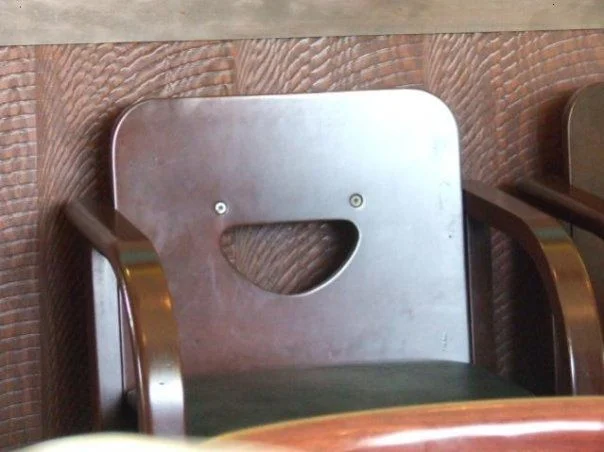
Pareidolia, sometimes called Things With Faces, is the psychological trick of seeing faces in inanimate objects, which grew into a photo genre through Flickr groups, subreddits, and dedicated blogs starting in the mid-2000s. Everyday objects like electrical outlets, houses, cheese graters, and clothes hangers got documented as accidental characters, and the format became one of the internet's longest-running photo memes.
Overview
Pareidolia is what your brain does when it recognizes faces in objects that do not have any, and Things With Faces is the photo genre built around documenting the trick2. Common subjects include electrical outlets, cars with headlight eyes and grille mouths, houses, cheese graters, alarm clocks, and appliances2. Some entries stay pure photo dumps, others anthropomorphize the object with a caption, a personality, or a bit of dialogue, like the 2010 clothes hanger post that named its subject a drunk octopus looking for a fight3.
Human brains come pre-wired for face detection. Carl Sagan wrote about this in his 1995 book The Demon-Haunted World, arguing that infants who recognized parental faces earlier bonded more strongly and were more likely to survive1. Facial recognition software carries the same bias, which The Atlantic covered in August 2012 with examples of algorithms flagging faces in rocky hillsides and other random scenes1. That shared quirk between people and machines is why the pareidolia genre feels universal: no one has to explain why the pipe looks angry, everyone sees it.
Gallery
Origin & Background
How It Spread
Timeline
How to Use This Meme
The format typically starts with an accidental spot. Someone notices a face in an outlet, a rock, a water stain, or a piece of hardware, then photographs it head-on so the face reads clearly2. Common conventions include a caption naming what mood the object seems to be in (angry outlet, surprised backpack, sleepy garage door) or writing dialogue for the imagined face. Submissions typically go to /r/pareidolia, dedicated Tumblrs, or theme blogs, and tagged uploads on Flickr collect them into browsable feeds.
Frequently Asked Questions
References (8)
- 1
- 2
- 3
- 4
- 5
- 6
- 7
- 8