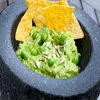
Pea Guacamole Recipe

2015Viral tweet / food controversyclassic

Also known as: #GuacGate · Peagate · Pea Guac Controversy

The Pea Guacamole Recipe meme erupted in July 2015 when the New York Times tweeted "Add green peas to your guacamole. Trust us," linking to a two-year-old recipe and sparking an internet firestorm. The backlash united everyone from the Texas Republican Party to President Barack Obama, who publicly rejected the idea. The incident, dubbed #GuacGate, became one of 2015's most memorable food controversies and a case study in how a simple tweet can ignite a cultural flashpoint.

Overview

The Pea Guacamole Recipe controversy centers on one eight-word tweet from the New York Times official Twitter account: "Add green peas to your guacamole. Trust us." The tweet linked to a recipe for green pea guacamole that called for mixing fresh English peas into an otherwise traditional guacamole with avocados, jalapeños, cilantro, scallions, and lime4. The smugness of "Trust us" hit a nerve with an internet that had very strong feelings about guacamole, and the response was swift, negative, and bipartisan.

The recipe itself dates back to July 2, 2013, when New York Times food writer Melissa Clark published it on the paper's Diner's Journal blog2. The dish was a creation of celebrated French chef Jean-Georges Vongerichten and his chef de cuisine Ian Coogan at ABC Cocina, a Mexican-influenced restaurant in New York City2. Clark described adding peas to guacamole as "one of those radical moves that is also completely obvious after you taste it," noting the peas added sweetness, chunky texture, and helped the guacamole keep its bright green color longer2.

The recipe sat quietly on the NYT website for two full years. Then on July 1, 2015, Michael Gold, a social media editor barely a month into his job at the Times, selected it as part of a push to promote the paper's new food app, "Cooking"3. He tweeted it from the @nytimes account with the now-infamous caption. Gold later told the BBC he was genuinely not trolling: "Absolutely not. My reaction was, 'Oh, that's interesting. Peas in guacamole.'"3

Origin & Background

Platform
Twitter (NYT tweet), New York Times Diner's Journal blog (original 2013 recipe)
Key People
Michael Gold, Melissa Clark, Jean-Georges Vongerichten, Ian Coogan
Date
2015

The recipe itself dates back to July 2, 2013, when New York Times food writer Melissa Clark published it on the paper's Diner's Journal blog2. The dish was a creation of celebrated French chef Jean-Georges Vongerichten and his chef de cuisine Ian Coogan at ABC Cocina, a Mexican-influenced restaurant in New York City2. Clark described adding peas to guacamole as "one of those radical moves that is also completely obvious after you taste it," noting the peas added sweetness, chunky texture, and helped the guacamole keep its bright green color longer2.

The recipe sat quietly on the NYT website for two full years. Then on July 1, 2015, Michael Gold, a social media editor barely a month into his job at the Times, selected it as part of a push to promote the paper's new food app, "Cooking"3. He tweeted it from the @nytimes account with the now-infamous caption. Gold later told the BBC he was genuinely not trolling: "Absolutely not. My reaction was, 'Oh, that's interesting. Peas in guacamole.'"3

How It Spread

The backlash was immediate and loud. Readers called it "possibly the worst food advice ever"3. The Texas Republican Party's official Twitter account declared: "The @nytimes declared war on Texas when they suggested adding green peas to guacamole"4. The controversy jumped from food Twitter to political Twitter within hours.

About two hours after the tweet went live, President Barack Obama weighed in during a Twitter Q&A: "respect the nyt, but not buying peas in guac. onions, garlic, hot peppers. classic"1. Obama's response alone pulled 700 retweets and over 1,000 favorites in its first 24 hours3. Republican presidential candidate Jeb Bush also publicly rejected the recipe on Jimmy Kimmel's show, making pea guacamole a rare point of bipartisan agreement during campaign season1.

The hashtag #GuacGate spread across Twitter, and spinoff pieces appeared from media outlets covering everything from previous presidents' opinions on peas to suggestions for even worse guacamole additions (canned tuna was a popular nominee)3. Slate's analysis pointed to several factors behind the virality: the deliberately confident tone of "Trust us," a slow pre-July 4th news cycle, the timing right before lunchtime in the US, and deep regional pride around Mexican food traditions4. The piece also noted that pea guacamole recipes had existed all over the internet for years, making the outrage more about the messenger than the message4.

Gold, for his part, found insight in why it took off. He already knew the internet had strong opinions about guacamole, pointing to the viral success of a recent story about calories in Chipotle food3. "We know that people love anything that either strikes a chord or challenges their sense of geography or culture," he told the BBC3. Despite the overwhelmingly negative engagement, Gold didn't mind. "We did not expect people to be opposed to the recipe. We think this is a great recipe," he said, admitting he still hadn't actually tried pea guacamole himself3.

How to Use This Meme

The pea guacamole recipe meme works in a few ways:

- As a cultural reference: People bring up pea guacamole when discussing food gatekeeping, recipe authenticity debates, or moments when mainstream media misjudges public taste. Dropping "trust us" after a controversial food suggestion became a running joke. - As a template for outrage: The format of a respected institution confidently recommending something widely considered offensive gets applied to other contexts. Any "add X to Y, trust us" framing echoes the original tweet. - As a bipartisan punchline: Because both Obama and Jeb Bush publicly dunked on the recipe, it's often cited as proof that some things can still unite a divided country.

Cultural Impact

The pea guacamole incident is a textbook example of how food discourse can spiral into a full-blown internet event. The controversy brought together politicians, news outlets, food writers, and everyday Twitter users in rare agreement1. Both sitting President Obama and Republican presidential hopeful Jeb Bush weighed in publicly, turning a recipe recommendation into a bipartisan political moment during an election cycle3.

The incident also raised questions about food authenticity and cultural ownership. Slate noted that Americans have a "particularly possessive relationship with Mexican food" and that guacamole is "simple and familiar enough that we all know what it's supposed to look like, so we can all participate in protecting its purity from a French chef's perversions"4. The fact that a French chef created the recipe at a "Mexicanish" New York City restaurant only deepened the backlash4.

For the New York Times, the tweet generated massive engagement and pageviews for the Cooking app they were promoting, even if most of that attention was negative3. It became a lasting case study in social media tone: the deliberate smugness of "Trust us" was, as Slate put it, "engineered to outrage people"4.

Fun Facts

The recipe called for only 1/2 to 2/3 cup of peas to three avocados, a relatively modest addition that most people who actually tried it found pleasant4.

Michael Gold had been at the NYT for barely a month when he sent the tweet that launched #GuacGate3.

The original recipe noted that pea guacamole stays bright green in the fridge for days without browning, which is actually a practical advantage over traditional guac2.

Gold admitted to the BBC that after 24 hours of pea guacamole discourse, all he wanted was guacamole of any kind, but hadn't had a chance to get any3.

Pea guacamole recipes had existed all over the internet for years before the NYT tweet. The recipe itself was two years old when Gold shared it4.

Frequently Asked Questions