Prank Calling
Published September 23, 2026
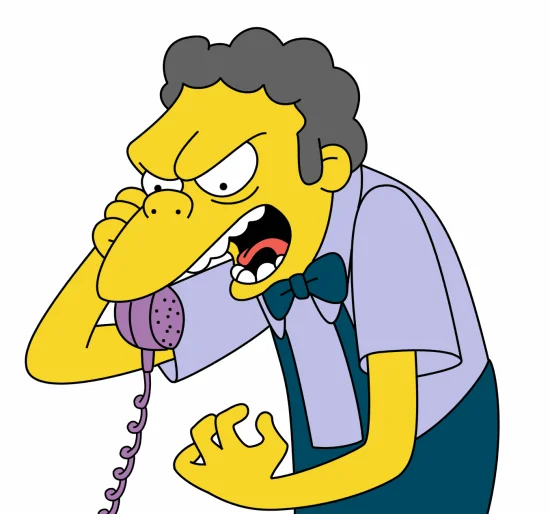
Prank Calling is a comedy tradition where a caller sets up a stranger, or plays along with an incoming call, to humiliate the target for laughs. The joke traced back to at least the late 1970s but hit the internet in 1995 through Michael Biggins' live-streamed calls on blackout.com3. YouTube compilations, radio scandals, and the SWATing offshoot later pulled the format into international headlines.
Overview
Prank Calling covers a wide range of gags, from harmless mistakes like fake pizza orders to elaborate impression bits where the caller pretends to be a business, a family member, or a celebrity3. Classic YouTube examples typically involve a hidden speakerphone, a friend laughing off camera, and a mark who slowly clocks the setup1.
The internet gave the format a new distribution model. Clips got edited, subtitled, and reposted, and prank-call channels grew up next to radio uploads and impressionist bits2. The genre also opened a darker lane, where callers use spoofed numbers or doxxed addresses to humiliate specific targets, sometimes in coordinated raids planned on message boards6.
Origin & Background
How It Spread
Timeline
How to Use This Meme
Common prank-call setups include the fake business call (pizza orders, tow-truck bookings), the fake-relative bit (pretending to be a cousin or in-law), the fake-authority bit (posing as police or a radio host), and the wrong-number bit where the caller keeps escalating each call-back1. Recording the target's reaction and posting the edit to YouTube is the standard payoff5.
Frequently Asked Questions
References (7)
- 1
- 2
- 3
- 4
- 5
- 6
- 7