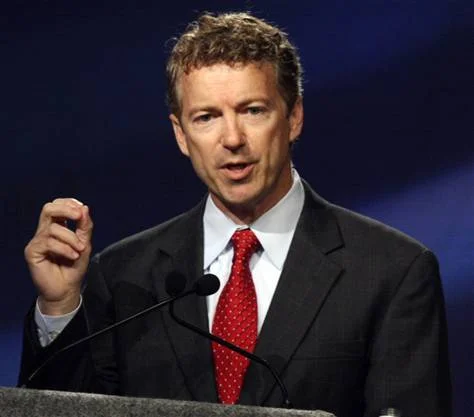
Rand Paul
Published September 24, 2026
In 2015, Kentucky Senator Rand Paul ran a US presidential campaign that leaned hard into internet culture, posting image macros, mock audio and photoshops from his official Twitter account. The Washington Post labeled him an 'Internet troll,' and his short-lived run became a case study in a politician trying to meme his way to relevance before dropping out in February 2016.
Overview
The Rand Paul meme persona centers on his 2015 presidential run, when his official @RandPaul account pushed image macros aimed at rivals like Barack Obama, Mitt Romney, Jeb Bush and Hillary Clinton. Posts included a Condescending Wonka macro directed at Obama, a photoshopped 'common core' friendship bracelet joke that misspelled 'friendship,' and a mock 'secret tape' audio bit voicing Clinton and Bush in conversation4. The campaign also pushed the #StandWithRand hashtag asking supporters to post sign selfies.
Earlier viral moments came from Senate floor stunts, most notably a March 2013 filibuster against John Brennan's CIA nomination that opposed the Obama drone policy. Comedy Central host Jon Stewart praised the filibuster on The Daily Show, boosting Paul's profile with libertarian-leaning younger viewers1. In October 2013, Rachel Maddow flagged a Paul speech that quoted Wikipedia's article on the 1997 film Gattaca without attribution, kicking off a broader plagiarism story2.
Gallery
Origin & Background
How It Spread
Timeline
How to Use This Meme
The Rand Paul meme is typically invoked when a politician posts an unusually online image macro, hashtag stunt or shitpost from an official account. Common references include the Condescending Wonka Obama tweet, the #StandWithRand supporter selfie hashtag, and the mock Clinton/Bush secret tape, all of which are cited as early examples of a Republican campaign trying to speak the native language of Twitter4.