Reply Girls

2011viral videodead

Published September 25, 2026 · Version 4.0.1

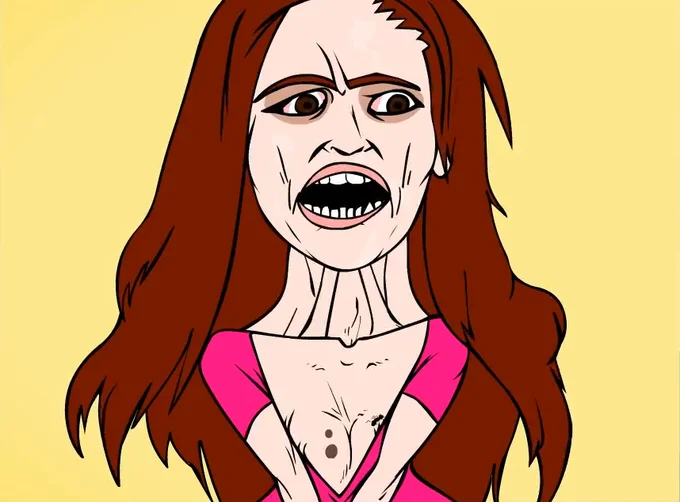
Reply Girls were female YouTubers in 2011 who piggybacked on trending videos by uploading reply clips with cleavage-forward thumbnails to farm views. The tactic worked well enough to trigger a months-long user revolt in early 2012, complete with petitions, boycott videos, browser scripts, and accusations of bot warfare against critics.

Overview

Reply Girls was less a joke format than a view-farming scheme built on top of YouTube's old video responses feature, which let any creator attach their own clip to someone else's trending upload. The bait was almost entirely in the thumbnail: prominent cleavage, arrows pointing at chests, and framing that had nothing to do with the actual video3. The clip behind the image was usually a short talking-head vlog with the creator commenting on whatever popular video they had latched onto1.

Alejandra Gaitan (thereplygirl) and MeganLeeHeart (MeganSpeaks) were the two most visible practitioners, and both racked up millions of views before the backlash caught up. MeganSpeaks alone pulled more than 10 million views and thousands of dislikes inside its first seven months3. Later imitators including lauratickled, supercomicbookgirl, and outright bot channels like JessicaReview kept the tactic alive long enough for viewers to build blocklists against them3.

Origin & Background

Platform
YouTube
Creator
Alejandra Gaitan
Date
2011

Canadian YouTuber Alejandra Gaitan opened the channel "thereplygirl" on July 18, 2011, and started uploading reply videos with cleavage-heavy thumbnails aimed at up-and-coming uploads3. About three weeks later, on August 9, 2011, MeganLeeHeart launched the "MeganSpeaks" channel using the same trick, with arrows in her thumbnails literally pointing at her chest3. Both channels grew fast because YouTube's ranking algorithm at the time rewarded click-through rate on video responses, so a suggestive thumbnail attached to a popular video reliably printed views.

How It Spread

The backlash crystallized in February 2012. On February 11, icklenellierose posted "Dear Reply Girls," a rant against the trend that pulled over 1.1 million views within a year2. Four days later, YouTuber Skweezy called for a full viewer boycott of reply girl videos3. A February 23 thread on the Yogscast forum argued the uploads violated YouTube's own rules against misleading thumbnails and titles, and the next day The Daily Dot ran a piece labelling the whole mess the "Tittiepocalypse"3.

Things escalated quickly from there. On February 26, a "YouTube Anti Replygirls" userscript went up on Userscripts.org so viewers could scrub the videos from their feeds automatically3. On February 27, a Change.org petition demanding Google act on the spam picked up more than 3,000 signatures in 24 hours3. Blogger HappyCabbie also posted screenshots that appeared to show MeganLeeHeart threatening another YouTuber with violence over copied video descriptions3.

The story turned genuinely ugly in March. The Daily Dot reported that Heart and her boyfriend Brian Martin, known on YouTube as LifeInATent, had allegedly paid for roughly 540,000 bot views aimed at rival reply girls, hoping YouTube's freshly announced anti-bot crackdown would ban the competition automatically1. Heart denied the receipt was real and claimed it was Photoshopped, but Alejandra Gaitan later told the Daily Dot that Heart had threatened to leak her personal information and physically harm her1.

How to Use This Meme

The template was simple: pick a trending YouTube video, upload a short talking-head clip as a reply, and slap a cleavage-forward thumbnail on it. Titles typically referenced the target video vaguely enough to seem related while the thumbnail did the actual click-bait work. The pattern effectively died after YouTube retired video responses in 2013, but the phrase still gets used as shorthand for any low-effort viewbait tactic that trades on suggestive imagery1.

Frequently Asked Questions