Seapunk

2011art movement / music subgenreclassic

Published September 26, 2026

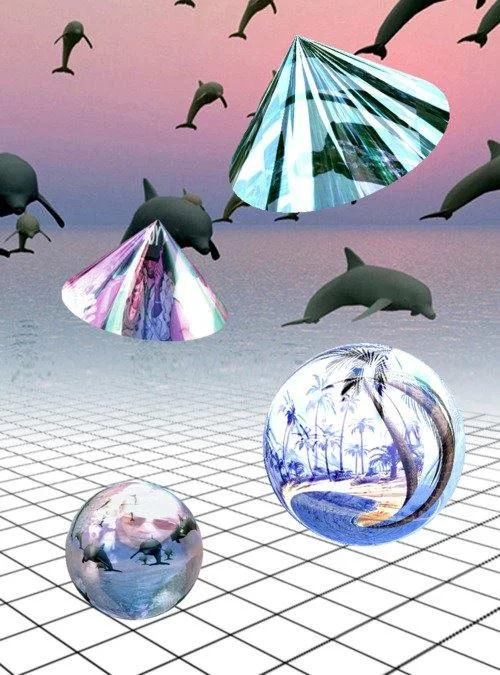
Seapunk is a music and visual art microgenre that mashed 1990s cyberpunk with dolphins, pyramids, teal gradients and Windows 98 screensaver energy. Brooklyn DJ Lil Internet coined the term in a June 2011 tweet about a dream, and within eighteen months the aesthetic had jumped from Tumblr blogs to Rihanna's Saturday Night Live stage, sparking one of the first big debates about pop stars ripping off internet subcultures.

Overview

Seapunk's visual grammar leans on aquatic kitsch: teal and magenta gradients, 3D-rendered dolphins and fish, pyramids, palm trees, Little Mermaid callbacks, and animated GIFs that look pulled from a mid-1990s desktop demo reel4. The sound pairs ocean field recordings with sample-heavy electronic beats, closer to witch house and vaporwave than to any actual punk1.

The scene organized itself around Chicago producer Ultrademon's label Coral Records Internazionale, which acted as both a Bandcamp home for releases and a Facebook aggregator pointing to unaffiliated artists working in a similar mode5. Zombelle became one of the most visible voices on the music side, while the visual half of the movement lived largely on Tumblr through reblogged GIFs tagged #seapunk5.

Origin & Background

Platform
Twitter (coinage) / Tumblr (visual spread)
Creator
Julian Foxworth
Date
2011

The word "seapunk" was invented by Julian Foxworth, a Brooklyn DJ and producer better known as Lil Internet, who tweeted about a dream involving a "seapunk leather jacket with barnacles where the studs used to be" on June 1, 20111. The tweet was half a joke, but it stuck.

The next month, Chicago producer Ultrademon founded Coral Records Internazionale, the first label built around the sound5. The label made Zombelle and Myrrh Ka Ba's five-track EP "Tropicult" available as a free download on July 26, 2011, one of the earliest records explicitly tagged as seapunk5. That October, Coral Records threw the first dedicated Seapunk showcase in Brooklyn, timed to the CMJ Music Marathon5.

How It Spread

Press coverage started small, with a Mishka NYC blog post in September 2011, then a print piece in British culture magazine Dazed & Confused in January 20125. The New York Times Style section wrote it up as "a web joke with music" that spring, which prompted response posts from Hipster Runoff, Stereogum and Vice's Noisey blog dissecting where the term actually came from5.

The scene broke into the mainstream on November 10, 2012, when Rihanna performed "Diamonds" on Saturday Night Live in front of green-screen visuals full of dolphins, ocean footage and screensaver-grade animation. Twitter viewers immediately compared the backdrop to a Windows 98 screensaver and a low-budget PhotoBooth loop2. BuzzFeed pointed out that the specific visual style closely tracked earlier work by Los Angeles video artist Jerome LOL, who confirmed on Twitter he had nothing to do with the performance3.

Azealia Banks dropped her video for "Atlantis," which used near-identical seapunk imagery, the very next morning. Artists tied to the movement, including Zombelle, said publicly they were furious about the uncredited borrowing3. Flavorwire framed the fight as a test case for how internet-born art genres get absorbed by pop stars in 20124.

How to Use This Meme

A typical seapunk visual mixes cheap 3D dolphin renders, pastel ocean gradients, pyramids, yin-yang symbols and glitter, often looped as a short GIF with a teal or aqua dominant palette. The music side commonly layers ocean samples, chopped R&B vocals and slow electronic beats. Anyone making seapunk edits today is usually working in a retro or ironic mode rather than trying to break new ground4.

Frequently Asked Questions