Use The Power Of Friendship To Kill God
Published March 31, 2026
Also known as: Power of Friendship to Kill God · Teenagers Kill God With Friendship
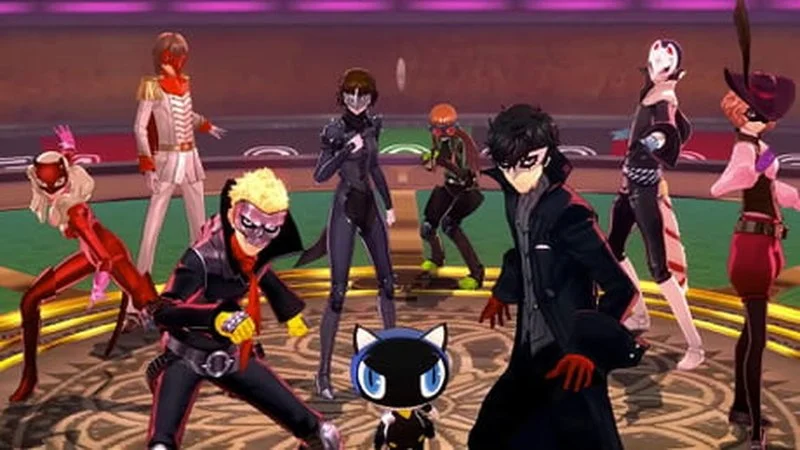
"Use The Power Of Friendship To Kill God" is a catchphrase that satirizes a recurring plot structure in Japanese role-playing games (JRPGs), where a party of young heroes bands together and defeats a god-like final boss through their emotional bonds. Coined by game critic Yahtzee Croshaw during a 2014 Zero Punctuation review, the phrase quickly became shorthand for poking fun at JRPG storytelling conventions. It spread across gaming forums, blogs, and social media as fans retroactively applied it to dozens of games from Final Fantasy to Persona.
Overview
The phrase captures a specific JRPG formula that plays out across hundreds of games: a group of teenagers (or young adults) journey through a sprawling world, forge deep friendships, and then use those bonds to defeat a deity or cosmic evil in the final boss fight. What makes the joke land is how accurately it describes the genre. Games like Final Fantasy VI, Persona 5, Xenoblade Chronicles, and countless others follow this exact arc4. The "power of friendship" half draws from a well-documented narrative trope where heroes draw literal or figurative strength from their companions5, while the "kill god" half points to the JRPG-specific habit of escalating stakes until the villain is a literal deity.
The catchphrase works both as affectionate ribbing from fans who love the genre and as genuine criticism of formulaic storytelling. It sits in that sweet spot where the joke is funny because it's true.
Gallery
Origin & Background
How It Spread
How to Use This Meme
The phrase gets deployed in a few common ways:
Genre shorthand: When describing JRPGs to non-fans, drop the line as a tongue-in-cheek summary of the entire genre. "What's Final Fantasy about?" "Teenagers use the power of friendship to kill god."
Game-specific jokes: After finishing a JRPG that fits the template, post about how the game delivered the expected "power of friendship to kill god" ending. Bonus points if the game seemed like it was going to subvert the trope but didn't.
Meme templates: Pair the phrase with an image macro. The Dogelore format, Drake format, or any comparison template works well. One common approach contrasts the early game ("fighting rats in a sewer") with the endgame ("using friendship to kill god").
Cultural Impact
Fun Facts
Yahtzee's original quote specifically mentioned *teenagers*, which is itself a JRPG trope: the hero is almost always between 15 and 19 years old4.
The drkandraz Tumblr essay praised Persona 5's gameplay and character writing while criticizing its final act, calling the god battle "an amazing ending had it been the least bit foreshadowed"2.
The Uppercutcrit essay argues that what makes JRPG final bosses special isn't the god-killing but the fact that "it's the last thing we as friends will get to do together"1.
The Drybonestruth blog post counted that nearly every major shonen anime features some version of the trope, from Naruto to Full Metal Alchemist to Boruto3.
Frequently Asked Questions
References (8)
- 1- Penny Arcadearticle
- 2
- 3
- 4
- 5List of Internet phenomenaencyclopedia
- 6
- 7- Penny Arcadearticle
- 8