Yanny vs Laurel

2018audiodead

Also known as: Yanny vs Laurel Meme · Yanny Vs Laurel · YANNY VS LAUREL · YVL

Yanny vs Laurel is a 2018 audio illusion meme where a viral recording could be perceived as saying either 'Yanny' or 'Laurel,' sparking internet-wide debate about auditory perception.

A dead viral moment from 2018 where an audio clip could be heard as either 'Yanny' or 'Laurel' depending on listener perception. The audio illusion sparked widespread internet debate about how people perceive sound.

Overview

Yanny vs Laurel is a dead viral craze from May 2018 centered on an ambiguous audio clip that different listeners perceived differently. Some heard the word 'Yanny' while others heard 'Laurel,' leading to widespread internet debate about auditory perception and how the human ear processes sound. The sensation represented a unique moment in meme culture, rather than being based on humor, images, or text, the meme was based on an audio illusion that genuinely divided people based on their perceptual differences. It was less a joke and more a mass participation in exploring how perception works. Unlike typical memes, Yanny vs Laurel couldn't be explained, debunked, or fully resolved. No definitive answer existed, the clip genuinely could sound like either word to different listeners based on various factors. This ambiguity made it fascinating to the internet but ultimately limited its meme lifespan.

The exact origins of the Yanny vs Laurel audio clip are unclear, though it's believed to have originated from Google Translate or a similar text-to-speech source. The clip appears to be a single word from either Google Translate or a dictionary audio. The ambiguous nature of the sound made it perfect for a viral moment. The craze emerged during a period when viral moments were moving beyond traditional meme formats. The Dress (from 2015) and other perception-based viral events had established that ambiguous stimuli could generate massive online engagement. Yanny vs Laurel built on this tradition. The debate about what the clip said reflected real differences in audio perception. Factors like frequency perception, hearing age, audio quality, and individual acoustic sensitivity affected what people heard. Scientists and audiologists weighed in on the event, adding legitimacy to the discussion.

Origin & Background

Platform
Social Media/Audio
Creator
Unknown/Viral audio clip
Date
2018

A mysterious audio clip emerged online that seemed to say either 'Yanny' or 'Laurel' depending on the listener's hearing or perception. The ambiguous nature of the sound sparked massive internet debate about auditory perception and psychological factors.

How It Spread

The Yanny vs Laurel trend went viral on Twitter, Reddit, and other social media platforms in May 2018, causing widespread debate about what the audio clip actually said. The clip divided listeners into two camps, those who heard 'Yanny' and those who heard 'Laurel', sparking heated arguments across the internet. The craze gained major media attention as mainstream outlets covered the viral debate. News outlets, celebrities, and millions of people online weighed in on what they heard. The debate transcended typical meme culture and became a broader cultural moment about perception and how different people experience the same stimulus. By late 2018, interest in Yanny vs Laurel had faded significantly. While the audio clip remained available for people to test their hearing, the novelty of the debate wore off and internet culture moved to new things. Today, Yanny vs Laurel is a dead meme primarily referenced in retrospectives of 2018 viral moments.

Platforms

TwitterRedditFacebookYouTubeTikTok

Timeline

2019-01-01

Yanny vs Laurel started spreading across social media platforms

2020-01-01

Yanny vs Laurel reached mainstream popularity and media coverage

2021-01-01

Brands and companies started using Yanny vs Laurel in marketing

2023-01-01

Yanny vs Laurel entered the broader pop culture conversation

View on Google Trends

How to Use This Meme

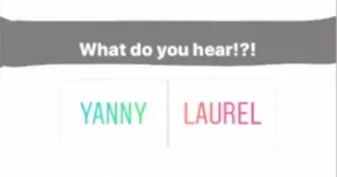
Yanny vs Laurel was primarily used by asking people to listen to the audio clip and report what they heard. The meme format involved sharing the clip with captions like 'What do you hear?' or 'Team Yanny' vs 'Team Laurel,' creating debate among those who heard different words. The meme also spawned images and text-based posts about the controversy, with people sharing their opinions and attempting to convince others they were hearing it wrong. Discussions often involved playing with audio quality, volume, or frequency to try to change what the clip sounded like.

1

Find the Yanny vs Laurel audio on TikTok or Instagram

2

Create a video that matches or plays off the audio

3

Time your actions or cuts to sync with the sound

4

Post using the original sound for maximum reach

Create Your Own

Cultural Impact

Yanny vs Laurel represented a unique moment in web culture where a craze was neither joke nor traditional meme but rather a mass exploration of auditory perception. The craze demonstrated online culture's fascination with ambiguous stimuli and shared experiences of perceptual differences. The craze also highlighted how viral moments can transcend typical the internet and generate mainstream media attention. News outlets, TV shows, and major publications covered the debate, making it a bigger cultural moment beyond meme subculture. The decline of Yanny vs Laurel showed that while ambiguous perceptual things can achieve brief viral moments, they lack the staying power of traditional memes based on humor or relatability. Once people had tested their hearing, there was little reason to continue engaging with the craze.

Fun Facts

The clip appeared to originate from text-to-speech or voice dictionary sources

Real differences in hearing and audio perception accounted for different listeners hearing different words

Scientists and audiologists participated in discussions about why people heard different things

The sensation peaked in just a few weeks before declining rapidly

Unlike most memes, Yanny vs Laurel had no definitive answer or resolution

The Yanny vs Laurel meme has been shared millions of times across social media

You can create your own Yanny vs Laurel meme using free tools like Imgflip

Yanny vs Laurel first appeared in 2018

The meme is still remixed and adapted by creators

Brands and marketers have used Yanny vs Laurel in their campaigns

The meme is still remixed and adapted by creators

Derivatives & Variations

Other auditory illusions, Similar audio clips that create perception ambiguity

A variation of Yanny vs Laurel

(2018)

Perception-based things, Other ambiguous stimuli used to test perception

A variation of Yanny vs Laurel

(2018)

The Dress, Earlier perception-based viral moment using visual ambiguity

A variation of Yanny vs Laurel

(2018)

Team-based divisions, Creating 'Team Yanny' vs 'Team Laurel' merchandise and content

A variation of Yanny vs Laurel

(2018)

Audio quality variations, Different versions of the clip at different frequencies

A variation of Yanny vs Laurel

(2018)

Frequently Asked Questions

Yanny vs Laurel

2018audiodead

Also known as: Yanny vs Laurel Meme · Yanny Vs Laurel · YANNY VS LAUREL · YVL

Yanny vs Laurel is a 2018 audio illusion meme where a viral recording could be perceived as saying either 'Yanny' or 'Laurel,' sparking internet-wide debate about auditory perception.

A dead viral moment from 2018 where an audio clip could be heard as either 'Yanny' or 'Laurel' depending on listener perception. The audio illusion sparked widespread internet debate about how people perceive sound.

Overview

Yanny vs Laurel is a dead viral craze from May 2018 centered on an ambiguous audio clip that different listeners perceived differently. Some heard the word 'Yanny' while others heard 'Laurel,' leading to widespread internet debate about auditory perception and how the human ear processes sound. The sensation represented a unique moment in meme culture, rather than being based on humor, images, or text, the meme was based on an audio illusion that genuinely divided people based on their perceptual differences. It was less a joke and more a mass participation in exploring how perception works. Unlike typical memes, Yanny vs Laurel couldn't be explained, debunked, or fully resolved. No definitive answer existed, the clip genuinely could sound like either word to different listeners based on various factors. This ambiguity made it fascinating to the internet but ultimately limited its meme lifespan.

The exact origins of the Yanny vs Laurel audio clip are unclear, though it's believed to have originated from Google Translate or a similar text-to-speech source. The clip appears to be a single word from either Google Translate or a dictionary audio. The ambiguous nature of the sound made it perfect for a viral moment. The craze emerged during a period when viral moments were moving beyond traditional meme formats. The Dress (from 2015) and other perception-based viral events had established that ambiguous stimuli could generate massive online engagement. Yanny vs Laurel built on this tradition. The debate about what the clip said reflected real differences in audio perception. Factors like frequency perception, hearing age, audio quality, and individual acoustic sensitivity affected what people heard. Scientists and audiologists weighed in on the event, adding legitimacy to the discussion.

Origin & Background

Platform
Social Media/Audio
Creator
Unknown/Viral audio clip
Date
2018

A mysterious audio clip emerged online that seemed to say either 'Yanny' or 'Laurel' depending on the listener's hearing or perception. The ambiguous nature of the sound sparked massive internet debate about auditory perception and psychological factors.

How It Spread

The Yanny vs Laurel trend went viral on Twitter, Reddit, and other social media platforms in May 2018, causing widespread debate about what the audio clip actually said. The clip divided listeners into two camps, those who heard 'Yanny' and those who heard 'Laurel', sparking heated arguments across the internet. The craze gained major media attention as mainstream outlets covered the viral debate. News outlets, celebrities, and millions of people online weighed in on what they heard. The debate transcended typical meme culture and became a broader cultural moment about perception and how different people experience the same stimulus. By late 2018, interest in Yanny vs Laurel had faded significantly. While the audio clip remained available for people to test their hearing, the novelty of the debate wore off and internet culture moved to new things. Today, Yanny vs Laurel is a dead meme primarily referenced in retrospectives of 2018 viral moments.

Platforms

TwitterRedditFacebookYouTubeTikTok

Timeline

2019-01-01

Yanny vs Laurel started spreading across social media platforms

2020-01-01

Yanny vs Laurel reached mainstream popularity and media coverage

2021-01-01

Brands and companies started using Yanny vs Laurel in marketing

2023-01-01

Yanny vs Laurel entered the broader pop culture conversation

View on Google Trends

How to Use This Meme

Yanny vs Laurel was primarily used by asking people to listen to the audio clip and report what they heard. The meme format involved sharing the clip with captions like 'What do you hear?' or 'Team Yanny' vs 'Team Laurel,' creating debate among those who heard different words. The meme also spawned images and text-based posts about the controversy, with people sharing their opinions and attempting to convince others they were hearing it wrong. Discussions often involved playing with audio quality, volume, or frequency to try to change what the clip sounded like.

1

Find the Yanny vs Laurel audio on TikTok or Instagram

2

Create a video that matches or plays off the audio

3

Time your actions or cuts to sync with the sound

4

Post using the original sound for maximum reach

Create Your Own

Cultural Impact

Yanny vs Laurel represented a unique moment in web culture where a craze was neither joke nor traditional meme but rather a mass exploration of auditory perception. The craze demonstrated online culture's fascination with ambiguous stimuli and shared experiences of perceptual differences. The craze also highlighted how viral moments can transcend typical the internet and generate mainstream media attention. News outlets, TV shows, and major publications covered the debate, making it a bigger cultural moment beyond meme subculture. The decline of Yanny vs Laurel showed that while ambiguous perceptual things can achieve brief viral moments, they lack the staying power of traditional memes based on humor or relatability. Once people had tested their hearing, there was little reason to continue engaging with the craze.

Fun Facts

The clip appeared to originate from text-to-speech or voice dictionary sources

Real differences in hearing and audio perception accounted for different listeners hearing different words

Scientists and audiologists participated in discussions about why people heard different things

The sensation peaked in just a few weeks before declining rapidly

Unlike most memes, Yanny vs Laurel had no definitive answer or resolution

The Yanny vs Laurel meme has been shared millions of times across social media

You can create your own Yanny vs Laurel meme using free tools like Imgflip

Yanny vs Laurel first appeared in 2018

The meme is still remixed and adapted by creators

Brands and marketers have used Yanny vs Laurel in their campaigns

The meme is still remixed and adapted by creators

Derivatives & Variations

Other auditory illusions, Similar audio clips that create perception ambiguity

A variation of Yanny vs Laurel

(2018)

Perception-based things, Other ambiguous stimuli used to test perception

A variation of Yanny vs Laurel

(2018)

The Dress, Earlier perception-based viral moment using visual ambiguity

A variation of Yanny vs Laurel

(2018)

Team-based divisions, Creating 'Team Yanny' vs 'Team Laurel' merchandise and content

A variation of Yanny vs Laurel

(2018)

Audio quality variations, Different versions of the clip at different frequencies

A variation of Yanny vs Laurel

(2018)

Frequently Asked Questions