Baby Shark
Published March 10, 2026 · Updated March 23, 2026
Also known as: Baby Shark Dance · Baby Shark Challenge · Kleiner Hai
"Baby Shark" is a children's song turned global viral sensation, best known through Pinkfong's 2016 YouTube video "Baby Shark Dance," which became the most-viewed video in YouTube history. The song originated as a camp singalong decades before the internet existed, but South Korean entertainment company SmartStudy turned it into an inescapable earworm that hit 10 billion YouTube views by January 20221. Online, the song became both a beloved kids' staple and a widely mocked cultural force, with the repetitive "doo doo doo doo doo doo" chorus becoming shorthand for parental suffering and internet-age sensory overload2.
Overview
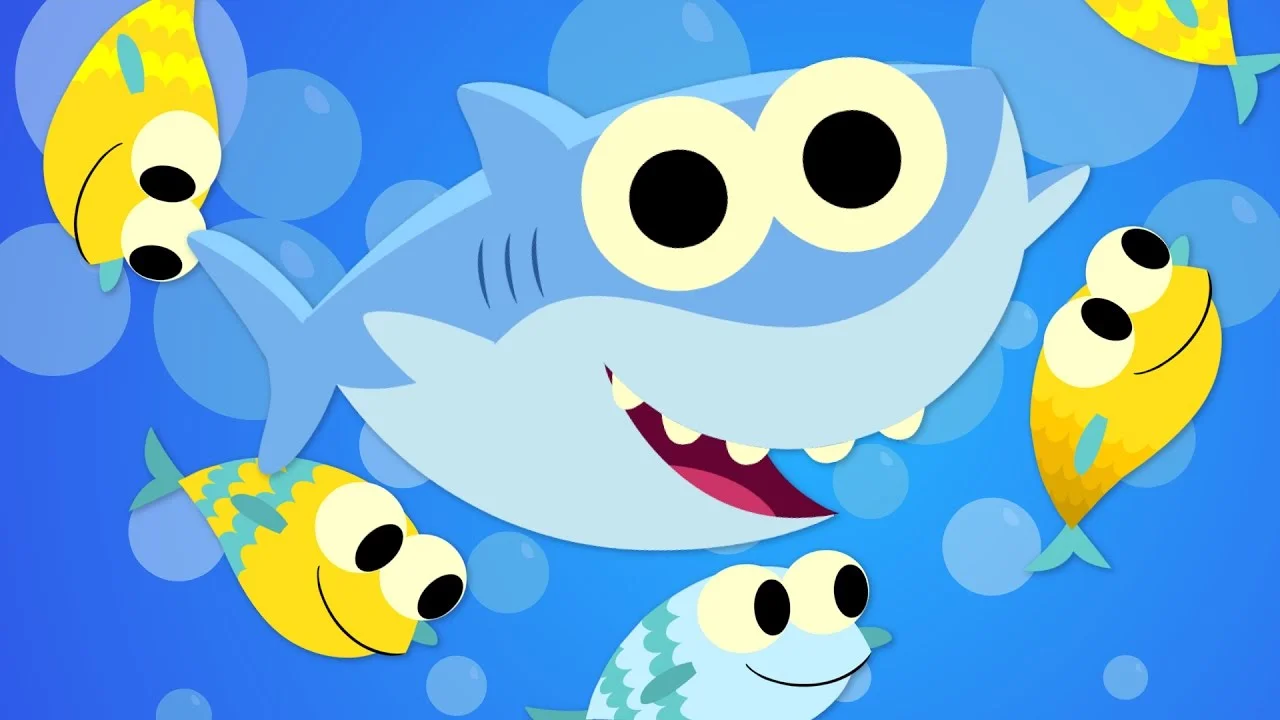
"Baby Shark" is a call-and-response song where each verse introduces a member of a shark family (Baby Shark, Mommy Shark, Daddy Shark, Grandma Shark, Grandpa Shark), accompanied by clapping hand gestures that mimic a shark's mouth. The Pinkfong version features a bouncy electronic beat, bright animation, and child vocals singing the iconic "doo doo doo doo doo doo" refrain after every line. The music video opens with bars from Dvořák's Symphony No. 9, echoing the Jaws theme, before launching into a story where a shark family hunts fish that eventually escape to safety1.
The meme dimension of "Baby Shark" comes from its sheer unavoidability. Parents, teachers, and anyone within earshot of a toddler with a tablet know the song by heart, whether they want to or not. Urban Dictionary entries capture the collective exhaustion well, describing it as "the #1 most kid-friendly, annoying, viral, overdone, repetitive, thoughtless and stupid song of all time"2.
Gallery
Origin & Background
How It Spread
Platforms
Timeline
2017-09-10
Entry published on Know Your Meme
2025-05-09
Last modified on Know Your Meme
2025-01-01
Baby Shark is still actively used and shared across platforms
How to Use This Meme
The Baby Shark meme works on two levels: the song/dance itself and the meta-commentary around it.
As a participatory meme: People typically film themselves performing the signature hand gestures (opening and closing hands to mimic a shark mouth, getting bigger for each family member). The "Baby Shark Challenge" format involves recording the dance in unexpected settings, like offices, sports stadiums, or public transit.
As an ironic/suffering meme: Parents and anyone exposed to the song on repeat commonly post about "Baby Shark" as a form of torture or psychological endurance test. Typical formats include:
Captioning images of distressed people with "day 47 of hearing Baby Shark on loop"
Using "doo doo doo doo doo doo" as an intrusive-thought punchline
Joking about the song as a weapon of mass destruction
Cultural Impact
Fun Facts
The song starts with a musical quote from Dvořák's Symphony No. 9, which itself echoes the Jaws theme, a fitting nod given the shark subject matter1.
Hope Segoine was only 10 years old when she recorded the vocals for the version that would become the most-watched video in YouTube history1.
"Baby Shark" is both the most-viewed AND most-liked video on YouTube1.
Jonathan Wright, who released his version in 2011, told the Liberty Korea Party the song was public domain when they asked for permission to use it, inadvertently contributing to a copyright dispute with SmartStudy1.
Urban Dictionary users describe the song in apocalyptic terms, with one entry claiming "listening to Baby Shark made the sun implode"2.
Derivatives & Variations
Countless cover versions in different languages
A variation of Baby Shark
(2018)Professional performance videos and choreography tutorials
A variation of Baby Shark
(2018)Metal, rock, and electronic remixes
A variation of Baby Shark
(2018)Celebrity and athlete parody versions
A variation of Baby Shark
(2018)Educational variations and dance competition videos
A variation of Baby Shark
(2018)Baby Shark-themed merchandise and toys
A variation of Baby Shark
(2018)Frequently Asked Questions
References (2)
- 1Baby Sharkencyclopedia
- 2Baby Shark - Urban Dictionarydictionary