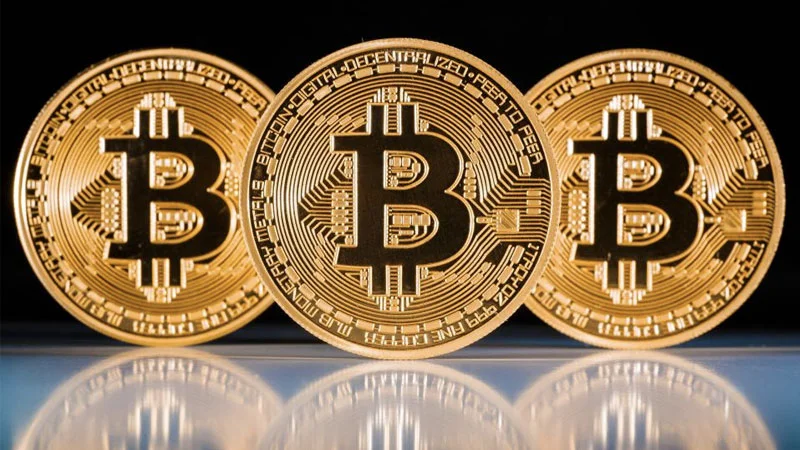
Bitcoin
Published August 16, 2026
Bitcoin is a decentralized digital currency introduced in a 2008 whitepaper by the pseudonymous Satoshi Nakamoto, launched as software in January 2009. It became the first working cryptocurrency, spawning an entire ecosystem of blockchain projects and driving speculative price runs that turned it into a mainstream financial story.
Overview
Bitcoin is a decentralized digital currency that runs on a peer-to-peer network with no central bank or government controlling it1. Transactions get written to a public ledger called the blockchain, which acts as a permanent, time-stamped log of every transfer ever made in the currency7. Once a transaction is confirmed by the network it cannot be reversed, so the coins get treated more like physical cash than a credit-card charge9.
The system relies on public-key cryptography and a process called mining, where computers compete to solve SHA-256 hash puzzles in exchange for newly created coins and transaction fees6. The total supply is capped at 21 million coins, released on a predictable schedule that will finish issuing around the year 21408. Its design makes bitcoins portable, divisible, and difficult to counterfeit, which is why supporters sometimes describe them as "a Swiss bank account in your pocket"9.
Gallery
Origin & Background
How It Spread
How to Use This Meme
Users typically hold Bitcoin in a wallet, either software running on a phone or computer or a hardware device that stores the private keys offline. Payments get sent from one Bitcoin address to another and broadcast to the network, where miners bundle them into a block and add that block to the chain1. Each new block layers more cryptographic proof-of-work on top of prior transactions, which is what makes them practically impossible to reverse after a few confirmations7. Merchants accepting Bitcoin often wait for one to six confirmations, roughly an hour, before treating a payment as final6.
Frequently Asked Questions
References (9)
- 1
- 2
- 3
- 4
- 5
- 6
- 7
- 8
- 9