Chiptune
Published August 17, 2026
Chiptune, also called chip music, is a genre of electronic music made using sound hardware from old video game consoles like the NES, Game Boy, and Commodore 64. The aesthetic goes back to 1980s console audio chips and grew into a dedicated scene of producers and live acts by the mid-2000s, with collectives like 8bitpeoples and press coverage from outlets like The New Yorker.
Overview
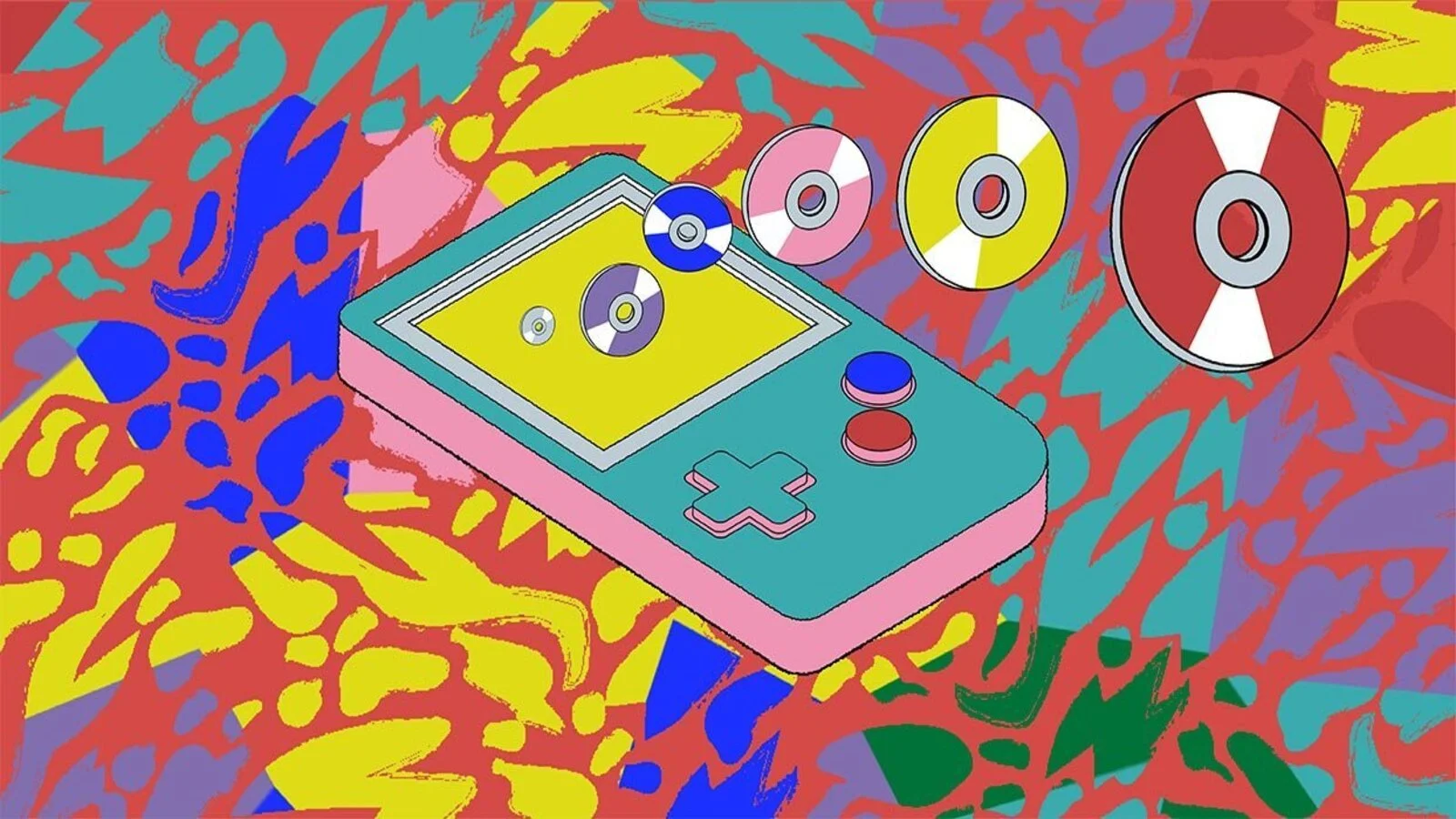
Chiptune, also called chip music, is a style of synthesized electronic music made using sound hardware from old video game consoles, computer systems, and music production software3. Producers use waveforms like square, sine, sawtooth, pulse, and triangle to build melodies, with drums typically shaped from white noise pushed through an envelope5. Live acts often perform with actual Game Boys, NES units, or Commodore 64s on stage instead of laptops5.
The New Yorker described the sound in 2013 as songs that "burbled and bleeped like aliens desperately trying to get a message through," and pointed to acts like She (the project of Swedish-Polish producer Lain Trzaska), Chicago's I Fight Dragons, and NES-powered indie group Anamanaguchi as examples across the scene's stylistic range1.
Origin & Background
How It Spread
How to Use This Meme
Producers typically build chiptune tracks either on real retro gaming machines or on modern trackers and emulators that recreate the chips5. Common tools include LSDj on the Game Boy and Nanoloop, and live performers like Sabrepulse, Bit Shifter, and Saskrotch are known for bringing the actual gaming machines on stage5. Many fans argue hardware always sounds better than software emulation, which keeps demand alive for aging Game Boys and NES units5.
Cultural Impact
Fun Facts
- The New Yorker writer first heard about chiptune from a woman in her seventies at a Boston bus station in 20131
- 8bitpeoples' roster ran to dozens of artists including Anamanaguchi, Trash80, Bit Shifter, glomag, and Starscream2
- Free Music Archive keeps chiptune tracks available for royalty-free use in videos and podcasts4
- Live chiptune acts sometimes tour with hacked original Game Boys running LSDj as their main instrument5
Derivatives & Variations
Chipbreak: chiptune blended with breakbeat drum patterns[5]
Chipcore: a heavier variant that pushes chiptune toward punk and metal energy[5]
Bit Festival: a live music festival dedicated to the chiptune scene[5]
Frequently Asked Questions
References (6)
- 1
- 2
- 3
- 4
- 5
- 6