Comic Strips

1895formatclassic

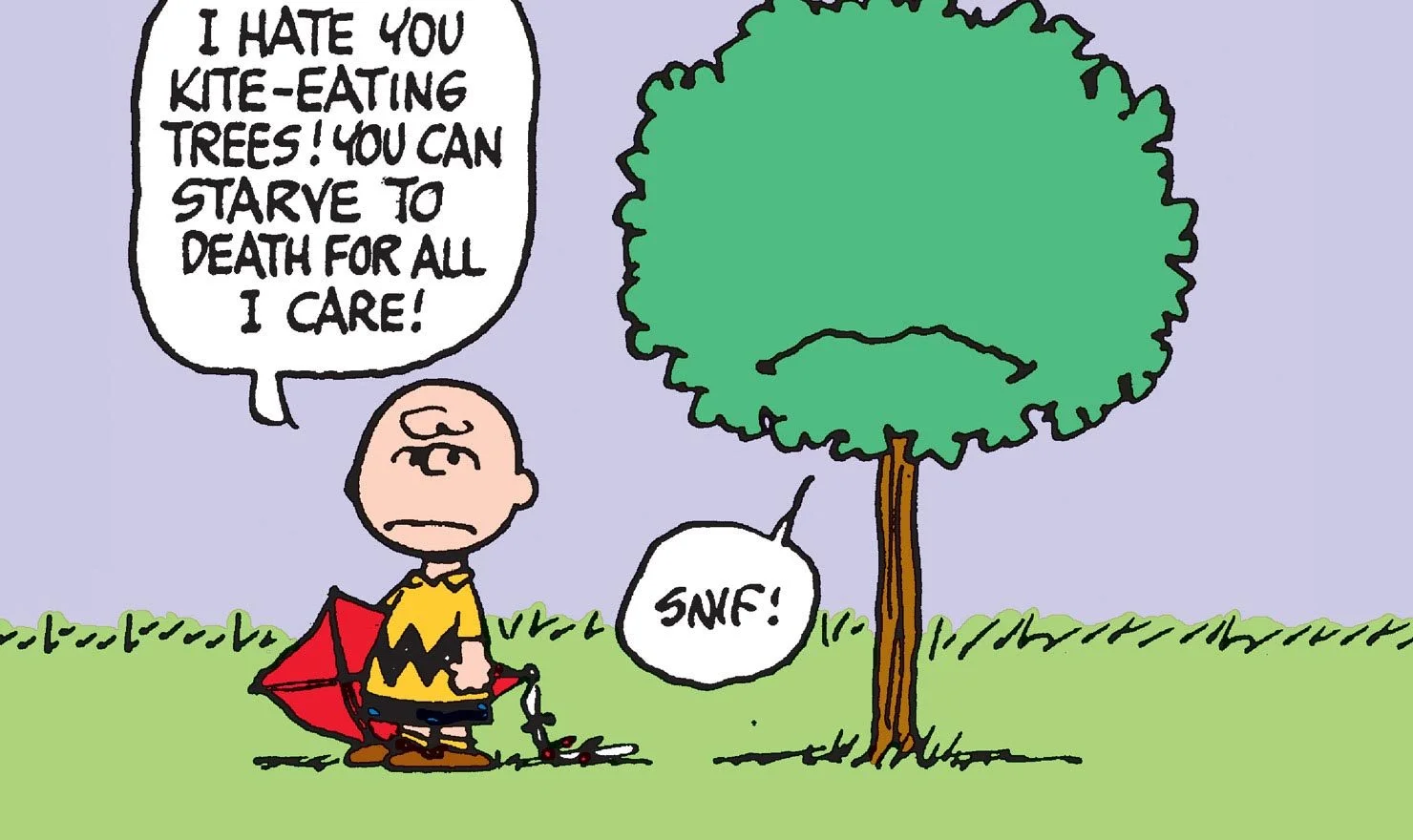
Comic Strips are sequences of drawn panels that deliver brief jokes or short narratives, usually serialized and marked by speech balloons and captions3. The format started in late 19th century newspapers and later shaped how internet-era visual humor delivers sequential punchlines1.

Overview

Comic Strips are drawings arranged in interrelated panels that display brief humor or form a narrative3. Panels are read in sequence, with speech balloons carrying dialogue and captions carrying framing text3. Serialization is common, meaning the same characters can recur across strips over days, weeks, or years1.

The panel structure sits at the root of much internet visual humor. Web comics, four-panel gag layouts, image-macro strips, and reaction panel edits all borrow structural cues from the newspaper comic strip1.

How It Spread

As newspaper readership shifted online through the 1990s and 2000s, comic strips followed cartoonists onto personal sites and later platforms like Tumblr and Instagram1. Meme-native panel formats, including rage comics on Reddit and short reaction strips on Twitter, adopted the same visual grammar the newspaper strip established3.

Slang built on the format too. Urban Dictionary defines "comic strip-mining" as exhaustive, erosive excavation of a joke, riffing on the serialized layout of the strip2.

How to Use This Meme

A typical strip runs from two to six panels, opening with a setup, escalating in the middle, and closing on a punchline in the final panel1. Speech balloons carry dialogue, captions carry framing, and the joke is often visual rather than verbal3.

Frequently Asked Questions