Cookie Tracking
Published March 10, 2026 · Updated March 23, 2026
Also known as: Tracking Cookie Memes · Cookie Consent Memes · Cookie Pop-Up Memes
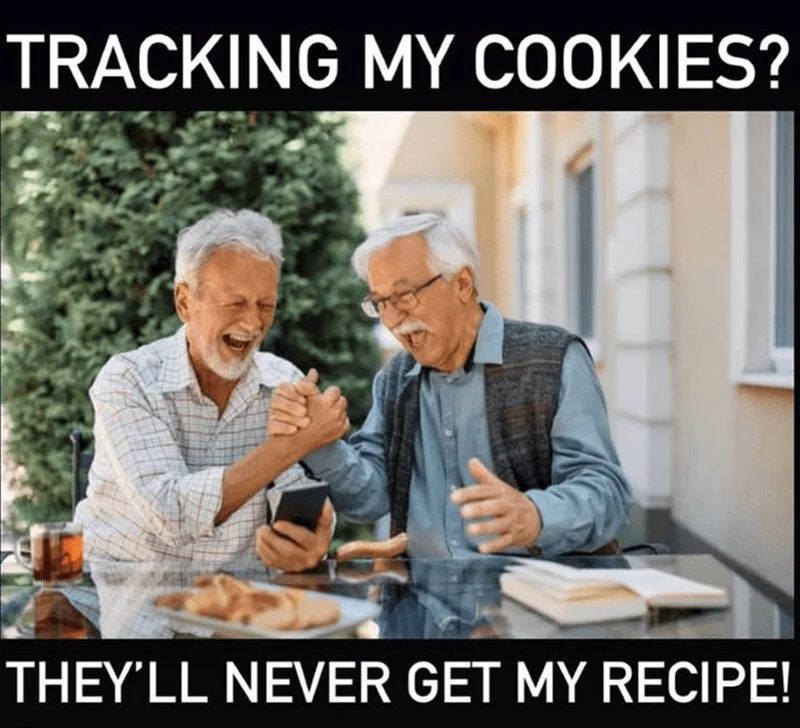
Cookie tracking memes revolve around the shared internet experience of dealing with browser tracking cookies, cookie consent pop-ups, and the creeping feeling that every website knows way too much about you. The humor draws from the absurd gap between a harmless-sounding name ("cookies") and their actual function of following users across the web2. These jokes became a staple of tech humor and privacy discourse as internet users grew increasingly aware of online surveillance practices1.
Overview
Cookie tracking memes make fun of the entire ecosystem around HTTP tracking cookies: the consent banners that cover half the screen, the anti-virus alerts that flag harmless cookies as threats, the targeted ads that feel psychic, and the general absurdity of the word "cookie" describing surveillance technology. The format ranges from image macros and screenshots to observational tweets and multi-panel comics. A typical joke highlights the contrast between the innocent name and the invasive reality, or mocks the performative theater of cookie consent dialogs that nobody reads2.
Gallery
Origin & Background
How It Spread
Platforms
Timeline
2023-01-15
First appears
2024-01-01
Cookie Tracking started spreading across social media platforms
2025-01-01
Cookie Tracking is still actively used and shared across platforms
How to Use This Meme
Cookie tracking memes typically follow a few common templates:
The Consent Banner Joke — Screenshot or mock-up of an absurdly large cookie consent pop-up, often covering the entire page content. The humor comes from the banner being more prominent than the website itself.
The "Cookies" Name Gag — Plays on the disconnect between the friendly word "cookie" and the reality of web surveillance. Common format: "Websites offering me cookies" paired with a wholesome image, then "The cookies:" paired with surveillance imagery.
The Anti-Virus Alert — Screenshots or recreations of security software flagging tracking cookies, paired with an over-the-top angry reaction2.
The Targeted Ad Follow — Describes searching for something once and then seeing ads for it across every platform for weeks. Often uses the "He's right behind me, isn't he?" reaction template.
Cultural Impact
Fun Facts
The term "cookie" for web tracking data was coined by Netscape programmer Lou Montulli in 1994, borrowed from the computing term "magic cookie." The innocent name has been a source of jokes for three decades1.
Urban Dictionary's entry on tracking cookies includes a mock dialogue of a user yelling profanity at Norton Anti-Virus, capturing the raw energy that later became standard cookie meme tone2.
The EU's cookie consent law was sometimes called the "cookie law" in tech circles, making it sound even more absurd as a piece of legislation1.
Some websites responded to cookie meme culture by making their consent banners deliberately humorous, with messages like "Yes, we also think this pop-up is annoying."
Derivatives & Variations
"Accept All Cookies" speedrun memes
— Joke about mindlessly clicking "accept all" on every website without reading anything, framed as a speedrun category[1].
Cookie Monster privacy memes
— Sesame Street's Cookie Monster repurposed as a metaphor for websites devouring user data, playing on the double meaning of "cookie"[1].
GDPR meme templates
— Broader meme family specifically about European privacy regulations, often featuring the cookie consent banner as the punchline[1].
"This site uses cookies" ironic posts
— Social media users posting "this site uses cookies" on platforms like Twitter or TikTok that obviously already track everything[2].
Frequently Asked Questions
References (2)
- 1List of Internet phenomenaencyclopedia
- 2Cookie Tracking - Urban Dictionarydictionary