Engagement Bait
Published August 12, 2026
Engagement bait is a style of clickbait content designed to provoke frustrated or confused reactions from viewers, typically featuring absurd life hacks, impossible riddles, or bizarre food preparation videos. The trend gained mainstream attention in early 2021 through Rick Lax's viral Facebook food hack videos, and has since spread across TikTok, Twitter, and Instagram.
Overview
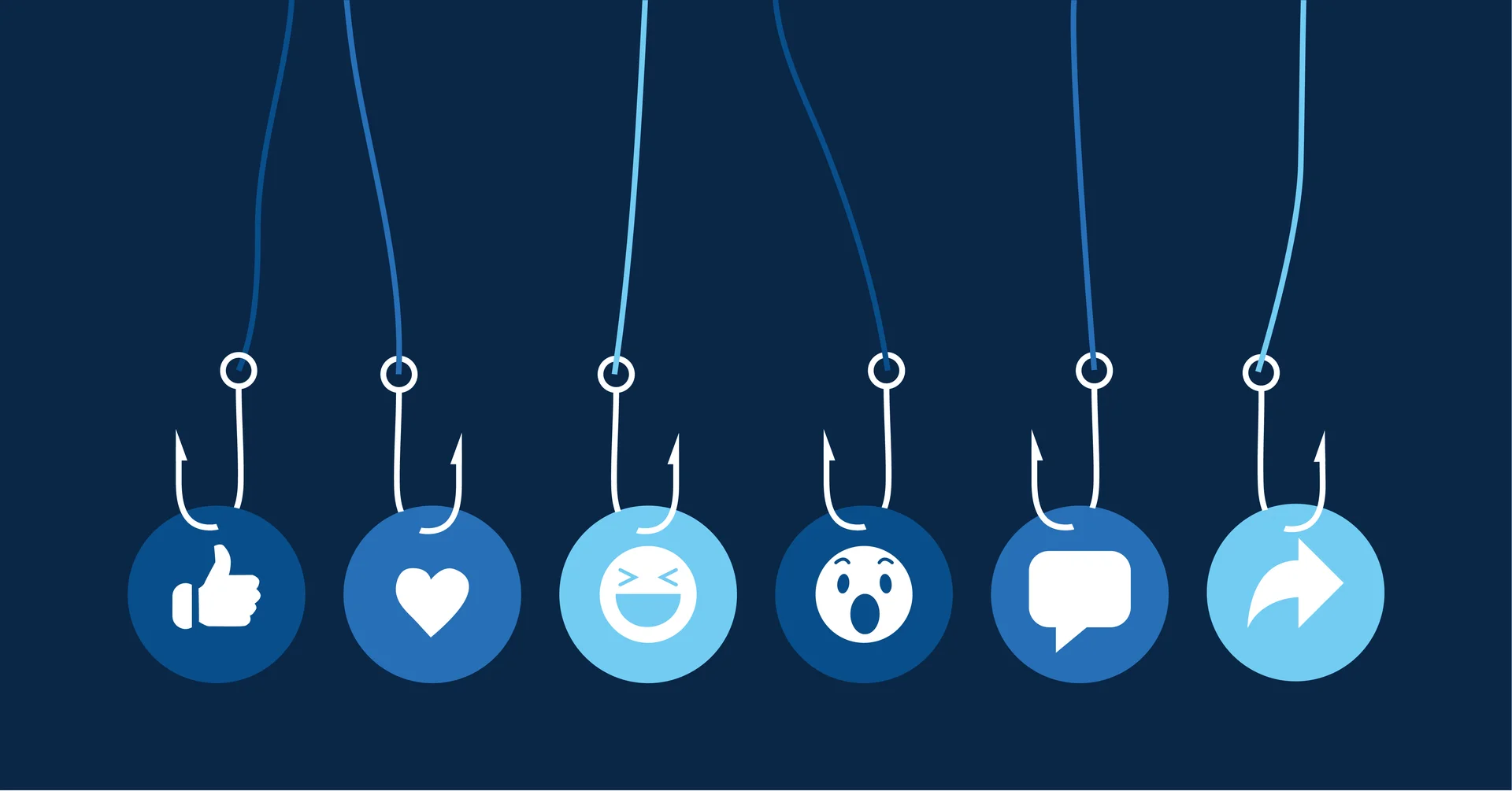
Engagement bait refers to a style of content creation where someone posts intentionally obtuse, confusing, or frustrating material to provoke reactions from viewers1. Unlike traditional clickbait that simply overpromises, engagement bait succeeds specifically by generating confused comments, angry responses, and shared frustration. The format typically features bizarre "life hacks" that make no practical sense, riddles with no actual solution, or cooking demonstrations using needlessly complicated methods1.
The strategy exploits social media algorithms that reward high engagement regardless of sentiment. When viewers comment asking "why would you do this?" or share the video to mock it, the algorithm interprets this as successful content and pushes it to more feeds. Creators rarely respond to questions or explain their methods, which only amplifies the confusion and drives further engagement1. Common forms include food preparation videos showing absurdly messy or illogical cooking techniques, fake life hacks that promise revelations but deliver nothing, and word puzzles designed to be impossible to solve.