Goth

1967subcultureclassic

Goth is a contemporary subculture built around gothic rock music, dark fashion, and aesthetics drawn from morbidity, Victorian romanticism, and religious symbolism. It emerged from the post-punk scene in the late 1970s and early 1980s before growing into a global style movement with a heavy online presence starting in the early 1990s.

Overview

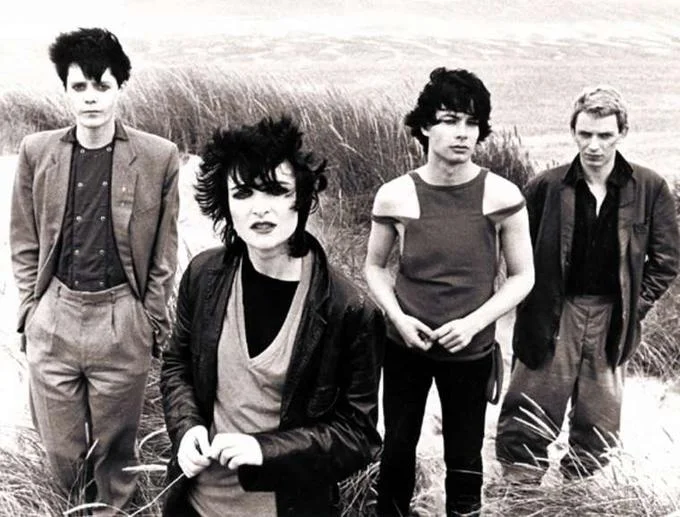
Goth is a subculture organized around gothic rock, a post-punk offshoot known for dark lyrical themes, keyboard-heavy arrangements, and a look that pulls from morbidity, literary romanticism, and religious or pagan symbolism1. The style is instantly recognizable for its sharp contrast between black clothing and pale skin, with visual cues borrowed from the Victorian, Edwardian, and Elizabethan eras alongside 18th-century European Romanticism1.

The scene is not just a music taste but a broader lifestyle covering fashion, visual art, and community identity. Fans often describe it as an aesthetic built on depth, introspection, and self-expression rather than shock value2. By the late 2000s, elements of goth fashion had been picked up by mainstream designers and haute couture houses, pushing the look well beyond its underground roots1.

Origin & Background

Platform
Print music criticism (origin) / Usenet and web forums (online spread)
Date
1967

The phrase "gothic rock" was first used in October 1967 by American music critic John Stickney, who applied it to the American psychedelic band The Doors in a concert review published in The Williams Record under the headline "Goth Is Their Thing"1. The label sat mostly unused until the late 1970s and early 1980s, when critics started attaching it to a wave of post-punk acts including Joy Division, Siouxsie and the Banshees, Magazine, Bauhaus, and The Cure1.

By the early 1980s, gothic rock had split off from punk as its own movement, defined by dark, keyboard-driven music paired with introspective and romantically morose lyrics1. The fashion side of the subculture grew out of this musical identity, mixing punk and mod influences with older historical dress to form the visual template still associated with goth today1.

How It Spread

Goth took root online very early. The Usenet newsgroup alt.gothic launched in early November 1991, followed by regional affiliates like uk.people.gothic and aus.culture.gothic, giving the scene one of the first dedicated internet communities for a music subculture1. As the World Wide Web grew through the late 1990s and early 2000s, dedicated gothic forums and community sites appeared, most notably VampireFreaks, which started as a music discussion board and grew into a social network with millions of members by 20111.

The 1990s also brought a stylistic split. Electronic music and dance culture fed into the rise of cybergoth, adding reflective and ultraviolet-sensitive clothing plus fluorescent makeup to the traditional palette1. Alternative-adult platforms like SuicideGirls, based in Los Angeles and owned by SG Services, Inc., helped push goth-adjacent looks into wider alternative culture through their photosets and model roster1.

Definitions kept shifting as the audience widened. Urban Dictionary entries from the community stress that goth covers everyone from listeners of Bauhaus and Sisters of Mercy to fans of industrial and black or death metal, and users have argued that being goth does not lock you into any single genre3. BuzzFeed later ran quiz-style content like "How Goth Are You" that treated the identity as something readers could measure or try on for size2.

How to Use This Meme

People typically express a goth identity through a mix of music taste, wardrobe, and visual style rather than a fixed template. Common conventions include black clothing with pale makeup, references to Victorian or Romantic-era dress, and playlists anchored by bands like Bauhaus, Siouxsie and the Banshees, The Cure, and Sisters of Mercy3. Cybergoth variants often add neon accents, UV-reactive fabrics, and club-oriented electronic music1.

Frequently Asked Questions