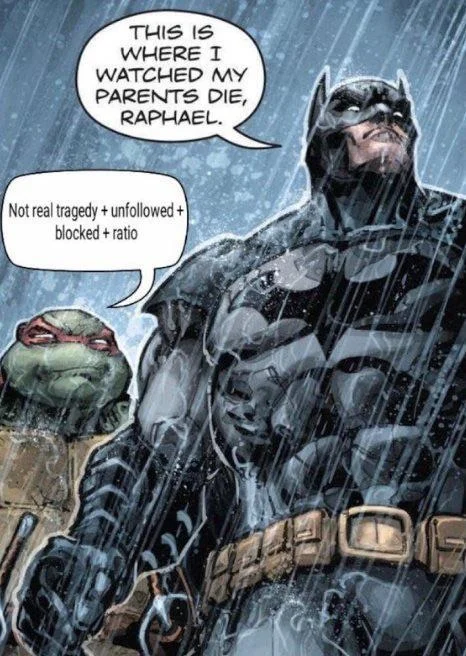
L + Ratio

2017Catchphrase / phrasal template / text-based insultsemi-active

Also known as: L + Ratio + You Fell Off · Ratio Chain

L + Ratio is a text-based insult format born on Twitter around 2017-2021, combining the slang term "L" (meaning loss or loser) with "ratio" (getting more likes on a reply than the original post) into an escalating chain of put-downs. The format typically stacks additional insults after "L + ratio," such as "you fell off," "nobody asked," and "don't care," creating an absurdist pile-on that became one of Twitter's most recognizable reply formats1. By early 2022, the meme had spread well beyond Twitter into Reddit, YouTube, and general internet slang2.

Overview

L + Ratio is a reply format where someone dismisses another person's opinion by stringing together a series of insults separated by plus signs. The "L" stands for "loss," borrowed from sports and gaming slang where taking an L means losing1. The "ratio" part refers to the Twitter practice of getting more engagement on your reply than the original post, which signals public disapproval of the original poster3.

What makes the format distinct is the escalation. After "L + ratio," users tack on additional burns: "you fell off," "nobody asked," "don't care," "didn't ask," "cry about it," "stay mad," and dozens of other phrases3. The chains can get absurdly long, which is part of the joke. The more ridiculous and unrelated the additions, the funnier it gets. The format works as both a genuine insult and an ironic parody of online arguments1.

The roots of L + Ratio trace back to Twitter's "ratio" culture, which started around early 20173. On Twitter, "ratioing" someone meant your reply got more likes or retweets than their original post, a public sign that people disagreed with the original take. Around the late 2010s, users started combining this with "L" and "W" slang (loss and win), leading to replies like "hold this L" or "get ratio'd"3.

The format also drew from the "Don't Care, Didn't Ask" insult template, where people would stack specific put-downs to personalize their dismissal of someone's post3. The fusion of these two traditions, ratio culture and stacked insults, created the L + Ratio chain format.

One of the earliest known examples of the full combo appeared on Reddit's r/OKbuddyretard on September 1, 2021, when user Awesometwosme posted a "This Is Where I Watched My Parents Die" meme that included an L + Ratio reference3. The post earned 6,100 upvotes over five months.

Origin & Background

Platform
Twitter (format origin), Reddit / YouTube (viral meme spread)
Creator
Unknown
Date
2017 (roots), 2021 (viral spread)

The roots of L + Ratio trace back to Twitter's "ratio" culture, which started around early 20173. On Twitter, "ratioing" someone meant your reply got more likes or retweets than their original post, a public sign that people disagreed with the original take. Around the late 2010s, users started combining this with "L" and "W" slang (loss and win), leading to replies like "hold this L" or "get ratio'd"3.

The format also drew from the "Don't Care, Didn't Ask" insult template, where people would stack specific put-downs to personalize their dismissal of someone's post3. The fusion of these two traditions, ratio culture and stacked insults, created the L + Ratio chain format.

One of the earliest known examples of the full combo appeared on Reddit's r/OKbuddyretard on September 1, 2021, when user Awesometwosme posted a "This Is Where I Watched My Parents Die" meme that included an L + Ratio reference3. The post earned 6,100 upvotes over five months.

How It Spread

The format picked up speed through late 2021. On October 17, 2021, Reddit user nonuntitled posted a Dogelore meme that used an extended chain of insults to ratio another character, labeling the whole exchange "Twitter"3. The post pulled in 4,100 upvotes.

On November 6, 2021, YouTuber Aztroisist uploaded a video titled "you fell off + ratio" where he rapidly fired off a long string of insults meant to be attached to a single reply3. The video laid out the framework for how future copypasta-style ratio chains would work, rattling off increasingly absurd additions to the base format.

By early 2022, the meme had gone fully absurdist. People started applying L + Ratio chains to completely random and irrelevant targets. On February 9, 2022, Funnyjunk user foreignsunset posted an L + Ratio directed at a samurai warrior illustration, showing how far the format had drifted from its original Twitter beef context3.

The phrase also entered casual spoken and texted slang. Urban Dictionary entries describe it as a sign of internet trash talk culture, with one definition calling it "the true signs of degeneracy on the internet"1. Another entry notes it can refer to "losing in an embarrassing fashion, usually a landslide loss"1.

Platforms

TwitterRedditDiscordTikTok

Timeline

2021

Phrase emerges on Twitter

2021-2023

Reaches peak usage across Twitter and gaming communities

2022-01-01

L + Ratio started spreading across social media platforms

2023+

Continues active usage though with some decline in novelty

2024-01-01

Brands and companies started using L + Ratio in marketing

2025-01-01

L + Ratio is still actively used and shared across platforms

View on Google Trends

How to Use This Meme

The L + Ratio format is simple to create and infinitely expandable. The typical approach:

1

Start with "L" to declare the target a loser.

2

Add "+ ratio" to invoke the concept of being publicly outvoted.

3

Stack additional insults separated by plus signs. Common additions include: "you fell off," "nobody asked," "don't care," "didn't ask," "cry about it," "stay mad," "touch grass," "bozo," and "no maidens."

4

The longer and more absurd the chain, the better. Serious use and ironic use are both common.

Create Your Own

Cultural Impact

L + Ratio became one of the defining reply formats of early 2020s Twitter culture. The phrase crossed over from Twitter into YouTube comments, Reddit threads, TikTok captions, and gaming chat3. Its influence is visible in how online arguments shifted from paragraph-long rebuttals to rapid-fire dismissal chains.

The format also fed into the broader "brain rot" and "Gen Z slang" discourse, often cited alongside terms like "no cap," "rizz," and "touch grass" as examples of how internet language keeps compressing complex insults into shorthand1. The ironic, self-aware quality of stacking absurd insults made it a favorite in communities like r/OKbuddyretard that thrive on layers of irony3.

Fun Facts

The format combines at least three separate meme traditions: Twitter ratios (2017), L/W slang (late 2010s), and the "Don't Care, Didn't Ask" insult chain3.

One of the earliest viral examples came from r/OKbuddyretard, a subreddit known for layers of ironic humor, which shaped the meme's self-aware tone3.

The meme works in both directions: it can be a genuine put-down or an obvious joke, and the ambiguity is part of what kept it alive1.

Urban Dictionary defines getting "L+ratioed" as "losing in an embarrassing fashion, usually a landslide loss," showing how the meme slang entered everyday internet vocabulary1.

Derivatives & Variations

Multiple Loss Format

Variations adding multiple L's for emphasis (e.g., 'LLLL + Ratio')

(2021)

Extended Dismissals

Adding other insults or losses after the L + Ratio

(2021)

Ironic Usage

Using the phrase ironically when actual ratios don't occur

(2021)

Frequently Asked Questions