Lonelygirl15
Published September 5, 2026
Lonelygirl15, or LG15, was a fictional YouTube vlog series that ran from June 2006 to August 2008, staged as the confessional video diary of a homeschooled 16-year-old named Bree. After a month of amateur sleuthing traced fan-baiting emails to a Hollywood talent agency, the show was outed as scripted fiction in September 2006, and the unmasking became one of the defining early YouTube stories about staged online authenticity.
Overview
Lonelygirl15, also known as LG15, was staged as the confessional vlog of a homeschooled 16-year-old named Bree Avery, whose religious parents kept her housebound and whose only outlet was a webcam pointed at her bedroom1. The videos leaned into familiar vlog aesthetics, tight bedroom framing, direct address to camera, a shy editor friend named Daniel (danielbeast), and slowly escalating personal drama, then pivoted into a full occult subplot involving a shadowy group called The Order that supposedly wanted Bree for religious rituals, with one video showing a shrine featuring a framed portrait of Aleister Crowley that pushed some viewers to brand her a Satanist5.
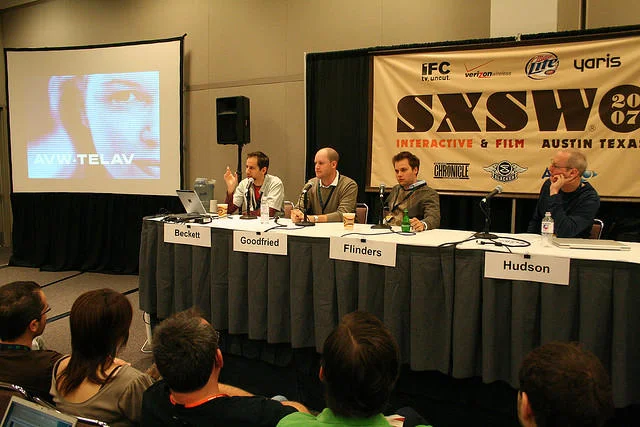
What set LG15 apart from other early YouTube vlogs was the alternate reality game bolted onto the fiction. Later episodes hid codes that dedicated fans decoded to unlock phone numbers, forum drops, and offline meetups, turning viewers into active players2. The lonelygirl15 channel briefly held the site's top subscriber slot in early 2007, hitting roughly 88,000 subscribers by the time the show's creators presented at SXSW that March2. The account also drew press attention that felt outsized for a homemade webcam project, with the New York Times covering Bree as early as July 2006 and calling for MTV Overdrive to green-light her as an official series3.
Origin & Background
How It Spread
How to Use This Meme
Lonelygirl15 was not a copy-paste image template, it was a format others later borrowed. Creators wanting to riff on the LG15 setup typically post first-person webcam confessionals from a fictional character with a cryptic backstory, then drop hidden codes, alternate accounts for supporting characters, and forum breadcrumbs to bait viewers into building a fan wiki around the mystery. The show's own creators framed this as a two-way art form, telling fans on the reveal message that they were building a story that could 'only be told using the medium of video blogs and the distribution power of the internet'7.
Cultural Impact
Fun Facts
Two desk lamps (one broken), an open window, and a $130 camera made up the entire production kit, according to co-creator Mesh Flinders4.
Fan sleuths used tracking software to trace lonelygirl15 emails back to Creative Artists Agency's Beverly Hills offices, a big early clue that the show was industry-connected1.
During SXSW 2007, Miles Beckett uploaded a live episode on stage and got nine comments before the page even finished loading2.
The Chicago Tribune called Bree 'the doe-eyed coquette' in fall 2006 coverage and reported that individual episode views were hitting 500,0008.
New York Times writer Virginia Heffernan compared the Bree saga to 'the Dreyfus Affair of our generation' in a 2006 blog post, per a same-summer roundup of media coverage8.
Frequently Asked Questions
References (8)
- 1
- 2
- 3
- 4
- 5
- 6
- 7
- 8