Mad

1978viral videoclassic

Published August 12, 2026

MAD videos are Japanese fan-made parody remixes that mash up anime, sports footage, and pop culture clips with rearranged audio tracks. The format started as underground cassette tape trading among Osaka University students around 1978 and hit the internet through Nico Nico Douga in the mid-2000s.

Overview

MAD (occasionally written as M@D) is a Japanese term for fan-edited parody videos that mash up anime, manga, and pop culture footage with rearranged audio tracks4. Clips run anywhere from a few seconds to several minutes, and some skip music entirely for comedic timing2. Fans label these 'creative-secondary' works because they build their own plots rather than staying inside the source canon3.

The format is a core piece of Japanese online culture, with Nico Nico Douga giving remix authors a central hub starting in the mid-2000s1. MAD source material ranges from anime openings and video game audio to sports commentary, TV commercials, and Western action films.

Origin & Background

Platform
Cassette tapes (1978) / Nico Nico Douga (2000s viral spread)
Date
1978

MAD culture predates the internet by about two decades. Alumni from Osaka University of Arts & Music are credited as the earliest pioneers, working around 1978 on early cassettes titled 'Kichigai Tape' (translated from Japanese: 'Tape of Madness'), which was later shortened and Anglicized to MAD3. Through the 1980s, Japanese university students traded these tapes hand-to-hand, layering news clips, TV audio, and anime footage into mashups before the practice moved online2.

How It Spread

Nico Nico Douga became the epicenter of MAD uploads after its 2006 launch, pushing the format into mainstream Japanese internet consciousness by 20071. American bodybuilder Billy Herrington turned into a beloved MAD subject that year, with clips from his adult films remixed as bait-and-switch videos and the nickname 'Aniki' (Big Brother) attached to him across 2channel and NND3.

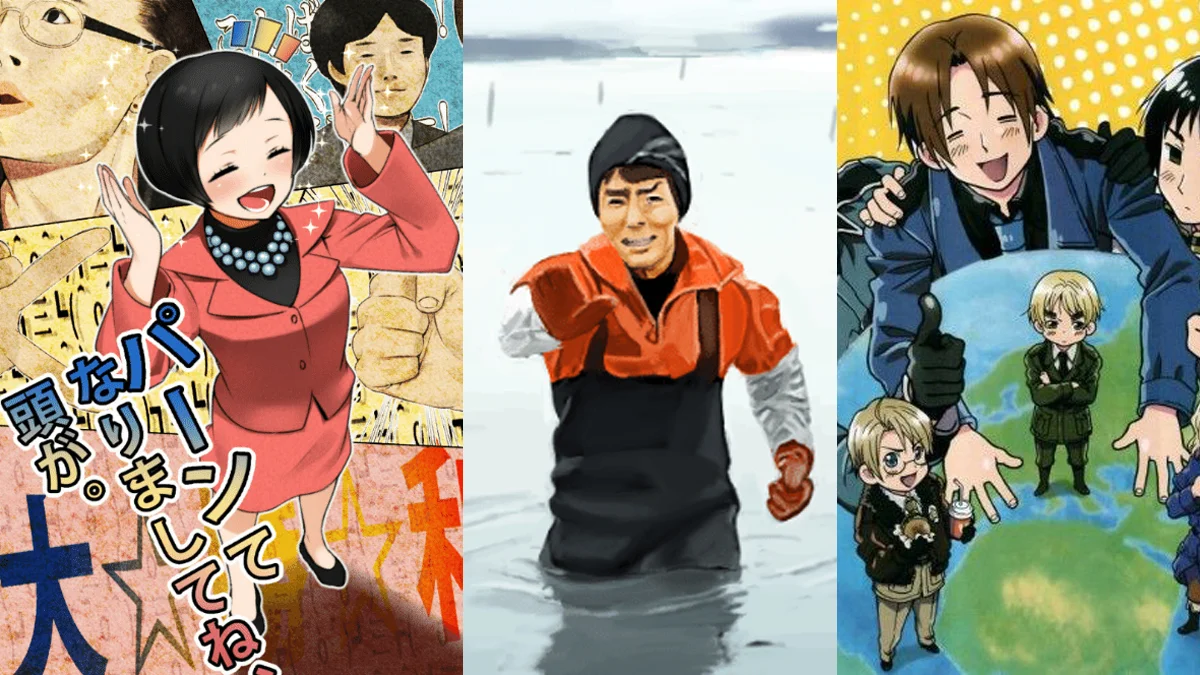
Other recurring MAD targets included retired tennis pro Shuzo Matsuoka, whose motivational TV clips became a NND staple starting in 2008, and the 'Crazy Live Report' series, which pulled from a 2003 Guilty Gear XX tournament commentary and hit NND in 20071. Baseball star Ichiro Suzuki, comedian Masami Hisamoto, and the 'Bittan Bittan' hand-drawn animation series built around Super Mario RPG audio all fueled long-running MAD threads into the early 2010s.

On September 4, 2010, the term 'MAD Movie' was added to Urban Dictionary by user Pope Pius IX, marking the format's crossover into English-speaking meme awareness4.

How to Use This Meme

A typical MAD is built by cutting source footage (anime, live action, sports, film scenes) and syncing it to a rearranged audio track. Common conventions include using J-pop songs, TV commercial voiceovers, or a memorable one-liner as the audio spine, then editing visuals to match the beat or punchline. Comedic timing and unexpected pairings of unrelated sources are the main tools, and finished pieces mostly live on Nico Nico Douga or YouTube1.

Frequently Asked Questions