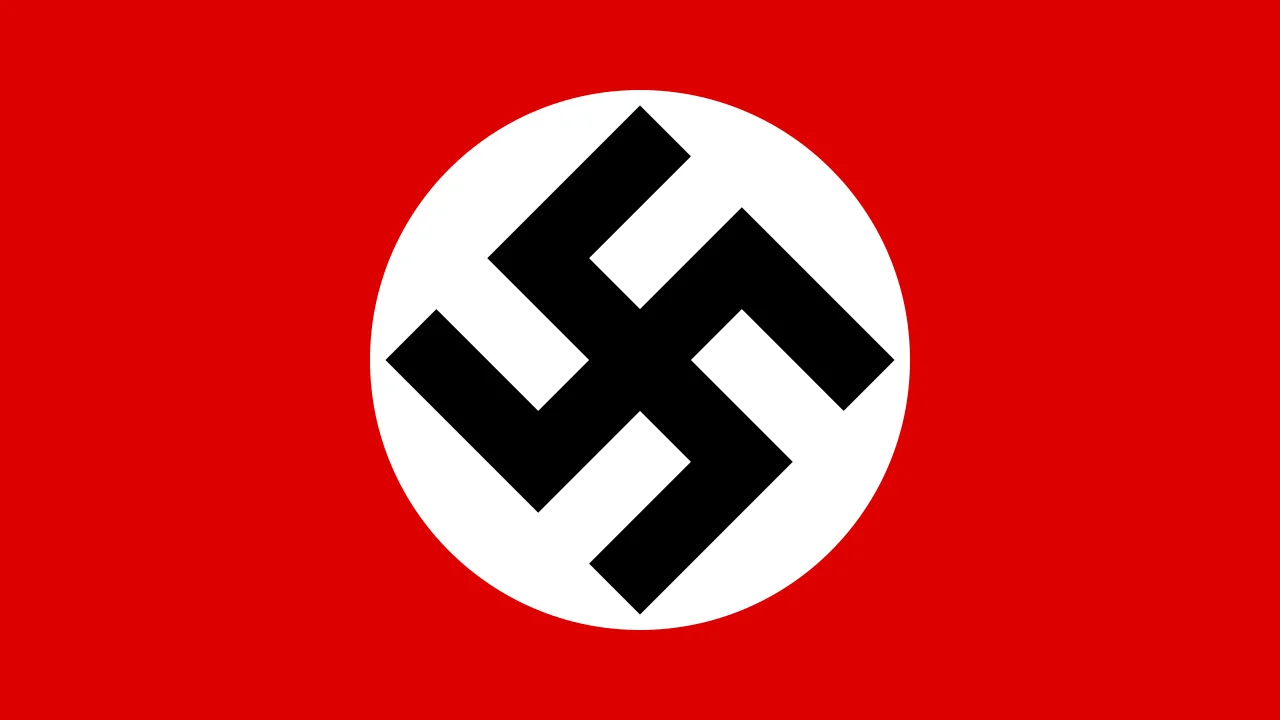
Nazism
Published September 7, 2026
Nazism, also called Nationalsozialismus or National Socialism, was the totalitarian far-right ideology built around Adolf Hitler and the German Nazi Party in the 1920s. Rooted in aggressive nationalism, antisemitism, and racial supremacy, it powered the Third Reich, World War II, and the Holocaust, and its post-war descendants live on as Neo-Nazism.
Overview
On the political spectrum, Nazism openly rejected liberalism, socialism, communism, and every form of anarchy, defining itself against the mainstream political programs of its era3. Its main tenets combined aggressive nationalism, racial and ethnic purity, social Darwinism, antisemitism, and the Organic Theory of the State, which treats the nation as one body ruled from the top down1. The doctrine also shared major traits with fascism, the other extreme movement that grew across Europe during the same interwar years1.
In practice, the ideology organized political life around one party and one leader, and it placed a mythologized 'Aryan' identity above all others, driving state persecution, concentration camps, and the industrial genocide of the Holocaust4. Adherence to Nazi doctrine after the collapse of the Third Reich is called Neo-Nazism, and it is treated as a fringe extremist position rather than a governing ideology3.