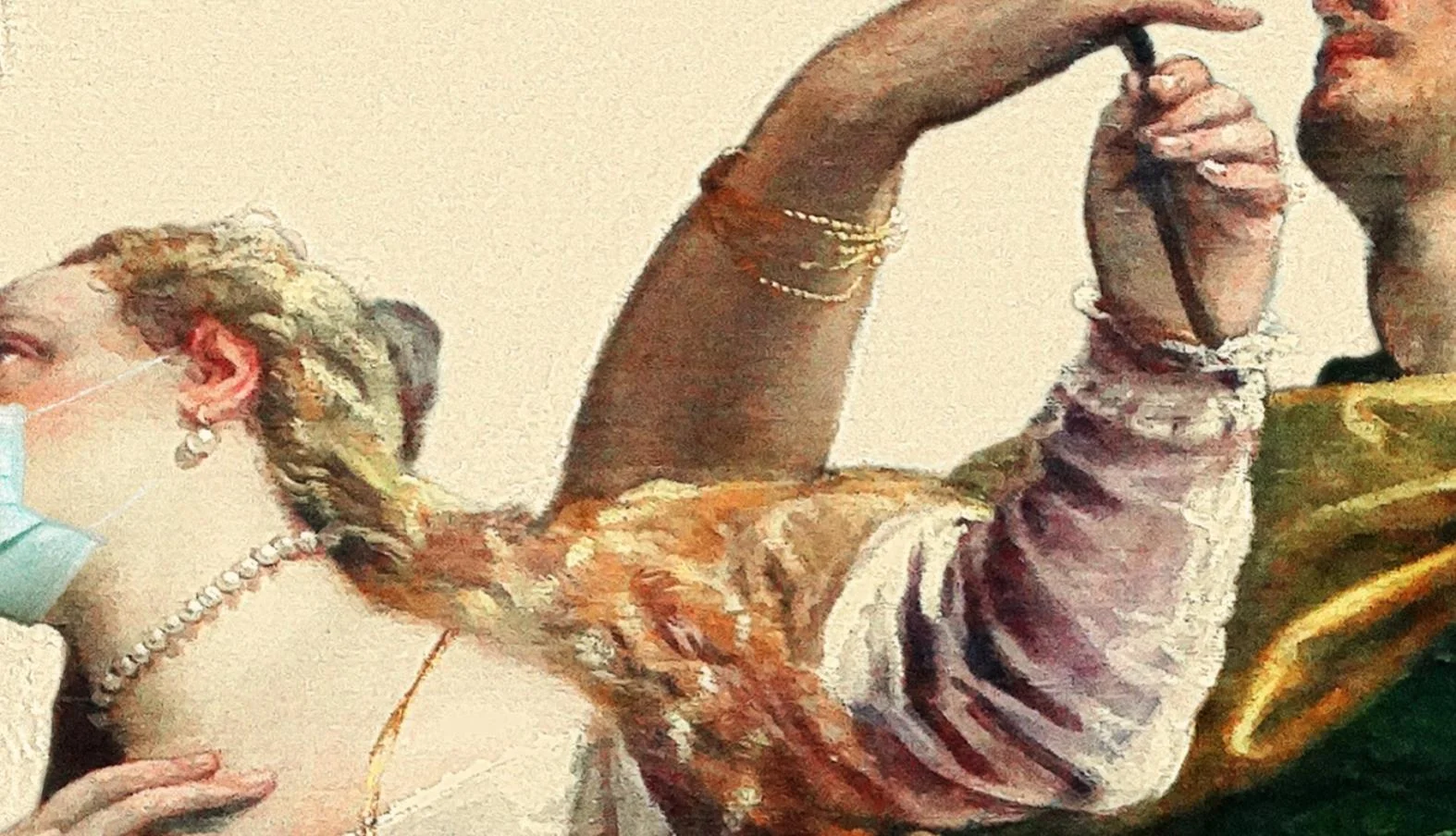
Pandemic Amnesty
Published August 14, 2026
Pandemic Amnesty is a 2022 catchphrase from Emily Oster's Atlantic essay calling for forgiveness of early-COVID mistakes. The article went viral for the wrong reasons, drawing fast pushback on TikTok and Twitter from anti-vaccine and conservative users who read it as a bid to sidestep accountability.
Overview
The term "Pandemic Amnesty" comes from an essay Emily Oster published in The Atlantic on October 31, 2022, in which the Brown University economist called on Americans to forgive one another for actions and statements made early in the COVID-19 pandemic1. The Atlantic's own Twitter post announcing the essay was ratioed almost immediately, pulling around 180 quote tweets against just 41 likes in its first three days3. Oster framed most pandemic-era mistakes as good-faith errors made under uncertainty, a framing that turned into a lightning rod once it hit social media1. Within days the phrase became a full-blown argument online, with critics treating it as a demand that lockdown skeptics and the unvaccinated drop their grievances5.
Gallery
Origin & Background
How It Spread
How to Use This Meme
The exploitable version of the meme treats The Atlantic's headline as a template, with users swapping in whatever pandemic-era decision they still object to, like mask mandates, school closures, or vaccine requirements, in place of the word "pandemic"7. Posts often pair the edited headline with a screenshot of the original Atlantic tweet or the Fox News segment for context2.
Frequently Asked Questions
References (9)
- 1
- 2
- 3
- 4
- 5
- 6
- 7
- 8
- 9