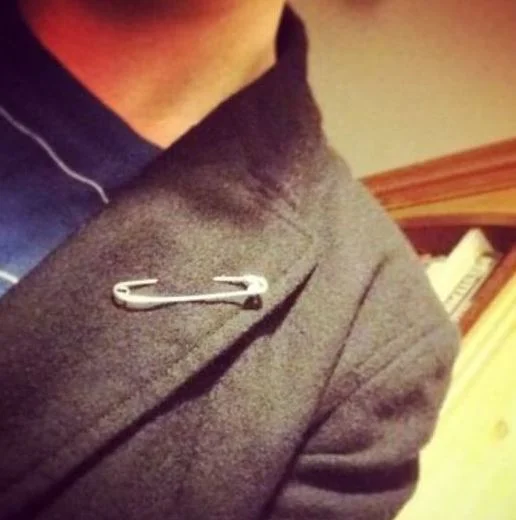
#SafetyPin

2016activist campaigndead

Published September 26, 2026

#SafetyPin / Safety Pin Movement was a 2016 activist campaign urging people to wear an empty safety pin as a visible sign of solidarity with immigrants and other targets of post-Brexit harassment. Kicked off by a British Twitter user days after the EU referendum, the hashtag returned in November when Americans pinned their coats in response to Donald Trump's election, sparking one of the year's loudest debates over whether visible allyship counted as real support or empty virtue signalling.

Overview

The #SafetyPin / Safety Pin Movement works as a wearable signal. An unhooked safety pin on a jacket, shirt or bag identifies the wearer as someone safe for immigrants, Muslims, people of color and other targets of post-Brexit and post-election harassment to approach on public transport or the street1. There is no group to join, no donation to make and no protest to attend, just an everyday fastener repurposed into a badge2.

Backlash formed almost as fast as the campaign spread. Critics called it a low-cost gesture that let white liberals feel active without doing any real work against racism or the far right5. Writer Morgan Jerkins tweeted that she would rather people 'work and educate yourself and your loved ones on white supremacy' than pin their coats8. Days later, users on 4chan started drafting plans to wear the pins themselves alongside white nationalist imagery to poison the symbol6.

Origin & Background

Platform
Twitter (UK Brexit launch) / Twitter (US Trump-era revival)
Creator
@cheeahs
Date
2016

On June 26, 2016, two days after the United Kingdom voted to leave the European Union, Twitter user @cheeahs proposed that opponents of the referendum wear an empty safety pin to show they were a safe person to sit next to on a bus or talk with on the street1. The idea landed against a sharp uptick in reported harassment: the National Police Chiefs' Council recorded a 57% rise in hate crime reports between the Thursday of the vote and the following Sunday compared with the same days a month earlier1.

UK outlets picked the hashtag up within days, with Indy100 running an explainer on the pin as a solidarity marker for the country's immigrant population2 and The Guardian tracing safety pins back to the Roman fibula while noting the punk and Versace afterlives of the design1.

How It Spread

Coverage crossed the Atlantic in late June, with Think Progress framing the pin as a post-Brexit solidarity signal for immigrants4. The campaign quieted through the summer, then reignited on November 10, 2016, the day after Donald Trump's presidential win, when American users pulled the same idea onto their coats3. On November 11, Rogue One screenwriter Chris Weitz posted the Star Wars Rebellion insignia paired with a safety pin and the line 'Star Wars against hate. Spread it,' and actor Patrick Stewart shared a photo of himself wearing one3. Confused onlookers filed a /r/OutOfTheLoop thread that same day asking what the pins meant7.

Pushback arrived within 24 hours. Morgan Jerkins criticized the pins as a substitute for anti-racist work on November 118. The next day, The Huffington Post published 'Dear White People, Your Safety Pins Are Embarrassing,' arguing the gesture cost nothing and helped no one5. A 4chan thread on November 12 floated a plan to wear pins alongside white supremacist iconography to discredit the symbol, and on November 14 The Daily Dot reported that some trolls had done exactly that6.

Frequently Asked Questions